


Could Distributed Peer Review Better Decide Grant Funding?
The landscape of academic grant funding is notoriously competitive and plagued by lengthy, bureaucratic processes, exacerbated by difficulties in finding willing reviewers. Distributed […]

The New Scarlet Letter? Negotiating the U.S. Labor Market with a Criminal Record. By Steven Raphael. Kalamazoo, MI: W.E. Upjohn Institute Press, […]
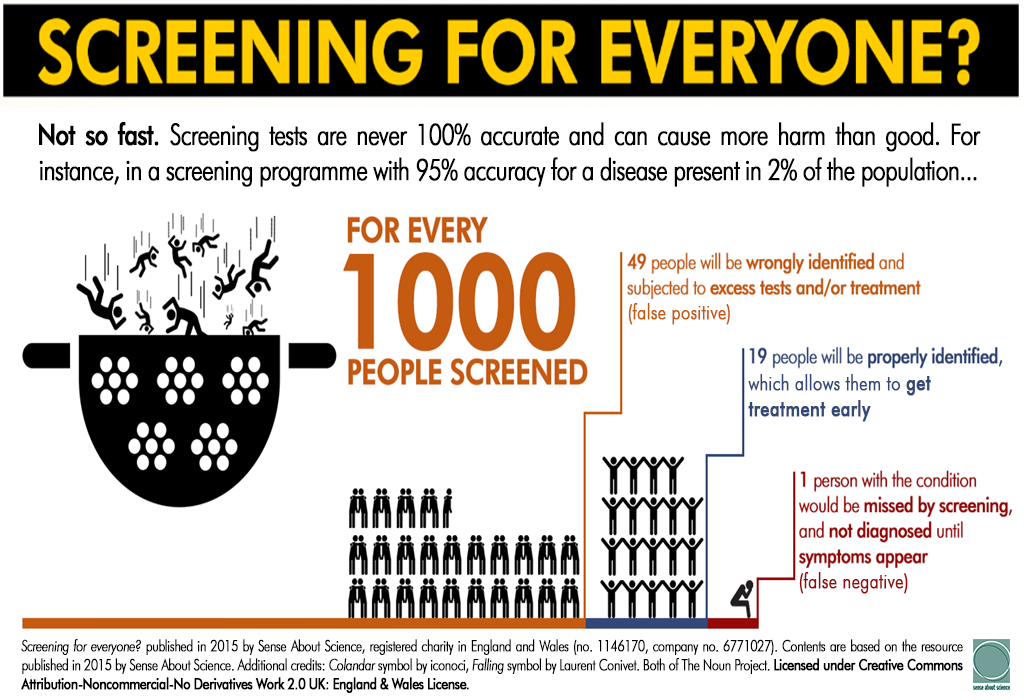
Misconceptions about how screening works, its limitations and possible harms are still being perpetuated by media stories and high profile cases, such […]
[We’re pleased to welcome Cedric E. Dawkins of Dalhousie University. Dr. Dawkins recently collaborated with Dima Jamali, Charlotte Karam, Lianlian Lin, and […]

The following articles are drawn from SAGE Insight, which spotlights research published in SAGE’s more than 800 journals. The articles linked below are free […]

In this Social Science Bites podcast, social theorist Steven Lukes tells interviewer Nigel Warburton how Émile Durkheim’s exploration of issues like labor, suicide and religion proved intriguing to a young academic and enduring for an established one.

A survey of MPs’ attitudes has found unexpected support for using randomised controlled trials (RCTs) to test social policy. It also found […]
The following articles are drawn from SAGE Insight, which spotlights research published in SAGE’s more than 800 journals. The articles linked below are free […]
The following articles are drawn from SAGE Insight, which spotlights research published in SAGE’s more than 800 journals. The articles linked below are free […]

The Royal Swedish Academy of Sciences has awarded this year’s Nobel Prize in Economic Sciences to the American economists Robert E. Hall […] Four Americans working in the social and behavioral sciences are among the 20 people named MacArthur Fellows this year. Recipients may be […] Euan Adie, the founder of Altmetric and later of Overton, discusses the reasons the led to Overton’s focus on showing researchers how […] The following is an adapted extract from The Cultural Industries, fifth edition, by David Hesmondhalgh. The increasing presence of information technology (IT) […] Developers of AI data centers have a public trust problem. According to multiple surveys, a majority of Americans say they would oppose […] I was adding some final flourishes on the topic of ‘iatrocracy’ to my forthcoming book with Natewindé Sawadogo – Sickness and Social […]
EXPLORE
Impact

Economic Peaks, Troughs and This Year’s Nobelists in Economics
READ MORE

Four From Social Science World Receive 2026 MacArthur Fellowships
READ MORE
Quick Insight: Euan Adie on Getting Academics Credit for Their Impact
READ MORE
Innovation
IT Giants and Their Operations: Should We Be Concerned?
READ MORE

What We Miss When We Study Public Trust with Surveys Alone
READ MORE

AI and ‘Iatrocracy’ – A Cautionary Tale
READ MORE