
Could Distributed Peer Review Better Decide Grant Funding?
The landscape of academic grant funding is notoriously competitive and plagued by lengthy, bureaucratic processes, exacerbated by difficulties in finding willing reviewers. Distributed […]
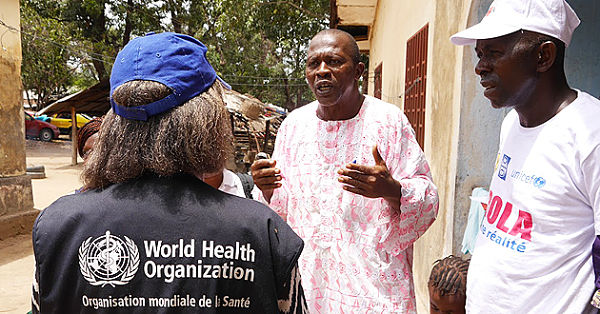
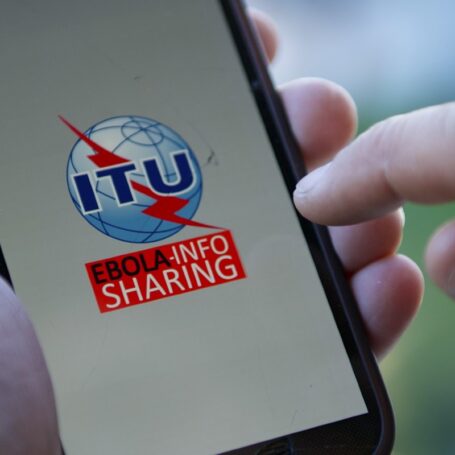
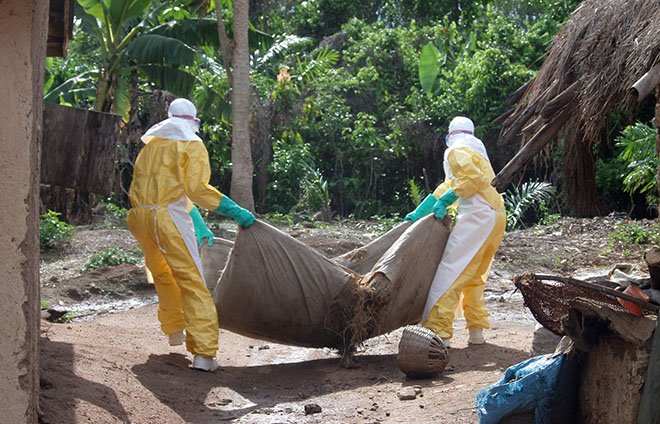
A new report from the World Health Organization on the response to the African Ebola outbreak backs up what our Robert Dingwall has been writing all along — by downplaying social science lives have been lost. The question now is whether a new WHO can improve.
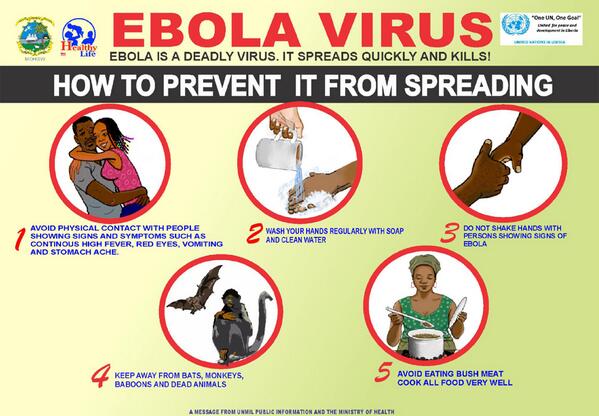
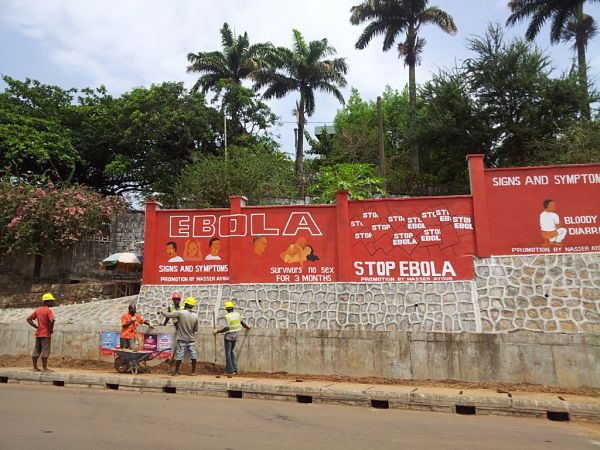
The Ebola outbreak in West Africa reminds us of a key lesson in public health, notes Robert Dingwall: Biomedical solutions will always come late, while social science-based interventions can break the cycle much sooner.
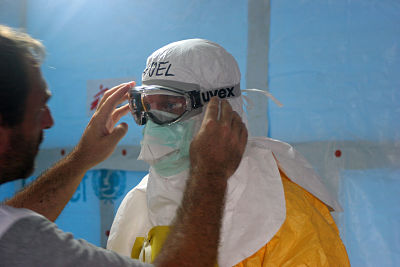
There is a genuine cost from ignoring lessons from social science in the fight against Ebola. What’s even sadder — these lessons were taught in blood three decades ago in the fights against AIDS. Are we ready for the next malady?
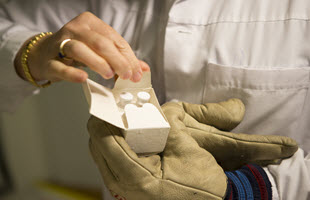
WHO is supposed to be a global health organization, not a global biomedical organization. The Ebola crisis, argues Robert Dingwall, reveals the extent to which it has lost sight of this mission.
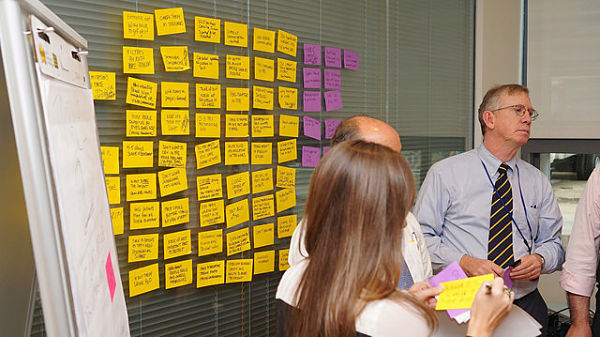
The National Science Foundation is calling for some shovel-ready social science research to help combat the current crises circling around the Ebola explosion. Social science has some experiences in the field already.
Affective judgments lead us to focus on individual tragedies while blinding us to large-scale tragedy. How can knowing this help us craft the best responses?

Four Americans working in the social and behavioral sciences are among the 20 people named MacArthur Fellows this year. Recipients may be […] Euan Adie, the founder of Altmetric and later of Overton, discusses the reasons the led to Overton’s focus on showing researchers how […] Here’s a couple of quick questions for you. What is the smallest of the eight discipline-based directorates at the United States’ National […] I was adding some final flourishes on the topic of ‘iatrocracy’ to my forthcoming book with Natewindé Sawadogo – Sickness and Social […] How is AI changing the shape and space of higher education? Critical thinking continues to rank highly among key skills and attributes […] My colleagues and I recently spoke with a group of talented, interesting students who just completed their first year of college about […]
EXPLORE
Impact
Four From Social Science World Receive 2026 MacArthur Fellowships
READ MORE

Quick Insight: Euan Adie on Getting Academics Credit for Their Impact
READ MORE

NSF’s Embattled SBE Directorate Shown as Agency’s Policy Heavyweight
READ MORE
Innovation

AI and ‘Iatrocracy’ – A Cautionary Tale
READ MORE

The Critical Student: How GenAI Reshapes Critical Skills and Higher Education’s Role Preparing Students For It
READ MORE

AI Doesn’t Drive Student Cheating. It Just Hitches a Ride
READ MORE