


Could Distributed Peer Review Better Decide Grant Funding?
The landscape of academic grant funding is notoriously competitive and plagued by lengthy, bureaucratic processes, exacerbated by difficulties in finding willing reviewers. Distributed […]
As political polarization deepens across advanced democracies, disputes over election fraud allegations have become commonplace. And analysis by academic researchers and other experts into alleged fraud can have substantial influence.
Just over a month ago in November, Michelle Wu was sworn in as the first woman and person of color elected as Boston’s mayor. […]
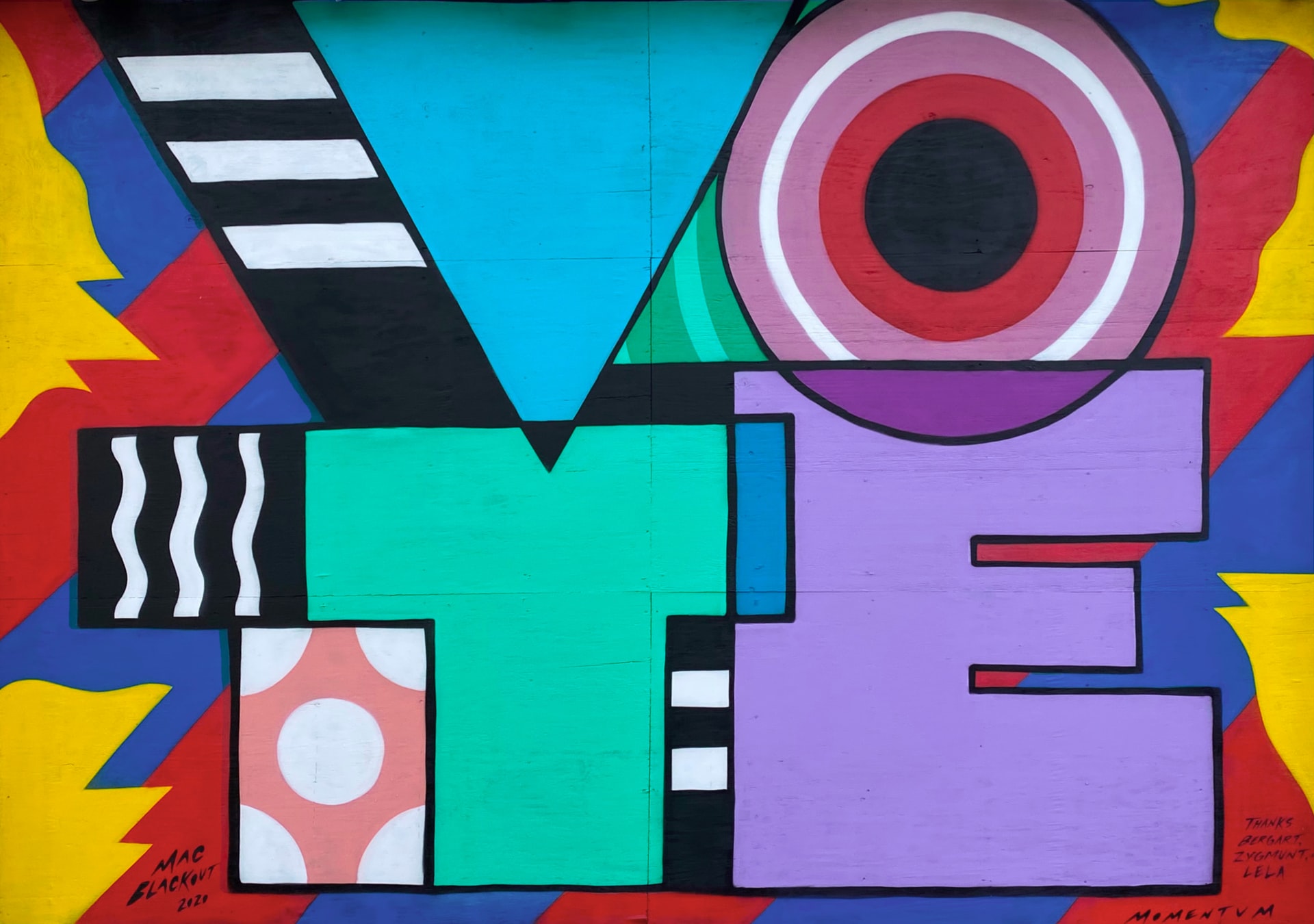
When Americans vote this fall, the candidates on their ballots will not reflect the diversity of the United States. Despite recent gains, […]
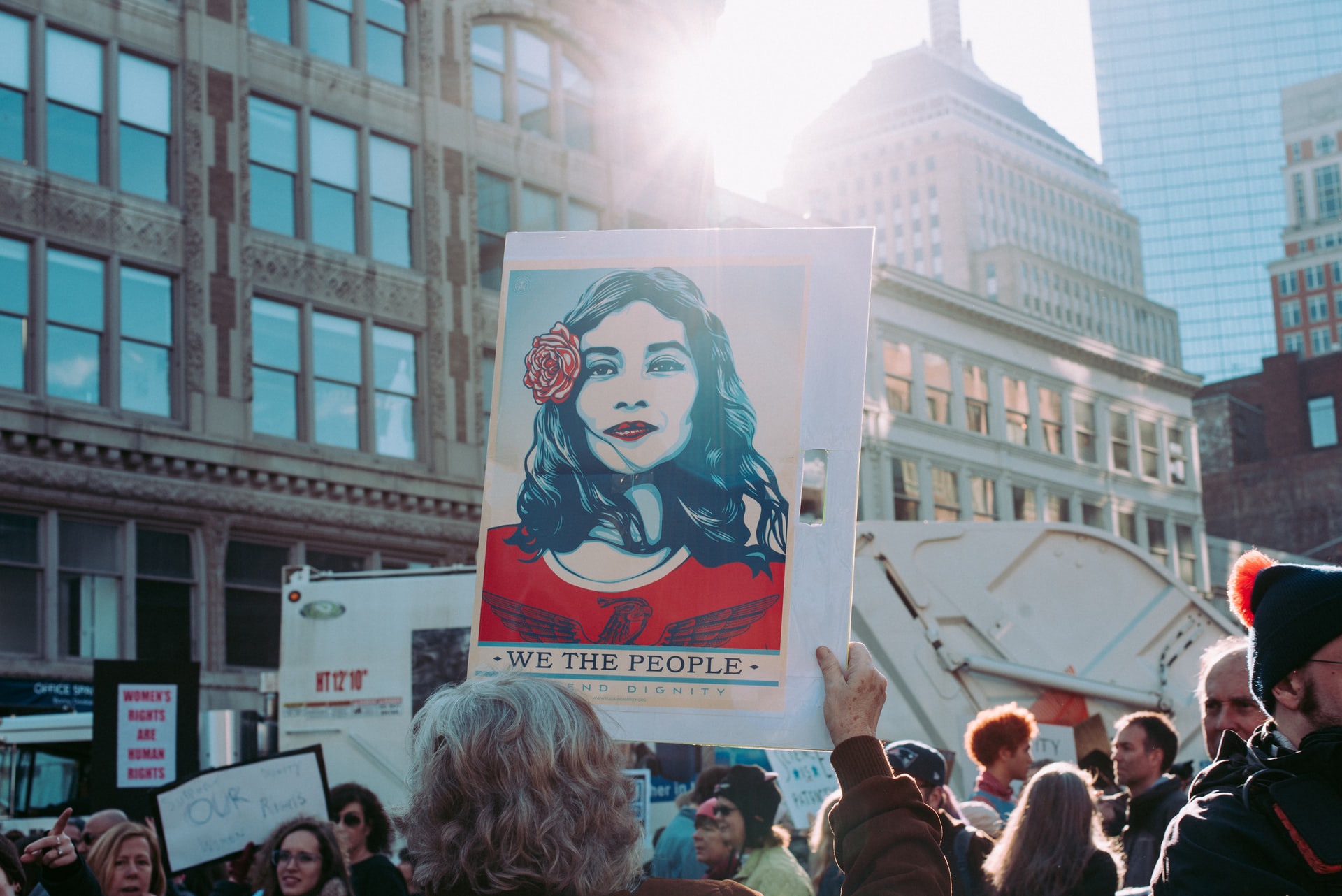
Fifty years after Ruth Bader Ginsberg worked to secure constitutional equality for women, misogyny is still alive and well in the American […]
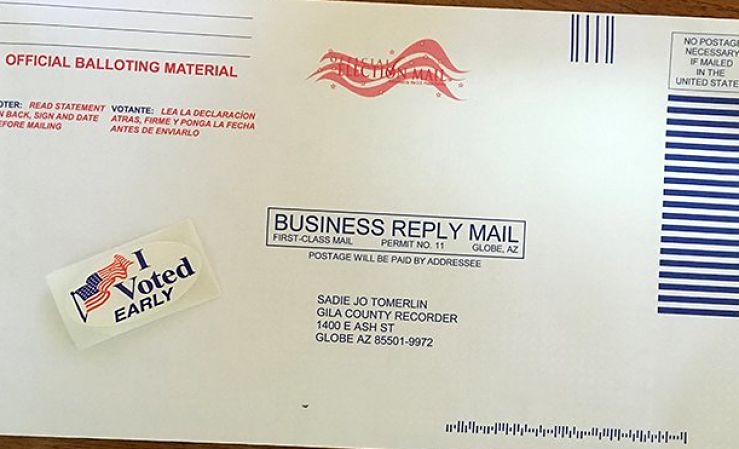
Evidence reviewed by a National Association of Public Administration working group finds that voting by mail is rarely subject to fraud, does not give an advantage to one political party over another and can in fact inspire public confidence in the voting process, if done properly.
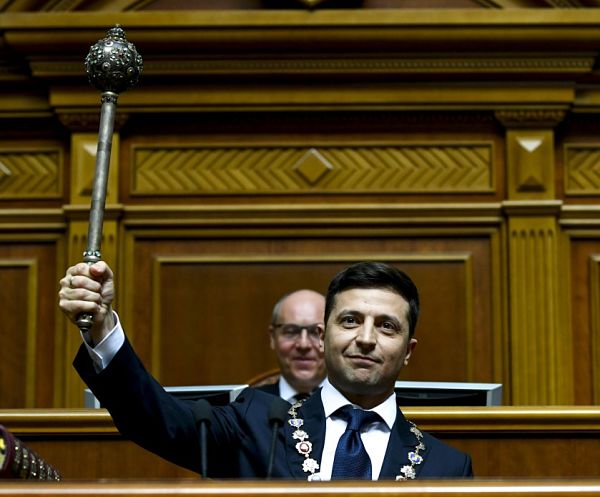
David Canter considers the impact of changing ways in which politics is communicated. In the age of the internet direct encouragement of what the audience is to feel, rather than detailed exposition of policy and achievements, is the order of the day.
At SAGE, we believe that education and engaged scholarship make up the foundation of a healthy society. So for this election season, we challenge you to bring the election into your classrooms. For the next few days, we will be providing you with new content to help facilitate conversation within the classroom.

This year, we’re watching an unprecedented tsunami of elections. As countries across the world rise in prominence, and the U.S. role as global enforcer wanes, these elections are increasingly important.
Jürgen Habermas, a globally known social theorist whose explorations of democracy, validity and communication have gained new prominence in the current moment, […] People often see science as a world apart: cool, rational and untouched by persuasion or performance. In this view, scientists simply discover […] “Research impact” means different things to different people. Some refer broadly to how science changes behaviors, beliefs, or practices outside academic institutions. […] David Canter considers informal places where people socialize, suggesting they’re an arena ChatGPT and other LLMs can’no’t replicate. As someone who lives […] It’s become cliche since Clive Humbly coined it in 2006, but data is indeed the new oil. It’s a mantra repeated by […] In September 2025, The Guardian reported about a lawyer in Australia having faced sanctions due to false citations. These citations were not […]
EXPLORE
Impact

Jürgen Habermas, 1929-2026: Exponent of the Public Sphere
READ MORE

Scientists Should Keep in Mind It’s Called the ‘Marketplace of Ideas’ for a Reason
READ MORE

Survey Finds Social Scientists Feel Unsupported in Seeking Societal Impact
READ MORE
Innovation

Reaching Parts to Which AI Has No Access
READ MORE

Andrea Medina-Smith on Making Research Data More FAIR
READ MORE

A Status Check on Hallucinated Case Law Incidents
READ MORE