
Could Distributed Peer Review Better Decide Grant Funding?
The landscape of academic grant funding is notoriously competitive and plagued by lengthy, bureaucratic processes, exacerbated by difficulties in finding willing reviewers. Distributed […]
With climate change disasters, as with infectious diseases, rapid response time and global coordination are of the essence. At this stage in the COVID-19 situation, there are three primary lessons for a climate-changing future: the immense challenge of global coordination during a crisis, the potential for authoritarian emergency responses, and the spiraling danger of compounding shocks.
The World Health Organization’s Outbreak Communications Planning Guide suggests behavior changes can reduce the spread or a viral disease by as much as 80 percent. This can mean the difference between healthcare sectors being overwhelmed or continuing to function.
After two decades that have almost been defined by wave upon wave of crises, argues Matthew Flinders, it’s possible that the public has simply become immune to warnings from politicians and habitually distrustful of their claims.

A lot of people have been posting on social media saying they have been feeling tired earlier than usual while on lockdown. […]
People have long noticed, however, that some peculiar things happen in videoconferencing. Norm Friesen, and educational technology researcher, has explored this and presents four odd things that happen when you’re engaged in a videoconference.

Yes, there has been a mad rush to get classes online. If you’ve found yourself having to study your university course online, here are some ways to ensure you’re ready for your virtual experience.
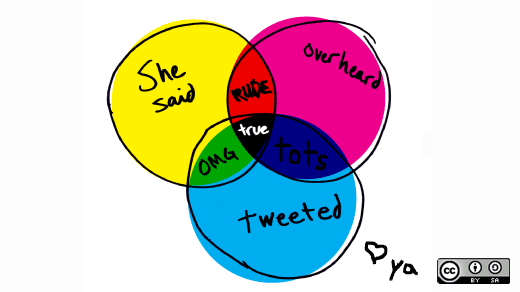
The answer for the kind of panicked flurry in reasoning we’re seeing during the COVID-19 pandemic may lie in a field of critical thinking called vice epistemology. This theory argues our thinking habits and intellectual character traits cause poor reasoning.
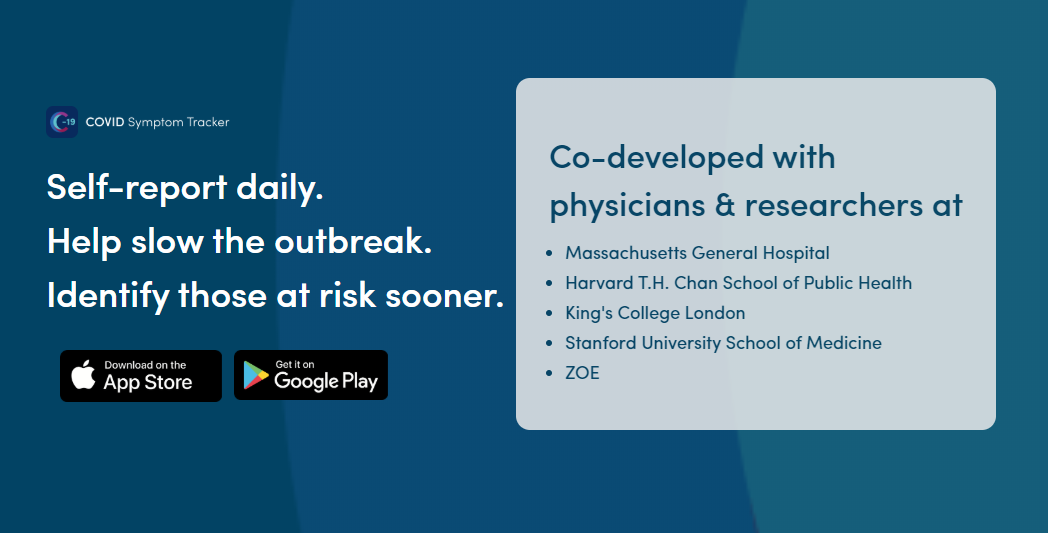
“Rather than sending out thousands of online or paper questionnaires, we teamed up with health data science company ZOE to develop a simple symptom-monitoring app called COVIDradar. The app was made from scratch in about four days and would normally take four months. Volunteer citizen scientists use it to report their health status daily and note the appearance of any new symptoms. Once we realized that there was nothing similar available in the UK to monitor symptoms on a population-wide level, we decided to make the app freely available to all.”

The Royal Swedish Academy of Sciences has awarded this year’s Nobel Prize in Economic Sciences to the American economists Robert E. Hall […] Four Americans working in the social and behavioral sciences are among the 20 people named MacArthur Fellows this year. Recipients may be […] Euan Adie, the founder of Altmetric and later of Overton, discusses the reasons the led to Overton’s focus on showing researchers how […] The following is an adapted extract from The Cultural Industries, fifth edition, by David Hesmondhalgh. The increasing presence of information technology (IT) […] Developers of AI data centers have a public trust problem. According to multiple surveys, a majority of Americans say they would oppose […] I was adding some final flourishes on the topic of ‘iatrocracy’ to my forthcoming book with Natewindé Sawadogo – Sickness and Social […]
EXPLORE
Impact
Economic Peaks, Troughs and This Year’s Nobelists in Economics
READ MORE
Four From Social Science World Receive 2026 MacArthur Fellowships
READ MORE

Quick Insight: Euan Adie on Getting Academics Credit for Their Impact
READ MORE
Innovation

IT Giants and Their Operations: Should We Be Concerned?
READ MORE

What We Miss When We Study Public Trust with Surveys Alone
READ MORE

AI and ‘Iatrocracy’ – A Cautionary Tale
READ MORE