


Could Distributed Peer Review Better Decide Grant Funding?
The landscape of academic grant funding is notoriously competitive and plagued by lengthy, bureaucratic processes, exacerbated by difficulties in finding willing reviewers. Distributed […]
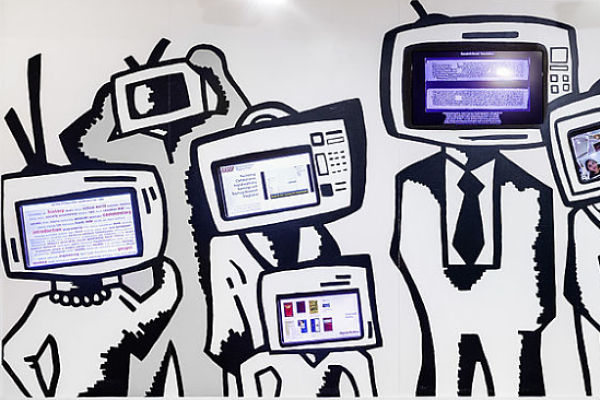
The lockdown prompted by the COVID pandemic presents opportunities to rethink how academic practices take place in virtual environments. Mark Carrigan argues that if adopted uncritically, they could exacerbate existing inequalities in the use of digital technologies and open up new areas of academic life to surveillance and control.
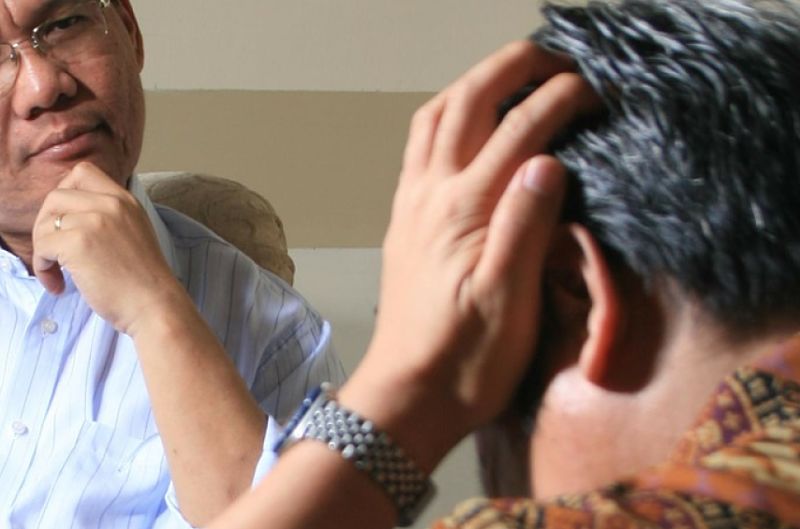
The appropriate training of human service professionals in digital platforms — entailing retrospection, revisions, and appropriation of the curriculum and training frameworks with an emphasis on the integration of technology with practice — can ensure the quality of services to the clients during emergencies like COVID-19.

The World Health Organization’s Outbreak Communications Planning Guide suggests behavior changes can reduce the spread or a viral disease by as much as 80 percent. This can mean the difference between healthcare sectors being overwhelmed or continuing to function.
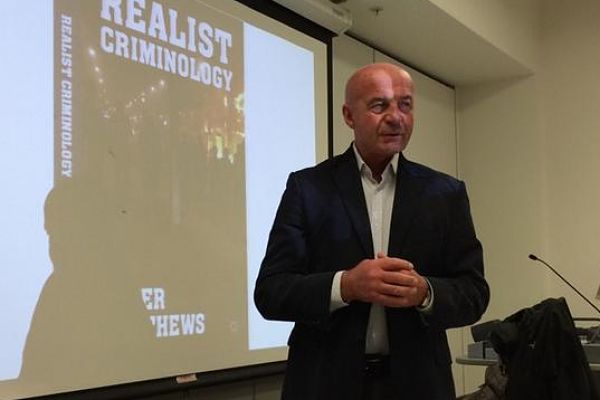
Roger Matthews, one a group of influential British criminologists who challenged both the dominant rightist “administrative” conception of law and order and what they viewed an idealistic perspective of crime from the left, has died from the effects of the coronavirus.
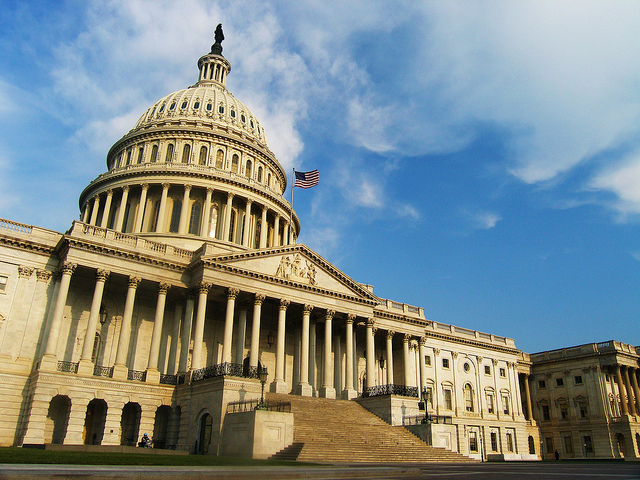
mmittee of the U.S. House of Representatives wants to make sure that all sciences continue to play a role in fighting the coronavirus, and asks for ideas on how the next economic stimulus package in the United States can support research.

After two decades that have almost been defined by wave upon wave of crises, argues Matthew Flinders, it’s possible that the public has simply become immune to warnings from politicians and habitually distrustful of their claims.
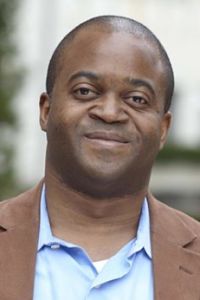
‘I think,’ writes Damon J. Phillips, ‘ that this suggests that you happen to be coming along in a new era that will be stressful to live through, but also one that will fuel the best of our scholarship. In the coming years and decades there will be an urgency around different questions framed by our current crises.’

A lot of people have been posting on social media saying they have been feeling tired earlier than usual while on lockdown. […]
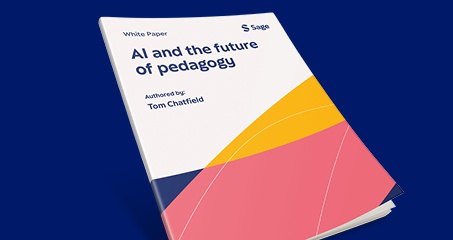
When people trust science, they can make better decisions, follow helpful rules and work together on big problems like health, climate change […] Do you know a social or behavioral science researcher whose work resonates across disciplines and which has made a significant impact in […] Please note: this contest has now closed. The winner will be contacted in due course. This November, Sage and Overton invite you to share the unexpected […] The latest generation of artificial intelligence models is sharper and smoother, producing polished text with fewer errors and hallucinations. As a philosophy […] In a new white paper by Tom Chatfield, the philosopher of tech and critical thinking outlines a practical roadmap for integrating artificial intelligence into […] Distance learning far precedes the digital age. Before online courses, people relied on print materials (and later radio and other technologies) to […]
EXPLORE
Impact

There Is a Cost to Being Honest About Science
READ MORE

Outstanding Social and Behavioral Scientists Sought for Sage-CASBS Award
READ MORE
![Share Your Most Surprising Policy Citation for Chance to Win $500 [Closed]](https://www.socialsciencespace.com/wp-content/themes/conferpress/images/default_thumbnail-new-border.jpg "Share Your Most Surprising Policy Citation for Chance to Win $500 [Closed]")
Share Your Most Surprising Policy Citation for Chance to Win $500 [Closed]
READ MORE
Innovation

An AI Authorship Protocol Aims to Sharpen a Sometimes-Fuzzy Line
READ MORE

A Box Unlocked, Not A Box Ticked: Tom Chatfield on AI and Pedagogy
READ MORE

AI Gaming of Some Online Courses Threatens Their Credibility
READ MORE