


Could Distributed Peer Review Better Decide Grant Funding?
The landscape of academic grant funding is notoriously competitive and plagued by lengthy, bureaucratic processes, exacerbated by difficulties in finding willing reviewers. Distributed […]
Do researchers want to be engaged? Many have suggested otherwise. By and large I found the opposite. The large majority of researchers accepted my invitation to connect with practitioners.

A database of retractions shows hundreds of academic articles with Australian authors have been withdrawn. Research misconduct threatens to corrode trust in academic qualifications and publications.
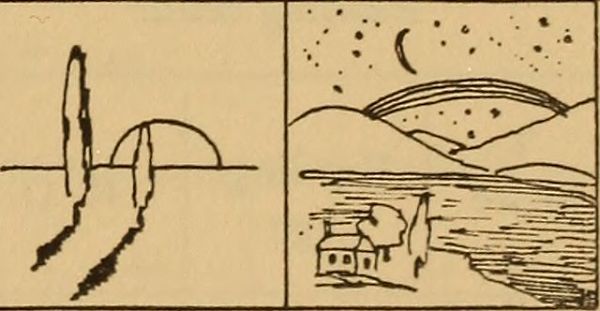
Joni Lakin takes a look at David Lohman’s seminal 2005 work in Gifted Child Quarterly. His paper addresses the issue of underrepresentation while tackling a well-intentioned myth that nonverbal tests are the most equitable way to assess students who come from racial, ethnic, or linguistic minorities in the U.S.

“I think the debate about why people use the foodbanks has become really politicized to the point where apparently individual faults and failings are the reason why people are using them,” Kayleigh Garthwaite tells interviewer David Edmonds in this Social Science Bites podcast. To find out, she volunteered to work at a Trussell Trust foodbank in northern England’s city of Stockton, deploying ethnographic methods to learn from the workers and the food recipients.
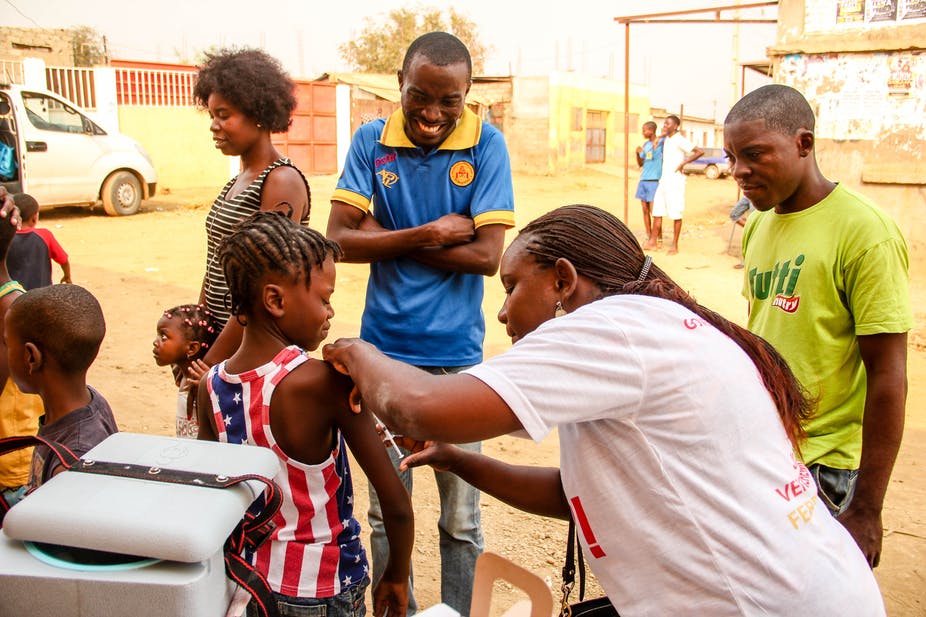
Most countries in Africa are lagging behind development goal suggested by the United Nations. Science academies have a crucial role to play in developing ways for scientists to help these nations achieve development goals more effectively.

For most people, the idea of academia and heavy metal coming together under a single roof represents a paradox. It’s a misplaced assumption built on ingrained ideas about these two cultural forms.
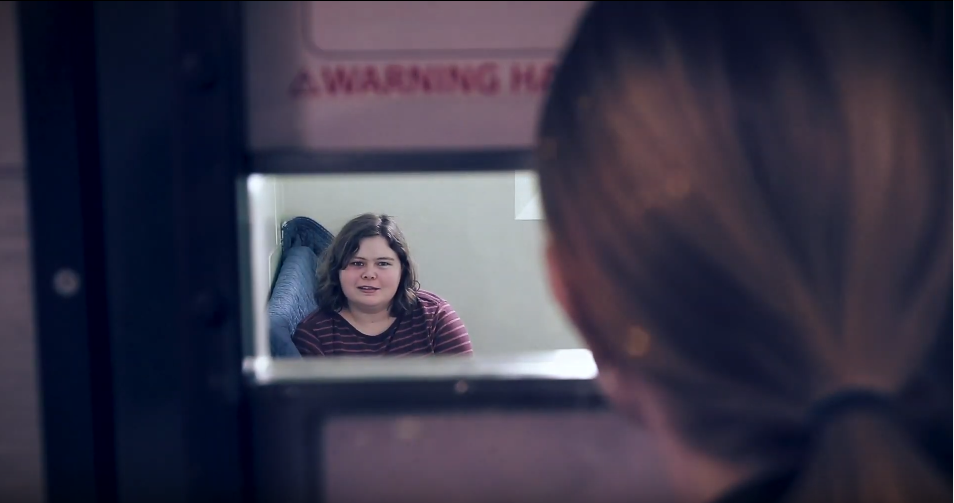
Autistic individuals are estimated to be seven times more likely than the general population to come into contact with the Criminal Justice System. Dr Chloe Holloway from the University of Nottingham, is one of the finalist for Outstanding Early Career Impact in the ESRC Celebrating Impact Prize 2019.

Adam Seth Levine compares how many practitioners engaged in self-matchmaking by contacting researchers directly through the site versus the number who requested hands-on matchmaking.
People often see science as a world apart: cool, rational and untouched by persuasion or performance. In this view, scientists simply discover […] “Research impact” means different things to different people. Some refer broadly to how science changes behaviors, beliefs, or practices outside academic institutions. […] One researcher studies how war affects children, another took a literal worm’s eye view to examine rural development, while two others scrutinized […] David Canter considers informal places where people socialize, suggesting they’re an arena ChatGPT and other LLMs can’no’t replicate. As someone who lives […] It’s become cliche since Clive Humbly coined it in 2006, but data is indeed the new oil. It’s a mantra repeated by […] In September 2025, The Guardian reported about a lawyer in Australia having faced sanctions due to false citations. These citations were not […]
EXPLORE
Impact

Scientists Should Keep in Mind It’s Called the ‘Marketplace of Ideas’ for a Reason
READ MORE

Survey Finds Social Scientists Feel Unsupported in Seeking Societal Impact
READ MORE
Canada’s SSHRC Names 2025 Impact Winners
READ MORE
Innovation

Reaching Parts to Which AI Has No Access
READ MORE

Andrea Medina-Smith on Making Research Data More FAIR
READ MORE

A Status Check on Hallucinated Case Law Incidents
READ MORE