


Could Distributed Peer Review Better Decide Grant Funding?
The landscape of academic grant funding is notoriously competitive and plagued by lengthy, bureaucratic processes, exacerbated by difficulties in finding willing reviewers. Distributed […]
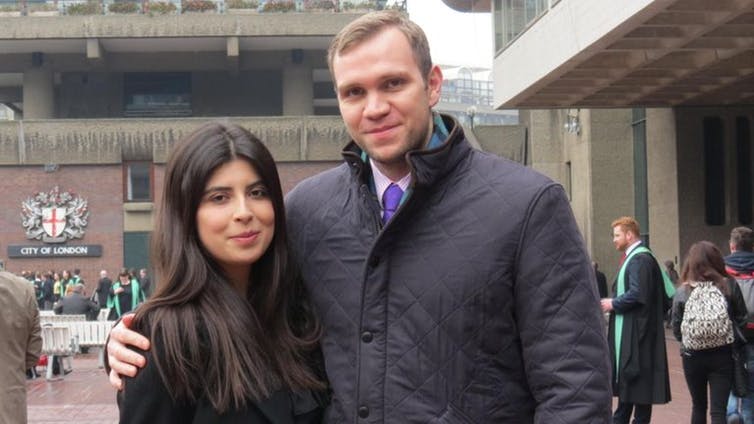
I had no reservations about conducting research in the UAE. And I underwent a rigorous ethical and fieldwork assessment and was sure to follow established protocols before and during my trip. Yet I was imprisoned for nearly seven months …

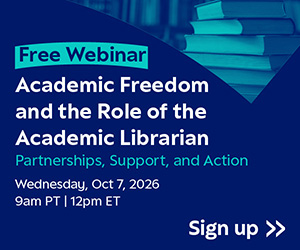
Academic freedom is under threat everywhere. Not only do some countries perpetrate direct attacks on students and scholars. But the internationalization of higher education has also created new global threats for both scholars and students. Here is how to defend academic freedom.
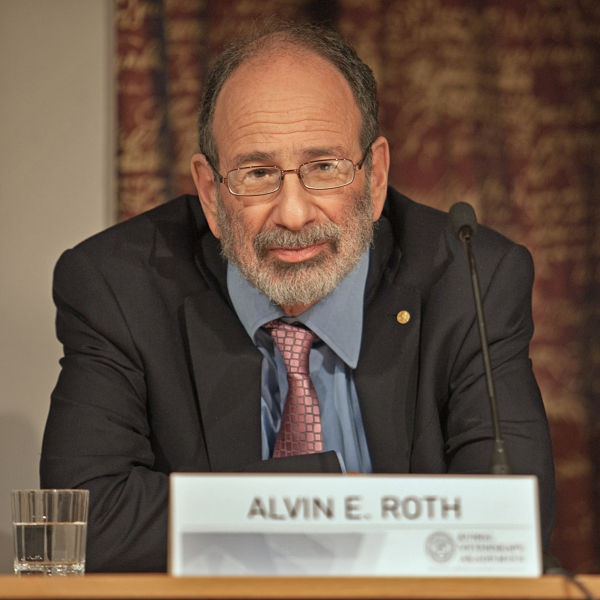
“Many people die without getting a transplant because there aren’t enough organs for the people who need them, living donor organs included. Sometimes, you might love someone enough to give him a kidney but you can’t give a kidney to the person you love, because kidneys have to be very well-matched. Kidney exchange is a way of getting some transplants done, even when patients and their donors are not well matched.”
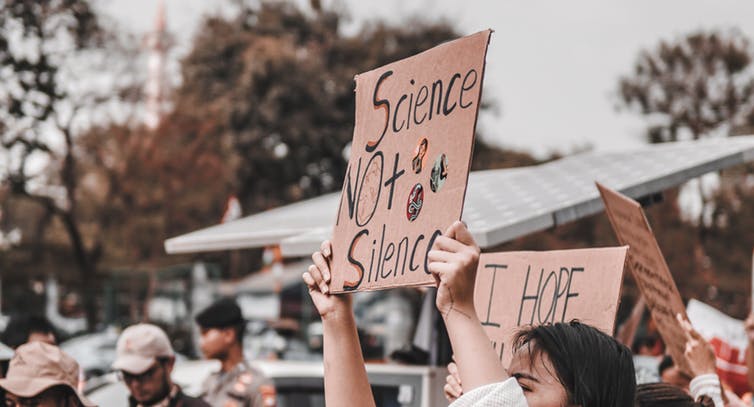
Despite warnings from universities (under government pressure), thousands of students in Indonesia protested controversial bills. What role, if any, should academics play in the support and encouragement of student protesters?
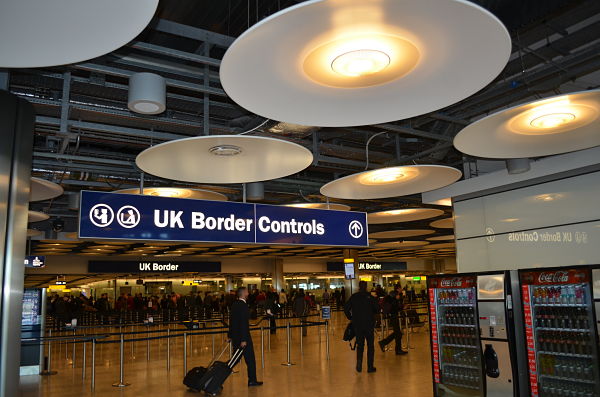
A new report from the Royal Society about the effects on Brexit on science in the United Kingdom has our peripatetic Daniel Nehring mulling the changes that will occur in higher education and academic productivity.
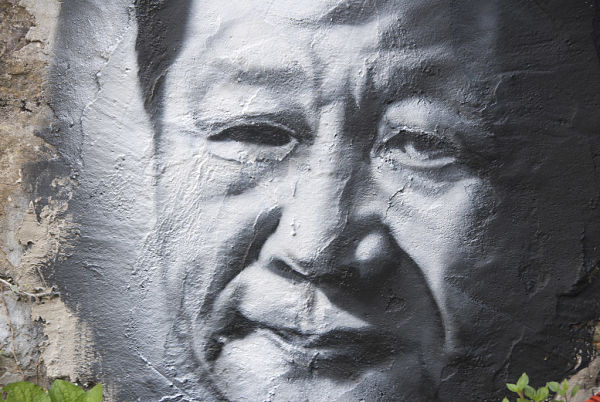
New bans and restrictions of research and teaching on topics such as constitutionalism and civil society have impeded independent scholarship in China. How should universities and academics outside of China react?
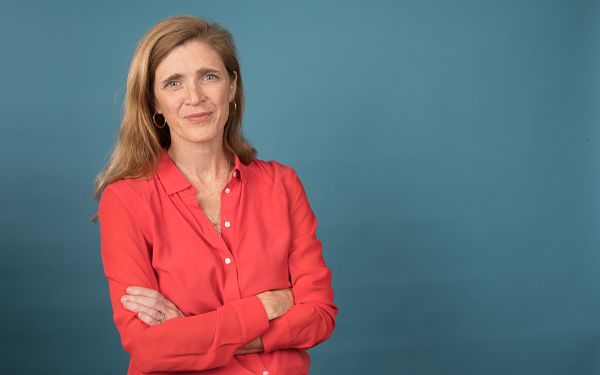
Just after Samantha Power’s American Academy of Political and Social Science Daniel Patrick Moynihan Prize lecture earlier this month, Social Science Space flagged her down to get some advice on navigating these abutting realms.

The Community College Libraries and Academic Support for Student Success project examines student success from the perspectives of the students themselves, the challenges they face in achieving it, and the services they think might effectively support them in their attainment of success. Given that three quarters of students surveyed also have jobs, when students’ needs aren’t met in their everyday lives, their academic performances suffer.

Euan Adie, the founder of Altmetric and later of Overton, discusses the reasons the led to Overton’s focus on showing researchers how […] Here’s a couple of quick questions for you. What is the smallest of the eight discipline-based directorates at the United States’ National […] Sage’s 10-Year Impact Awards recognize academic papers appearing in Sage-published journals that have achieved lasting impact. The winning papers are the most […] I was adding some final flourishes on the topic of ‘iatrocracy’ to my forthcoming book with Natewindé Sawadogo – Sickness and Social […] How is AI changing the shape and space of higher education? Critical thinking continues to rank highly among key skills and attributes […] My colleagues and I recently spoke with a group of talented, interesting students who just completed their first year of college about […]
EXPLORE
Impact
Quick Insight: Euan Adie on Getting Academics Credit for Their Impact
READ MORE

NSF’s Embattled SBE Directorate Shown as Agency’s Policy Heavyweight
READ MORE
Sage’s 10-Year Impact Awards Capture Longer-Term Significance
READ MORE
Innovation

AI and ‘Iatrocracy’ – A Cautionary Tale
READ MORE

The Critical Student: How GenAI Reshapes Critical Skills and Higher Education’s Role Preparing Students For It
READ MORE

AI Doesn’t Drive Student Cheating. It Just Hitches a Ride
READ MORE