

Could Distributed Peer Review Better Decide Grant Funding?
The landscape of academic grant funding is notoriously competitive and plagued by lengthy, bureaucratic processes, exacerbated by difficulties in finding willing reviewers. Distributed […]
In a rapidly changing higher education landscape, where the meaning of “impact” are continually developing, benefits of social media seems obvious. Increasing numbers of institutions are encouraging researchers to take up social media to communicate to wider society. However, as Katy Jordan and Mark Carrigan explain, the possibilities social media offers may lead to foreseen problems.
One of the most important issues facing Congress this year is the opioid epidemic that has touched on the lives of so many Americans. On May 17, the House Committee on Energy and Commerce approved a package of 57 bills designed to address the crisis of health and behavior, and the full House is expected to debate these bills later this month.
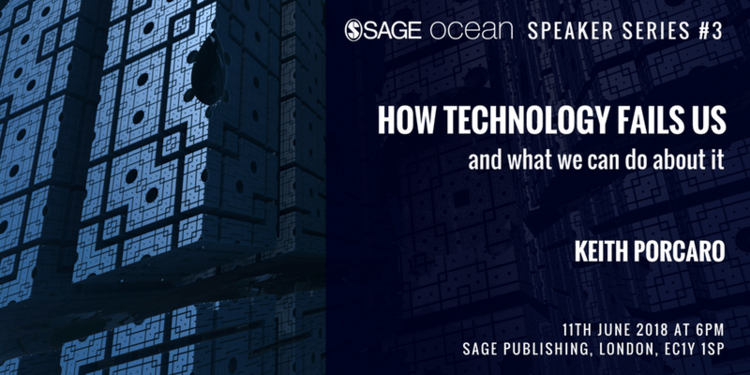
#SAGETalks returns with the third installment of the FREE SAGE Ocean Speaker Series on June 11th in London at 6pm. Keith Porcaro, fellow at Harvard’s Berkman Klein Center, will present his work on data trusts, a legal tool for governing and protecting digital movements.
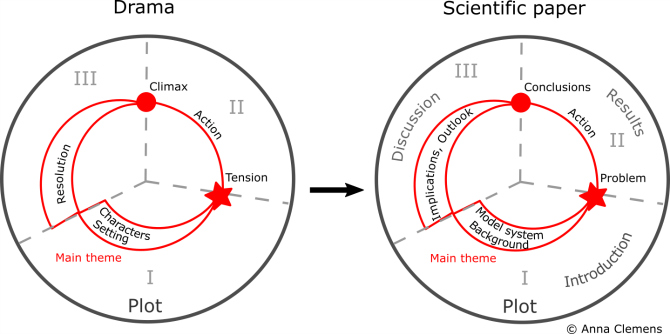
People love stories. We watch, read, tell, and listen to stories every day. Despite this, most researchers don’t think in terms of story when they write a journal paper. To Anna Clemens, that’s a missed opportunity, that she helps solve so that we may be ready to write a paper that is concise, compelling, and easy to understand.
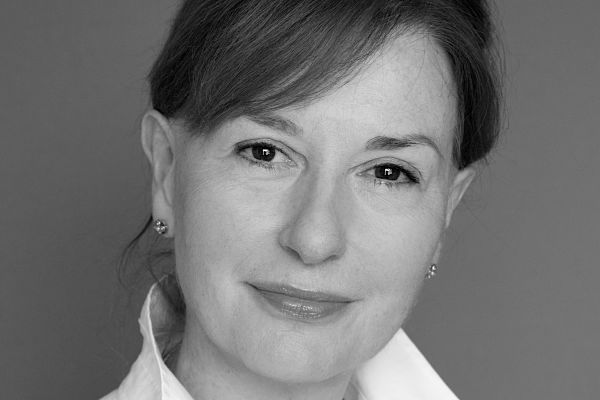
How did humans diverge so markedly from animals? Apart from physical things like our “physical peculiarities,” as experimental psychologist Celia Heyes puts it, or our fine motor control, there’s something even more fundamentally – and cognitively — different. hear more in our newest Social Science Bites podcast.
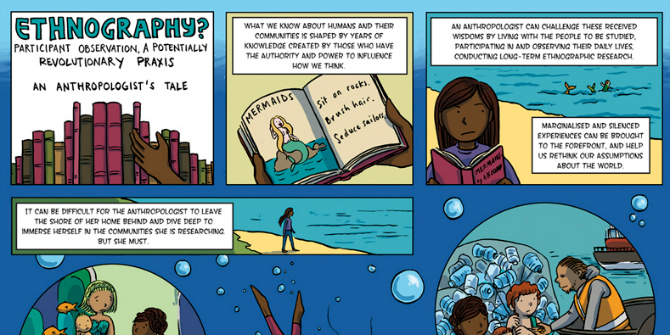
Publishing research that can be accessed as widely as possible is clearly crucial, but ensuring that research is accessible to similarly large groups of people is an altogether different challenge. Lucy Lambe explains how the LSE Library has worked with a comics creator and illustrator to create illustrated abstracts of articles that were funded to publish open access last year.
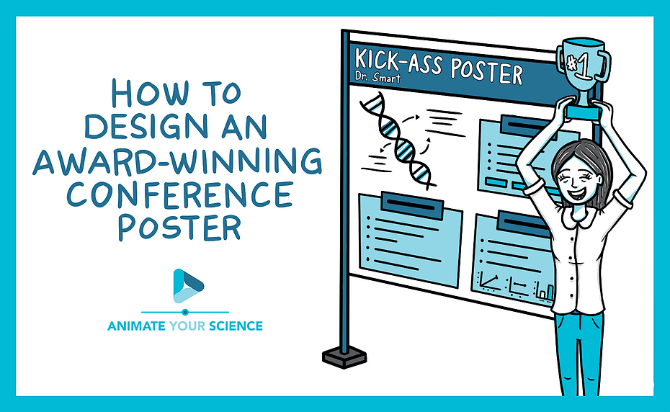
A good academic conference poster serves a dual purpose: it is both an effective networking tool and a way to communicate your research. But many academics fail to produce a truly visually arresting conference poster which make connections are lost. Tullio Rossi offers guidance on how to produce an outstanding conference poster.

Political scientist and journalist Angelo Falcón, who brought a focus on Latino and specifically Puerto Rican political issues to the forefront of the academy through organizations like the Institute for Puerto Rican Policy and scholarly projects like the Latino National Political Survey, died on May 24.
People often see science as a world apart: cool, rational and untouched by persuasion or performance. In this view, scientists simply discover […] “Research impact” means different things to different people. Some refer broadly to how science changes behaviors, beliefs, or practices outside academic institutions. […] One researcher studies how war affects children, another took a literal worm’s eye view to examine rural development, while two others scrutinized […] David Canter considers informal places where people socialize, suggesting they’re an arena ChatGPT and other LLMs can’no’t replicate. As someone who lives […] It’s become cliche since Clive Humbly coined it in 2006, but data is indeed the new oil. It’s a mantra repeated by […] In September 2025, The Guardian reported about a lawyer in Australia having faced sanctions due to false citations. These citations were not […]
EXPLORE
Impact

Scientists Should Keep in Mind It’s Called the ‘Marketplace of Ideas’ for a Reason
READ MORE

Survey Finds Social Scientists Feel Unsupported in Seeking Societal Impact
READ MORE
Canada’s SSHRC Names 2025 Impact Winners
READ MORE
Innovation

Reaching Parts to Which AI Has No Access
READ MORE

Andrea Medina-Smith on Making Research Data More FAIR
READ MORE

A Status Check on Hallucinated Case Law Incidents
READ MORE