


Could Distributed Peer Review Better Decide Grant Funding?
The landscape of academic grant funding is notoriously competitive and plagued by lengthy, bureaucratic processes, exacerbated by difficulties in finding willing reviewers. Distributed […]
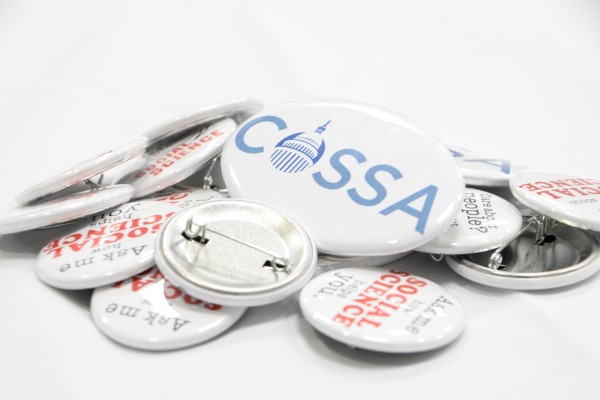
In the hour-long recorded conversation with Social Science Space editor Michael Todd, COSSA’s Wendy Naus discusses what individual social science scholars, students and their academic societies can do if they feel threatened by the currents in Washington, D.C.
Ed. note – This post is drawn from two articles that originally appeared at SAGE Connection. Textbook examples certify learning. Cases educate. […]
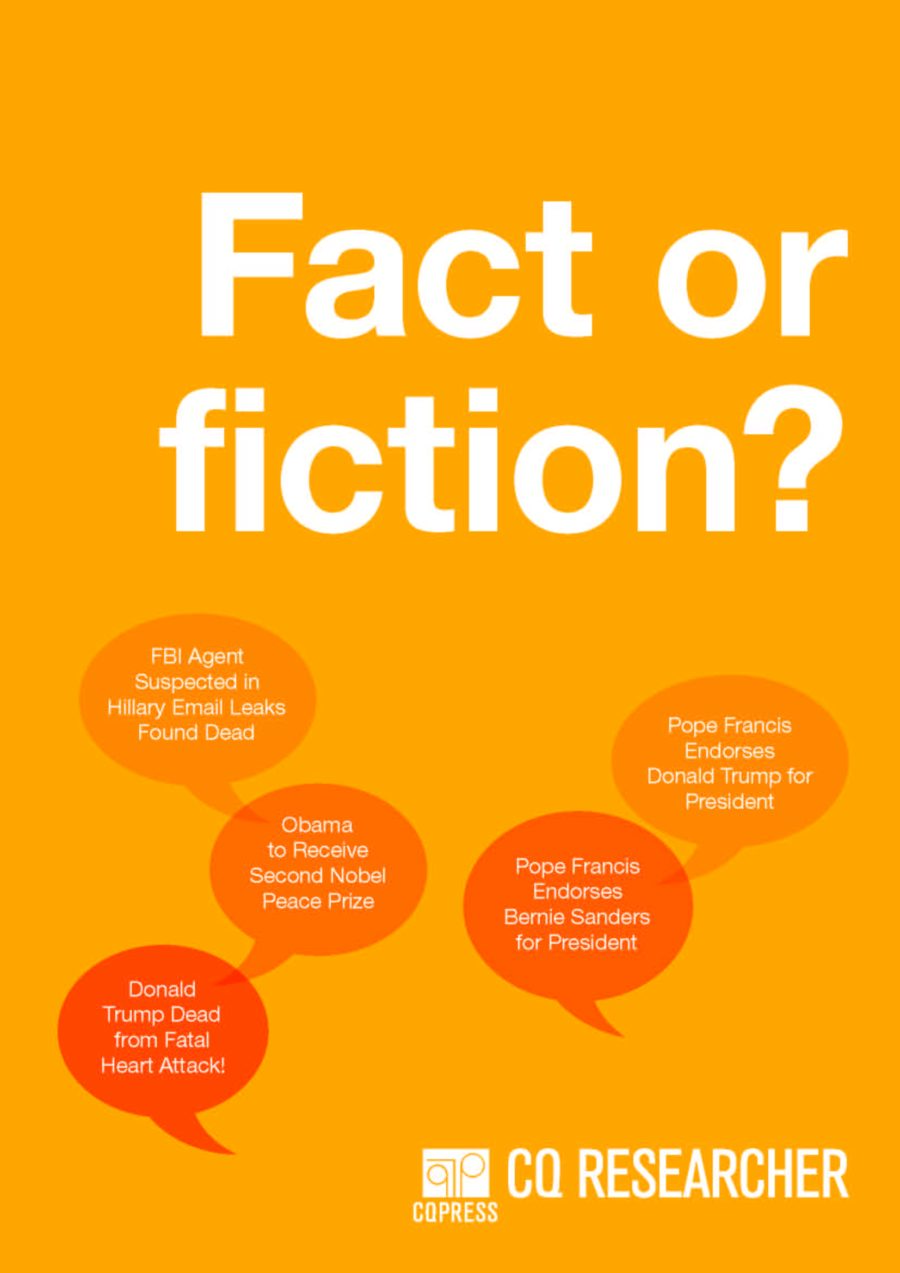
Concerned about the proliferation of fake news, CQ Press has created a short checklist aimed at students and teachers that offers some tools for divining what’s solid news and what’s bogus.
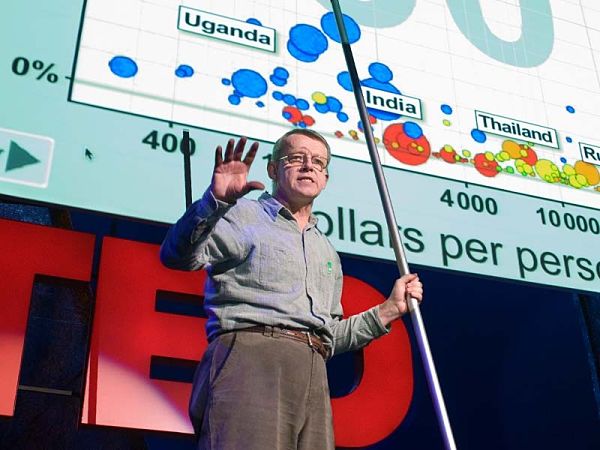
Hans Rosling, a epidemiologist whose gained global attention with twin messages of the power of stats and of hope, has died.
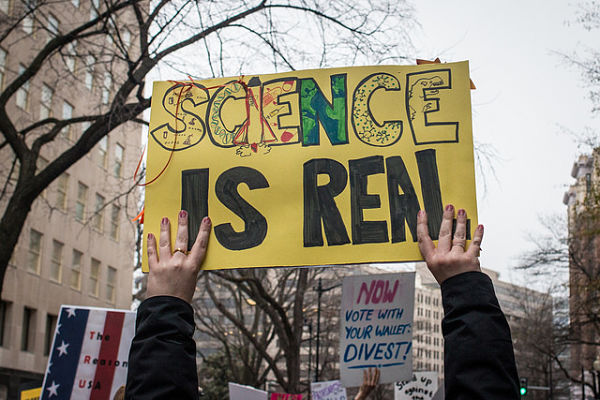
With science on the defensive for the time being, and the the fear of retribution palpable, the long-standing question of whether scientists should ever become advocates has come into sharper focus.

With a large portion of social and behavioral science basic research paid for by the United States government, how the funding process works and who makes the decisions is of vital interest. Here’s a primer on the process and list of key players in the 115th Congress. Plus, sign up for a webinar on the issue!

The value in economics lies not in some magical ability to divine the future. Tell that to the policymakers who expect their fortunes told.
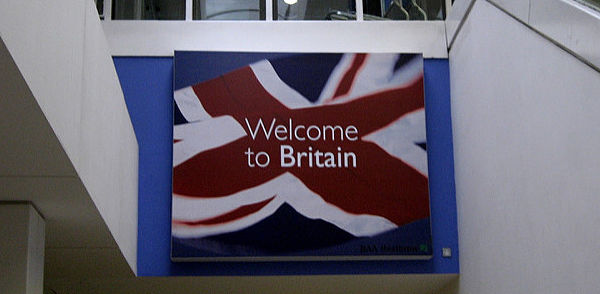
In the wake of the Brexit vote, our Daniel Nehring insists, academia’s arguments in favor of an open society have remained surprisingly weak.
People often see science as a world apart: cool, rational and untouched by persuasion or performance. In this view, scientists simply discover […] “Research impact” means different things to different people. Some refer broadly to how science changes behaviors, beliefs, or practices outside academic institutions. […] One researcher studies how war affects children, another took a literal worm’s eye view to examine rural development, while two others scrutinized […] David Canter considers informal places where people socialize, suggesting they’re an arena ChatGPT and other LLMs can’no’t replicate. As someone who lives […] It’s become cliche since Clive Humbly coined it in 2006, but data is indeed the new oil. It’s a mantra repeated by […] In September 2025, The Guardian reported about a lawyer in Australia having faced sanctions due to false citations. These citations were not […]
EXPLORE
Impact

Scientists Should Keep in Mind It’s Called the ‘Marketplace of Ideas’ for a Reason
READ MORE

Survey Finds Social Scientists Feel Unsupported in Seeking Societal Impact
READ MORE

Canada’s SSHRC Names 2025 Impact Winners
READ MORE
Innovation

Reaching Parts to Which AI Has No Access
READ MORE

Andrea Medina-Smith on Making Research Data More FAIR
READ MORE

A Status Check on Hallucinated Case Law Incidents
READ MORE