



Could Distributed Peer Review Better Decide Grant Funding?
The landscape of academic grant funding is notoriously competitive and plagued by lengthy, bureaucratic processes, exacerbated by difficulties in finding willing reviewers. Distributed […]
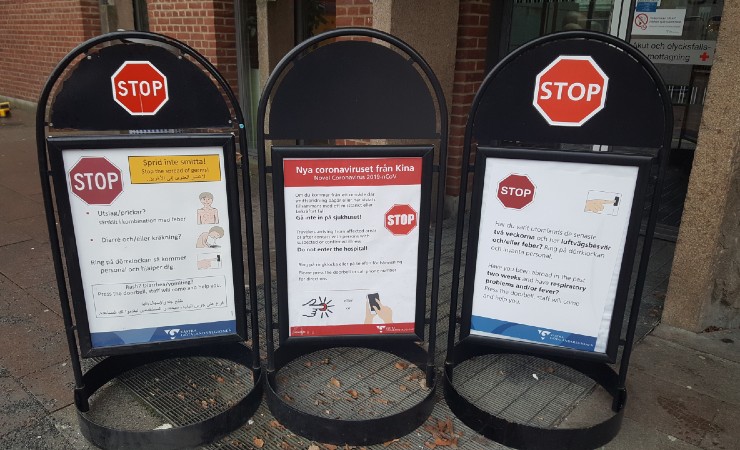
New data from the WHO show that during the pandemic’s first two years, Sweden had half the excess death rate of the UK, Germany or Spain – and a quarter of the excess death rate of many countries in Eastern Europe.
Authors Marc Cowling, Paul Nightingale, Nick Wilson, and Marek Kacer find “everything researched and written about COVID-19 in whatever context – medical, […]
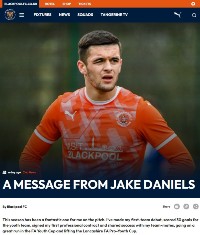
Footballer Jake Daniels’ coming out leads us to ask – would other sports, like eSports, be more welcoming of a figure being gay?
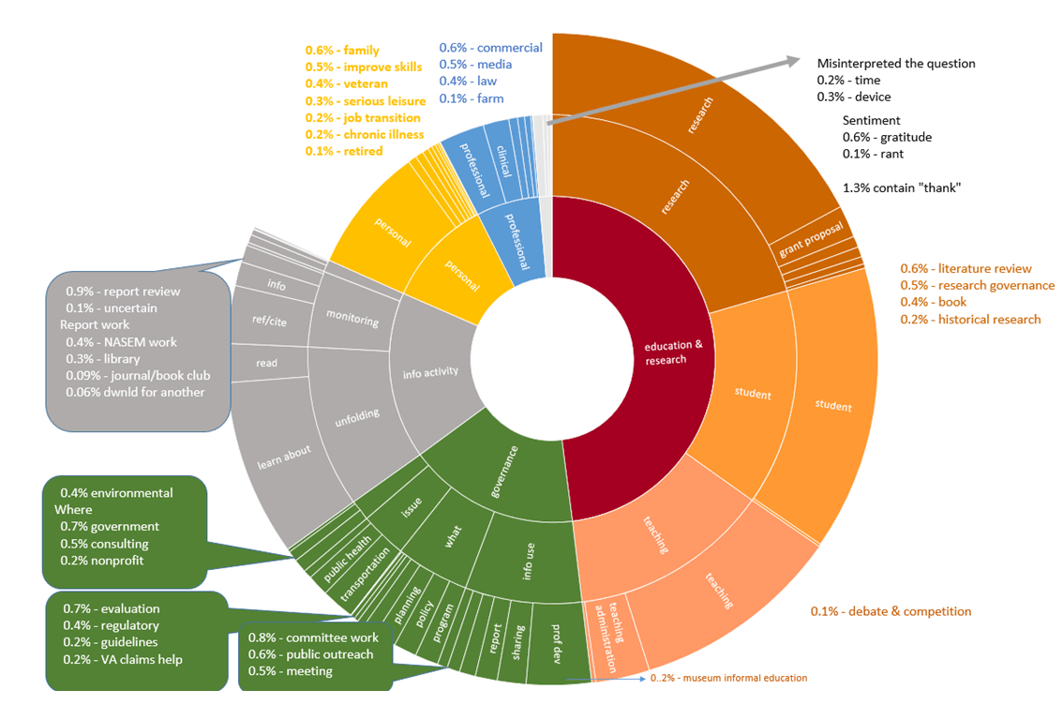
Drawing on a dataset covering over a million user comments about their use of US National Academies consensus study reports, Ameet Doshi, Diana Hicks, Matteo Zullo and Omar I. Asensio find widespread use of open research in the public sphere.

Surely an entrepreneur’s pitch should be enthusiastic and passionate, right? Well, the authors’ research finds that there are instances where unbridled enthusiasm, especially without accompanying expertise, turns off funders.
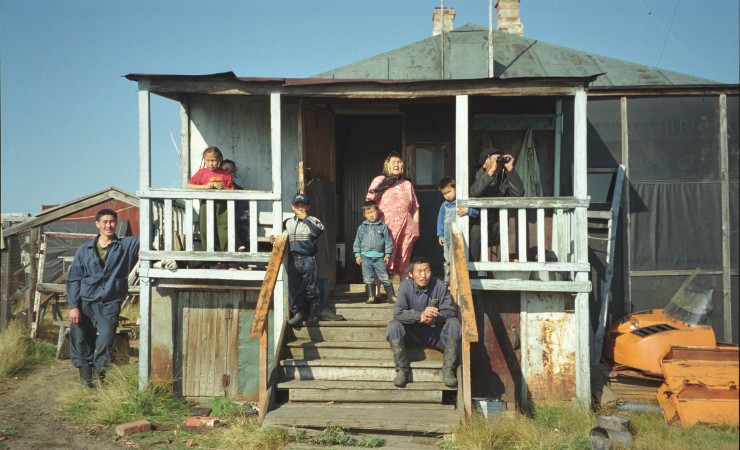
Recent studies have underscored that conservationists can learn a lot from traditional ecological knowledge about successful resource management.

The research is clear: the more credible the messenger, the more credible the message. Nowhere is this more important than when negotiating. […]
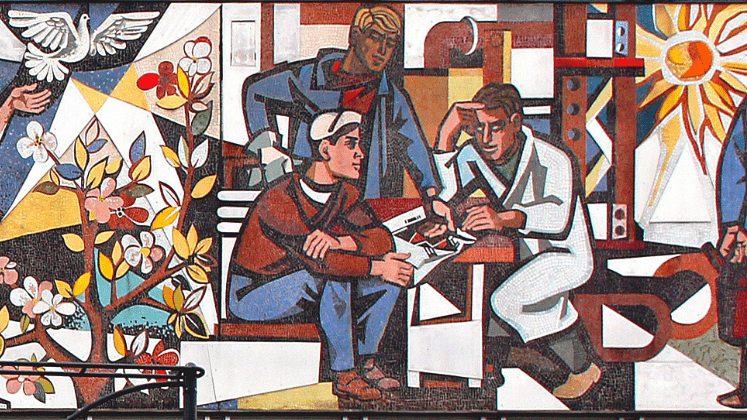
Doubravka Olšáková and Sam Robinson, argue that we are at the beginning of a new era of ‘post naïve’ science diplomacy.
People often see science as a world apart: cool, rational and untouched by persuasion or performance. In this view, scientists simply discover […] “Research impact” means different things to different people. Some refer broadly to how science changes behaviors, beliefs, or practices outside academic institutions. […] One researcher studies how war affects children, another took a literal worm’s eye view to examine rural development, while two others scrutinized […] David Canter considers informal places where people socialize, suggesting they’re an arena ChatGPT and other LLMs can’no’t replicate. As someone who lives […] It’s become cliche since Clive Humbly coined it in 2006, but data is indeed the new oil. It’s a mantra repeated by […] In September 2025, The Guardian reported about a lawyer in Australia having faced sanctions due to false citations. These citations were not […]
EXPLORE
Impact

Scientists Should Keep in Mind It’s Called the ‘Marketplace of Ideas’ for a Reason
READ MORE

Survey Finds Social Scientists Feel Unsupported in Seeking Societal Impact
READ MORE
Canada’s SSHRC Names 2025 Impact Winners
READ MORE
Innovation
Reaching Parts to Which AI Has No Access
READ MORE

Andrea Medina-Smith on Making Research Data More FAIR
READ MORE

A Status Check on Hallucinated Case Law Incidents
READ MORE