Engaging Community Researchers: What Works?
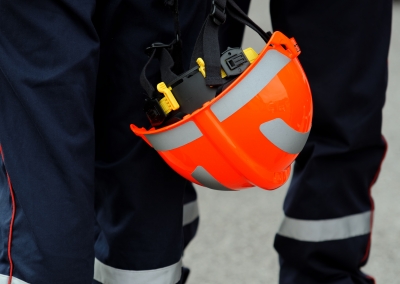 Late last year I blogged on this site about an inventive new research project taking place between Greater Manchester Fire and Rescue Service (GMFRS) and the University of Salford: the Post Incident Research Programme. The project involves qualitative interviews with people that have experienced an accidental dwelling fire: a hitherto underrepresented group within social science research.
With more than 30 interviews under our belt so far, we are really pleased with the quality of the interviews and the insights that are emerging – particularly in terms of how people make sense of their incident, the emotional impact of experiencing a fire and how people perceive the risk of fire. We are currently working to analyse the data and look forward to reporting findings in the autumn.
For us, the project is the first step towards creating an on-going research framework within GMFRS. For this reason, a decision was made very early on that the interviews should be conducted by GMFRS’ Community Safety Advisors (CSAs) as opposed to the small, core research team comprising of a couple of University of Salford academics and me. CSAs are uniformed, non-operational staff members that, amongst other responsibilities, deliver fire safety advice in people’s homes, schools and in community groups. In particular, their activities are increasingly being targeted towards those who are deemed most vulnerable to fire.
I will admit that after months of planning, working on the literature review and establishing the necessary processes to undertake a project of this kind, relinquishing some control over the project felt, at first, a little daunting. However, there are three convincing reasons why we believe CSAs are best placed to do the interviewing.
Firstly, CSAs have many of the skills that make for a really good interviewer. In particular, they are adept at building rapport with members of the public.
Secondly, they have a great deal of experience and expertise in working with individuals that are at increased risk of fire.
And thirdly, and most importantly, they will help to ensure that the research has a legacy that goes beyond the lifespan of the project.
By taking part in the research, we hope that the CSAs are learning new skills that will support them in their role and, crucially, learning new insights into at-risk groups that will be useful to them as fire safety practitioners. With this knowledge, we hope that CSAs will be in a position to help us translate the research findings into practice.
With this decision came a number of responsibilities. For instance, all the CSAs received bespoke training from the University of Salford before taking part. It has also been recognised that maintaining the CSAs’ engagement in the project is crucial for its success. To this effect, the CSAs were involved in shaping the design of the interview schedule and are playing an important role in shaping the analysis of the data. On a day-to-day basis, regular contact with the CSAs and their managers to see how the interviews are going and to address any emerging issues is equally important. Certainly, the CSAs have approached the opportunity with a great deal of enthusiasm, professionalism and have succeeded in carrying out some really excellent interviews.
However, we appreciate that sustaining enthusiasm and interest in the project requires an on-going commitment and we won’t be resting on our laurels. I’d be interested to hear from other academics / researchers that have employed similar techniques in their research (perhaps utilising community researchers, for example)… What worked well? And do you have any hints or tips for encouraging and maintaining engagement?
by Jessica H Smith
Research and Evaluation Officer
Greater Manchester Fire and Rescue Service