Could Distributed Peer Review Better Decide Grant Funding?
The landscape of academic grant funding is notoriously competitive and plagued by lengthy, bureaucratic processes, exacerbated by difficulties in finding willing reviewers. Distributed […]
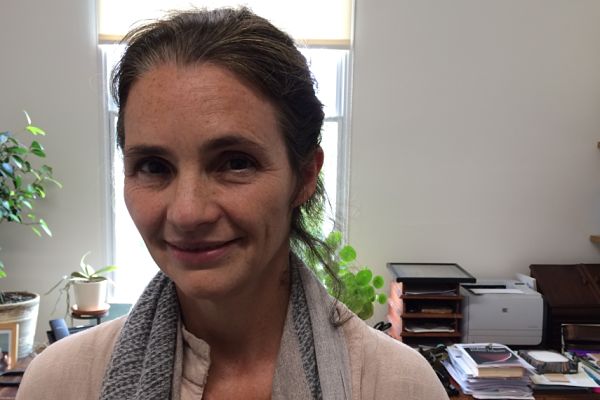
Economist Sabina Alkire has spent her career looking at all the things beyond just a lack of money that make us poor. In this Social Science Bites podcast, the director of the Oxford Poverty and Human Development Initiative explains the need for a consistent and reputable means of measuring poverty over time.
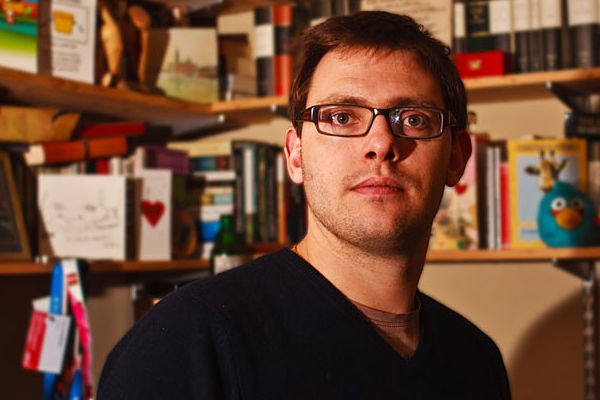
Philosopher Tom Chatfield’s media presence – which is substantial – is often directly linked to his writings on technology. But his new book is on critical thinking, and while that involves humanity’s oldest computer, the brain, Chatfield explains in this Social Science Bites podcast that new digital realities interact with old human biases.
In the Social Science Bites podcast, Ioanna Palaiologou and Dave Edmonds also talk about cultural differences in play and how it is a vital part of children’s emotional development. All work and no play, it seems, does more than make Jack a dull boy.

In this Social Science Bites podcast, Nobel laureate economist Al Roth explains to interview David Edmonds some of the ins and outs of market matching, giving a wealth of real-world examples.
In this Social Science Bites podcast, the director of Studies for Psychological and Behavioural Sciences at Cambridge’s Christ’s College discusses how environment – and that includes the cultural, built and financial environments –buttresses short term pleasures over long term benefits to the detriment of public health.
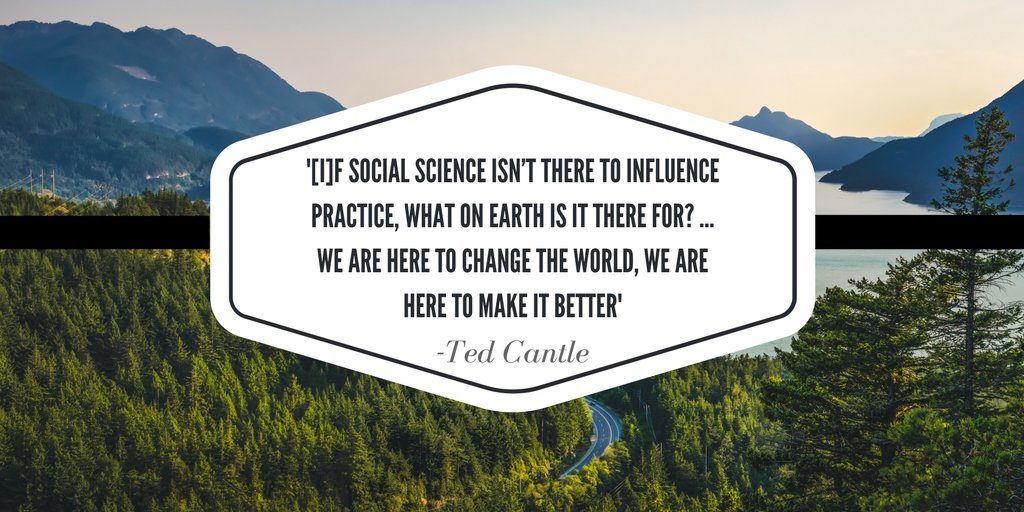
Social Science Bites, a series of interviews with leading social scientists, reached a milestone with its 50th podcast — Gary King on Big Data Analysis — in March 2017. This Storify of tweets presents a memorable quote from each of those first 50 interviews.
Border criminology, Mary Bosworth details in this Social Science Bites podcast, is trying to understand both things that are happening at the border but also things that are happening in our criminal justice system.

Ask a number of influential social scientists who in turn influenced them, and you’d likely get a blue-ribbon primer on the classics in social science. And so it as we present the third and final series of answers to that question drawn from the first 50 guests on the Social Science Bites podcast series.
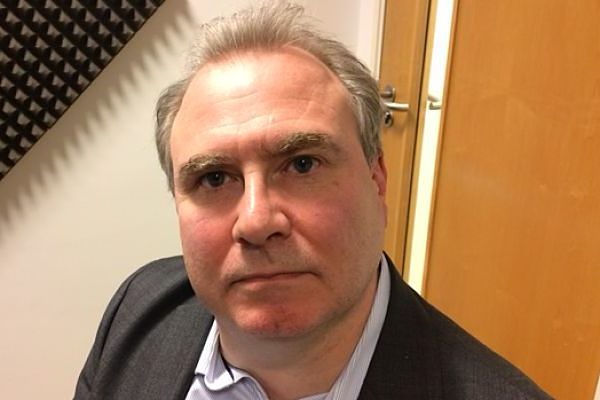
What is an “organization?” According to Chris Grey, the guest in this Social Science Bites podcast, in many ways it’s a moment in time. “An organization,” he tells interviewer David Edmonds, “is also a momentary crystallization of an ongoing process of organizing.”
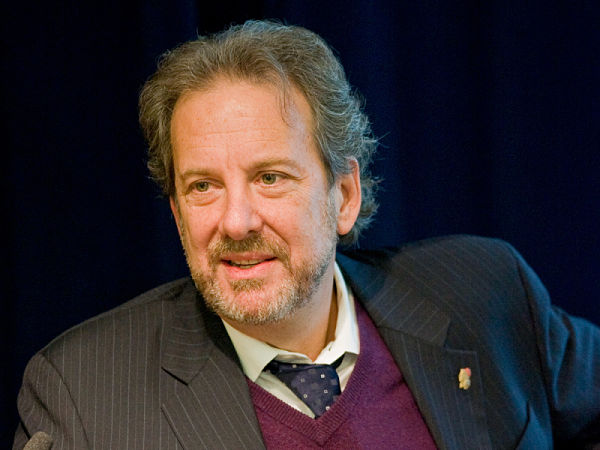
In this Social Science Bites podcast, anthropologist Scott Atran describes how ‘sacred values’ prove remarkably immune to negotiation and can empower vicious terrorism or victorious revolution.


Four Americans working in the social and behavioral sciences are among the 20 people named MacArthur Fellows this year. Recipients may be […]
Euan Adie, the founder of Altmetric and later of Overton, discusses the reasons the led to Overton’s focus on showing researchers how […]
Here’s a couple of quick questions for you. What is the smallest of the eight discipline-based directorates at the United States’ National […]
I was adding some final flourishes on the topic of ‘iatrocracy’ to my forthcoming book with Natewindé Sawadogo – Sickness and Social […]
How is AI changing the shape and space of higher education? Critical thinking continues to rank highly among key skills and attributes […]
My colleagues and I recently spoke with a group of talented, interesting students who just completed their first year of college about […]
EXPLORE
Impact

Four From Social Science World Receive 2026 MacArthur Fellowships
READ MORE

Quick Insight: Euan Adie on Getting Academics Credit for Their Impact
READ MORE

NSF’s Embattled SBE Directorate Shown as Agency’s Policy Heavyweight
READ MORE
Innovation

AI and ‘Iatrocracy’ – A Cautionary Tale
READ MORE

The Critical Student: How GenAI Reshapes Critical Skills and Higher Education’s Role Preparing Students For It
READ MORE

AI Doesn’t Drive Student Cheating. It Just Hitches a Ride
READ MORE
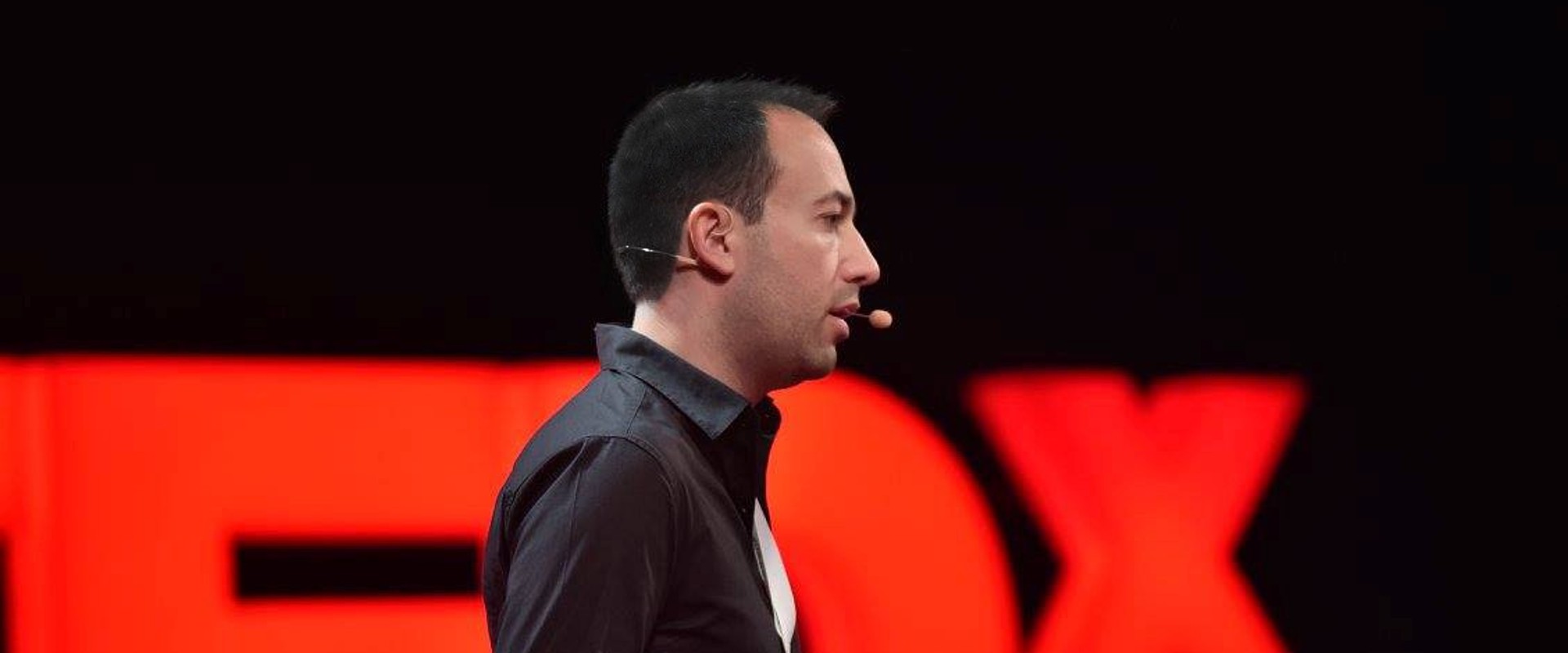
In this Social Science Bites podcast, cognitive anthropologist Dimitris Xygalatas details how ritual often serves a positive purpose for individuals – synchronizing them with their communities or relieving their stress.
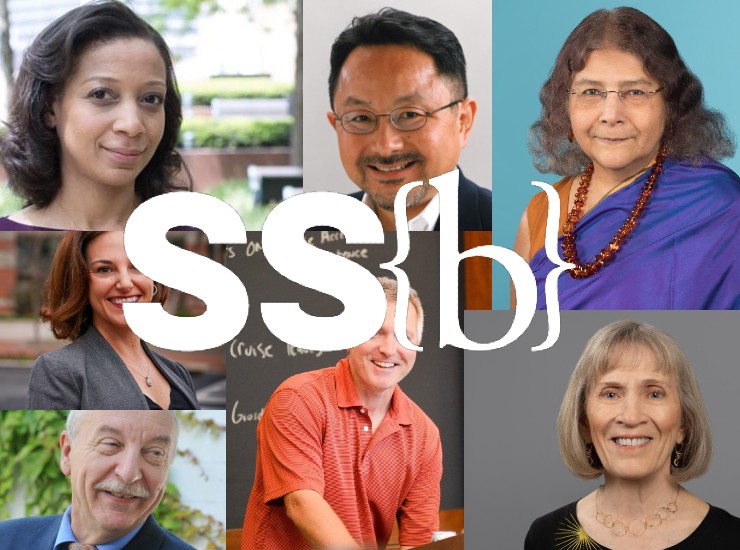
At the end of every interview that host David Edmonds conducts for the Social Science Bites podcast, he poses the same question: Whose work most influenced you? Those exchanges don’t appear in the regular podcast; we save them up and present them as quick-fire montages that in turn create a fascinating mosaic of the breadth and variety of the social and behavioral science enterprise itself.
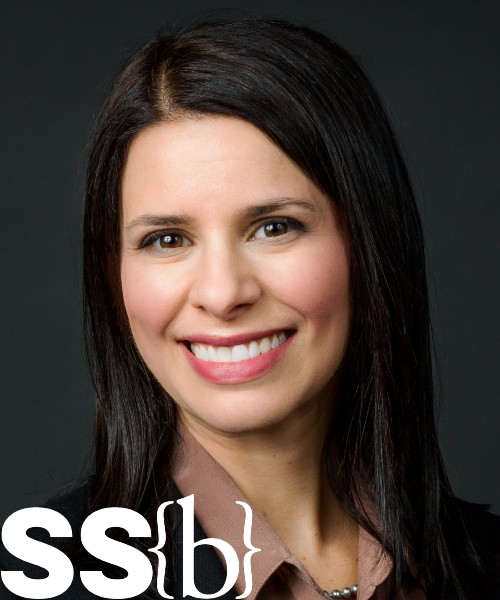
In this Social Science Bites podcast, Deborah Small, the Adrian C. Israel Professor of Marketing at Yale University, details some of the thought processes and outcomes that research provides about charitable giving.
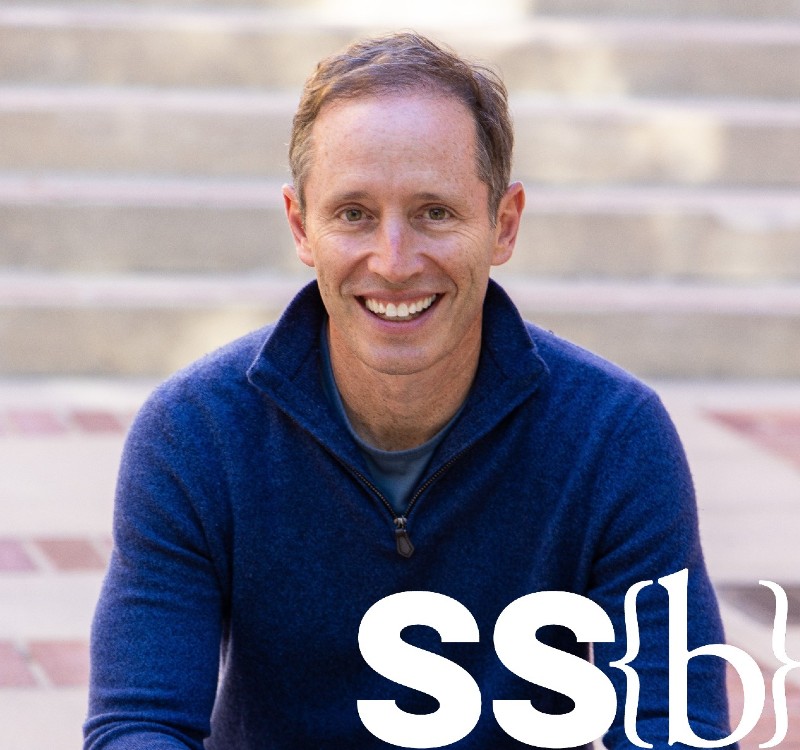
On his institutional web homepage at the University of California-Los Angeles’s Anderson School of Management, psychologist Hal Hershfield posts one statement in big italic type: “My research asks, ‘How can we help move people from who they are now to who they’ll be in the future in a way that maximizes well-being?”
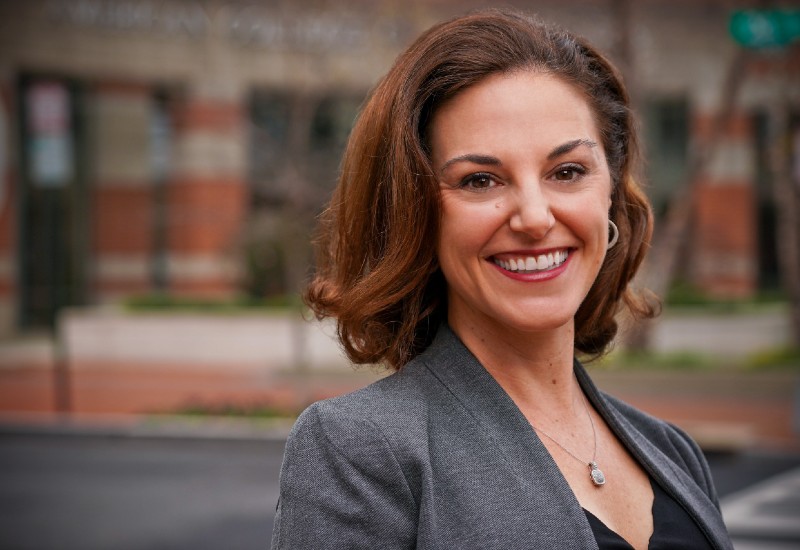
In this Social Science Bites podcast, economist Melissa Kearney reviews the long-term benefits of growing up in a two-parent household and details some of the reasons why such units have declined in the last four decades.
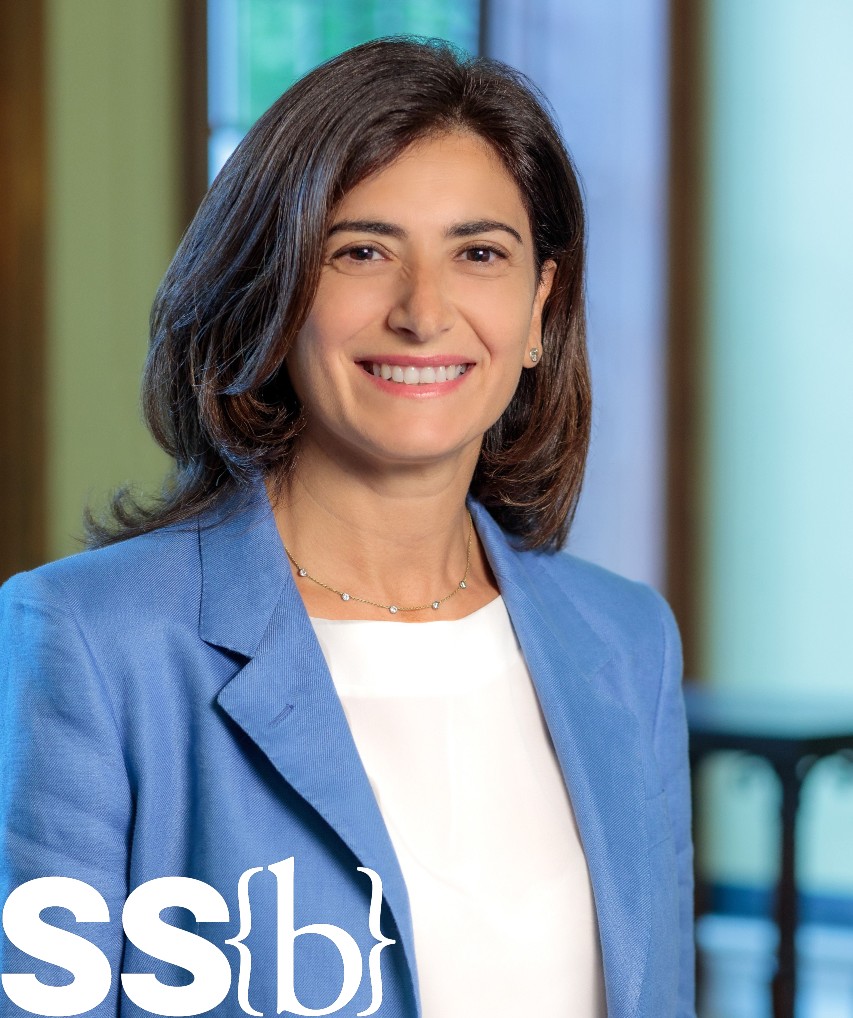
While it seems intuitively obvious that good management is important to the success of an organization, perhaps that obvious point needs some evidence given how so many institutions seem to muddle through regardless. Enter Raffaela Sadun, the Charles E. Wilson Professor of Business Administration at Harvard Business School …
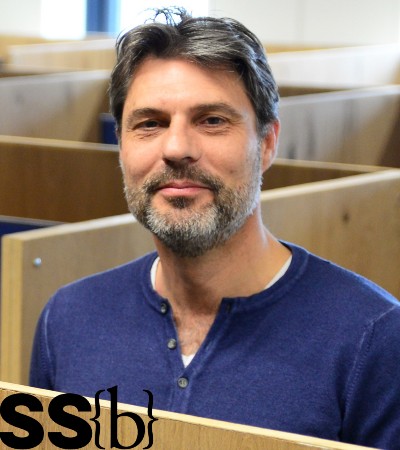
Trained as a social psychologist, Leiden University social psychologist Carsten de Dreu uses behavioral science, history, economics, archaeology, primatology and biology, among other disciplines to study the basis of conflict and cooperation among humans.
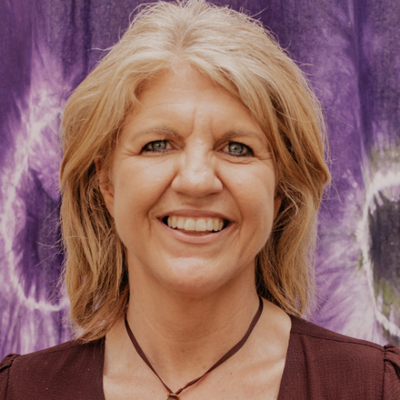
Heaven Crawley, who heads equitable development and migration at United Nations University Centre for Policy Research, discusses how the current Western picture of migration is incomplete and lacks nuance, both of which harm efforts to address the issue.

Psychologist Shinobu Kitayama explores the cultural differences between Asia and America, the possible origins of those differences, and how the brain and body may reflect those differences.
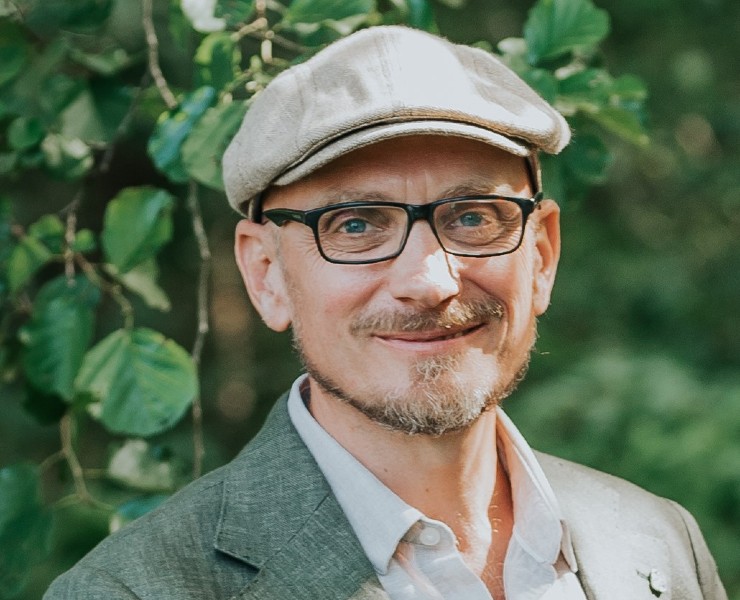
We are “less aware of the reasons for our choices than we think we are,” Petter Johansson and his partner Lars Hall have determined, and reasoning, as we call it, is often conducted post hoc.
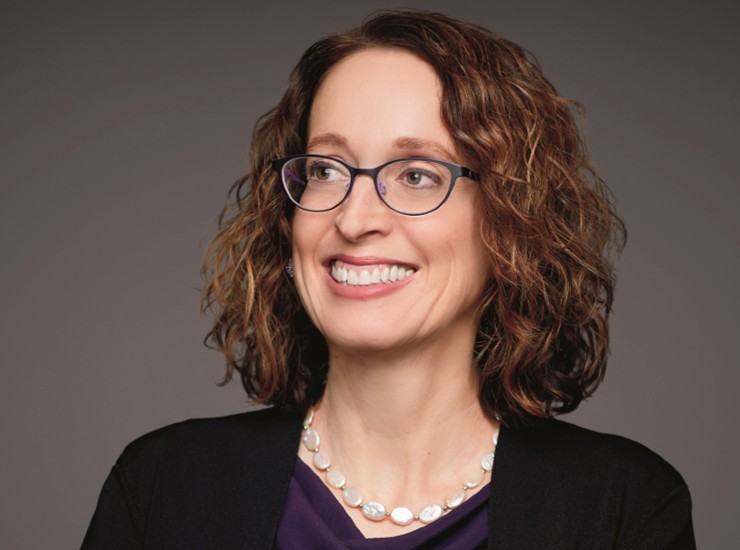
“Ah, but a man’s reach should exceed his grasp,” the poet Robert Browning once opined, “or what’s a heaven for?” That’s not […]
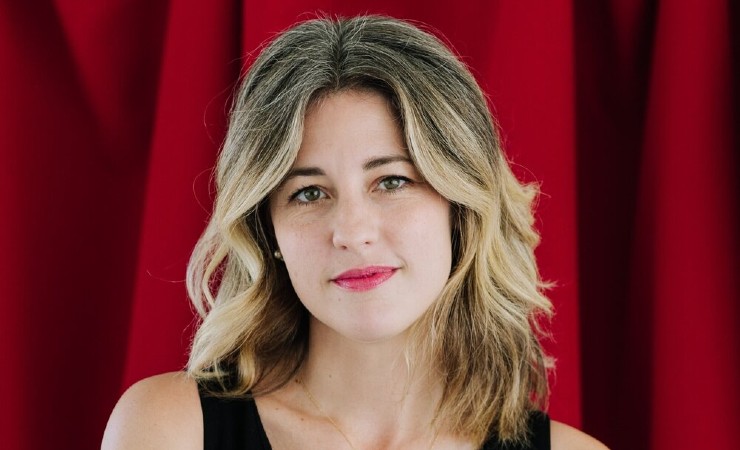
Kathryn Paige Harden, director of the Developmental Behavior Genetics Lab and co-director of the Texas Twin Project at the University of Texas, discusses how much influence our DNA has on our PhD.
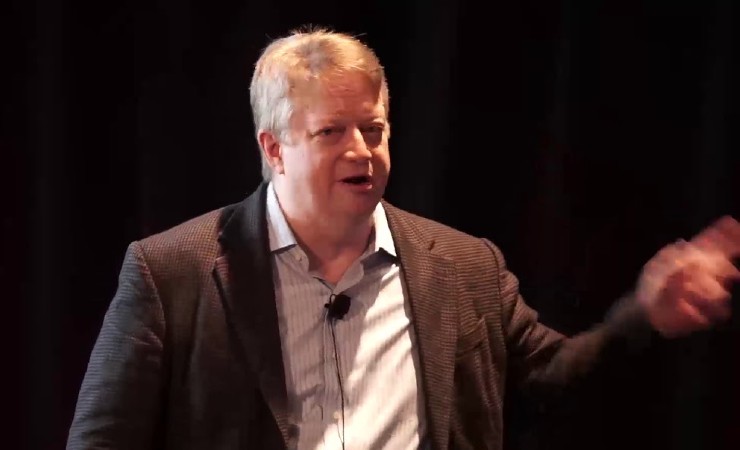
The Dunning-Kruger Effect, explains David Dunning, comes when “people who are incompetent or unskilled or not expert in a field lack expertise to recognize that they lack expertise. So they come to conclusions, decisions, opinions that they think are just fine when they’re, well, wrong.”