


Could Distributed Peer Review Better Decide Grant Funding?
The landscape of academic grant funding is notoriously competitive and plagued by lengthy, bureaucratic processes, exacerbated by difficulties in finding willing reviewers. Distributed […]
The reality regarding the current mental state of researchers around the world is explored in a comprehensive new survey.
Reimagining Higher Education is the second event in the Reimagining Social Institutions series of online forums sponsored by the Social Science Research Council and SAGE Publishing.

Kiren Shoman, the editorial director for SAGE Publishing, discusses what SAGE has learned from the higher ed sector as it reflects on how the pandemic response has affected teaching and what it expects once the new normal arrives.
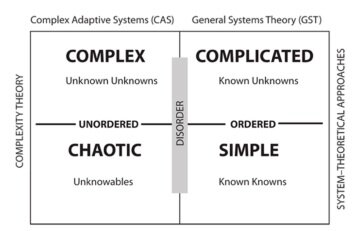
Cyrill Walters investigated the current styles of leadership in South African higher education institutions and has developed a model of the primary competencies leaders need.

Ellen Hutti and Jenine Harris have quantified the extent to which female authors are represented in assigned course readings. In this blog post, they emphasize that more equal exposure to experts with whom they can identify will better serve our students and foster the growth, diversity and potential of this future workforce. They also present one repository currently being built for readings by underrepresented authors that are Black, Indigenous or people of color.
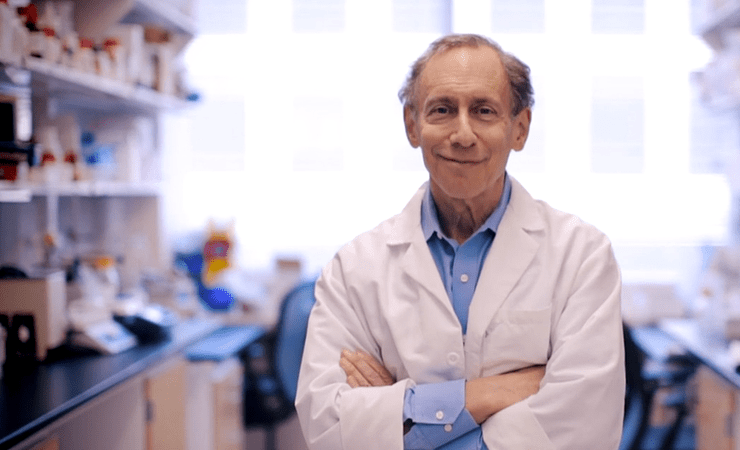
As part of the Impact at UTS podcast series, staff at University of Technology Sydney spoke to researchers about how they navigate collaboration, engagement – with communities, industry and government – and impact.

To what extent do the realities of social research in China live up to the favorable image created by job ads on academic recruitment sites?
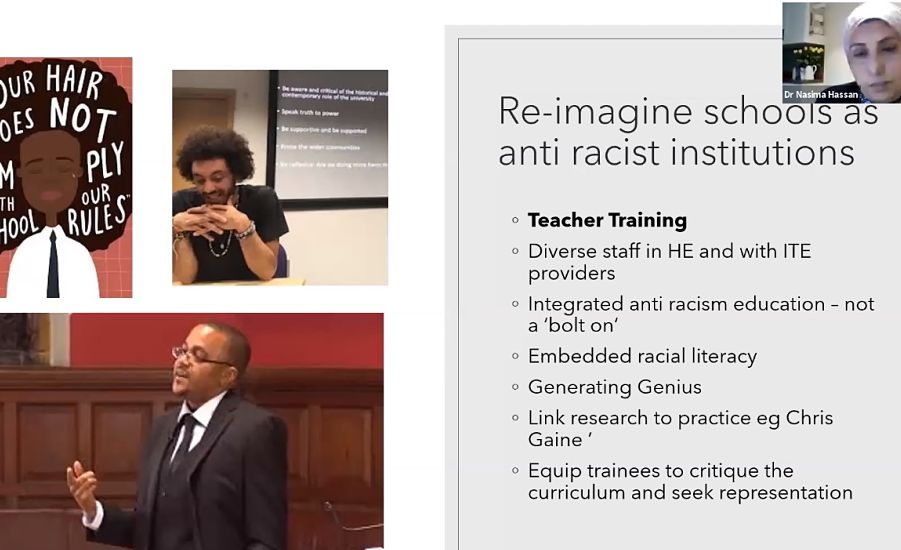
Given the turmoil that 2020 has brought to the world, can we “move beyond analysis to impact”? That was a question that animated the debut online event for the “Reimagining Social Institutions” series – “Reimagining Schools.”
Jürgen Habermas, a globally known social theorist whose explorations of democracy, validity and communication have gained new prominence in the current moment, […] People often see science as a world apart: cool, rational and untouched by persuasion or performance. In this view, scientists simply discover […] “Research impact” means different things to different people. Some refer broadly to how science changes behaviors, beliefs, or practices outside academic institutions. […] David Canter considers informal places where people socialize, suggesting they’re an arena ChatGPT and other LLMs can’no’t replicate. As someone who lives […] It’s become cliche since Clive Humbly coined it in 2006, but data is indeed the new oil. It’s a mantra repeated by […] In September 2025, The Guardian reported about a lawyer in Australia having faced sanctions due to false citations. These citations were not […]
EXPLORE
Impact

Jürgen Habermas, 1929-2026: Exponent of the Public Sphere
READ MORE

Scientists Should Keep in Mind It’s Called the ‘Marketplace of Ideas’ for a Reason
READ MORE

Survey Finds Social Scientists Feel Unsupported in Seeking Societal Impact
READ MORE
Innovation

Reaching Parts to Which AI Has No Access
READ MORE

Andrea Medina-Smith on Making Research Data More FAIR
READ MORE

A Status Check on Hallucinated Case Law Incidents
READ MORE