



Could Distributed Peer Review Better Decide Grant Funding?
The landscape of academic grant funding is notoriously competitive and plagued by lengthy, bureaucratic processes, exacerbated by difficulties in finding willing reviewers. Distributed […]

Research collaboration now involves significant online communication. But sending files back and forth between collaborators creates redundancy of effort, causes unnecessary delays and, many times, leaves people frustrated with the whole idea of collaboration. Christof Schöch looks at some web-based collaborative writing tools and presents some helpful tips on finding the right tool for the job.

The window closes Friday for applicants hoping to replace Paul Boyle as chief executive of Britain’s Economic and Social Research Council, according […]
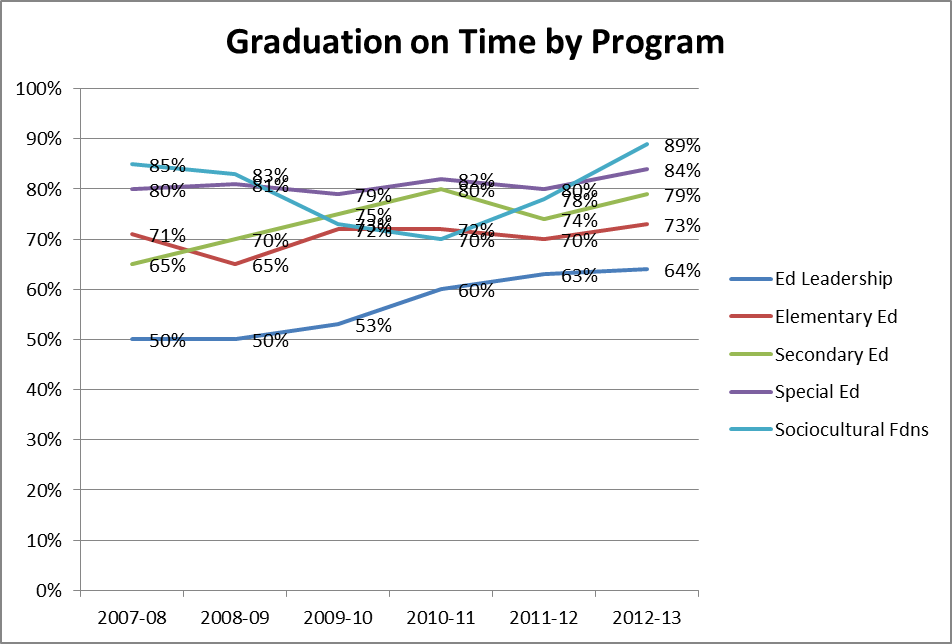
This how-to by information designer Stephanie Evergreen first appeared at SAGE Connection. *** Why even present data at all? Why bother to […]

This how-to by SAGE PR and Public Affairs Manager Camille Gamboa first appeared at SAGE Connection. *** With a brand new year […]

Leah Fargotstein, a social science journals editor at SAGE, recently sat on a panel where she was asked some basic, yet essential […]
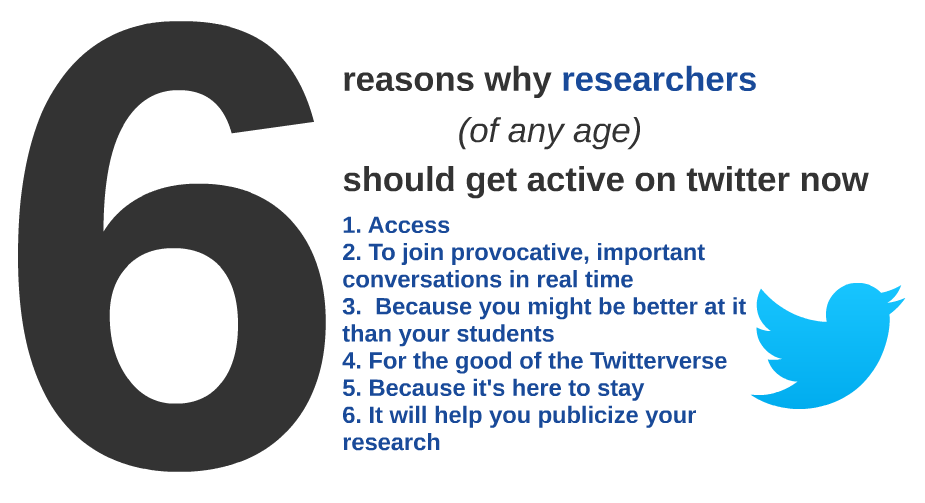
This post by SAGE’s Camille Gamboa first appeared at SAGE Connection under the title, “6 Reasons why researchers (of any age) should […]

Quite frequently nowadays, other professors ask me if they should be on Twitter, reports Hope Jahren, a scientist, blogger and not-so-secret agent for social media. “This is kind of sad,” I think to myself, “How did we get to the point where I’m giving computer advice?” I’ve decided to generously make my opinions available.

How does the experience of impermanent, precarious employment on the margins of academia affect young scholars’ ability to engage in creative labor? Is such creative labor still possible?

The Royal Swedish Academy of Sciences has awarded this year’s Nobel Prize in Economic Sciences to the American economists Robert E. Hall […] Four Americans working in the social and behavioral sciences are among the 20 people named MacArthur Fellows this year. Recipients may be […] Euan Adie, the founder of Altmetric and later of Overton, discusses the reasons the led to Overton’s focus on showing researchers how […] The following is an adapted extract from The Cultural Industries, fifth edition, by David Hesmondhalgh. The increasing presence of information technology (IT) […] Developers of AI data centers have a public trust problem. According to multiple surveys, a majority of Americans say they would oppose […] I was adding some final flourishes on the topic of ‘iatrocracy’ to my forthcoming book with Natewindé Sawadogo – Sickness and Social […]
EXPLORE
Impact

Economic Peaks, Troughs and This Year’s Nobelists in Economics
READ MORE

Four From Social Science World Receive 2026 MacArthur Fellowships
READ MORE

Quick Insight: Euan Adie on Getting Academics Credit for Their Impact
READ MORE
Innovation

IT Giants and Their Operations: Should We Be Concerned?
READ MORE

What We Miss When We Study Public Trust with Surveys Alone
READ MORE

AI and ‘Iatrocracy’ – A Cautionary Tale
READ MORE












































































