


Could Distributed Peer Review Better Decide Grant Funding?
The landscape of academic grant funding is notoriously competitive and plagued by lengthy, bureaucratic processes, exacerbated by difficulties in finding willing reviewers. Distributed […]
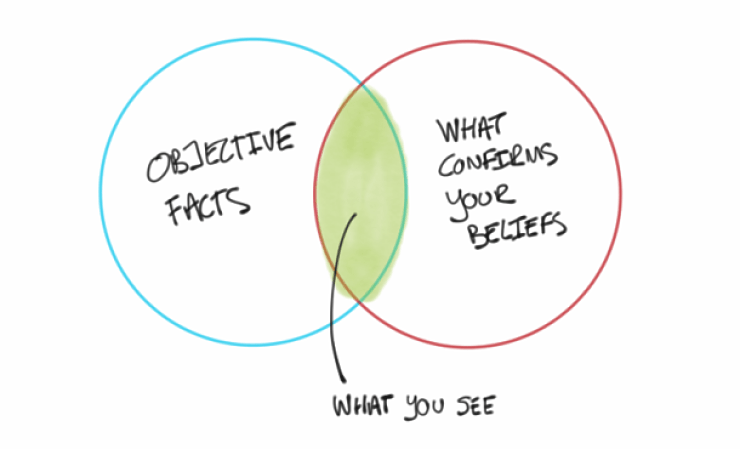
We expect to see confirmation bias play an active role in the politics, where there is a satisfying emotional payoff from assuming the worst of the other side. We do not expect the same phenomenon among highly educated professionals, especially in their seemingly well researched publications. And yet …

People have had a host of responses to lockdown living, ranging from cutting off all contact with others, to maintaining not only […]

The social sciences have a crucial role to play in the COVID-19 recovery, and in addressing many other challenges society faces. However, […]
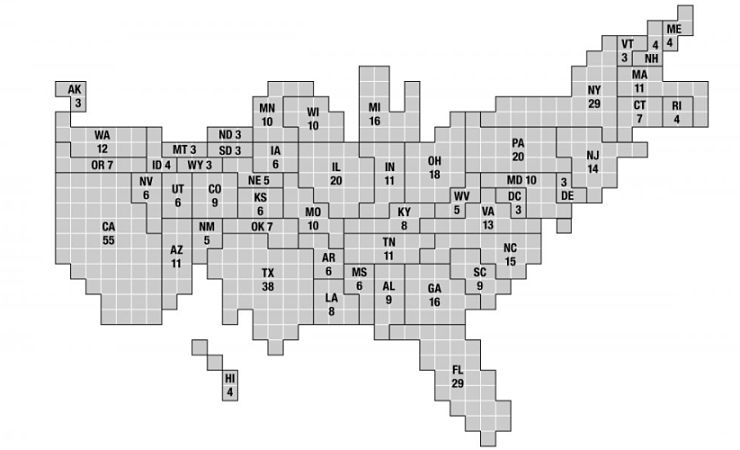
Political scientist Joshua Holzer identifies a number of proven electoral strategies used elsewhere that could replace the United States’ Electoral College.
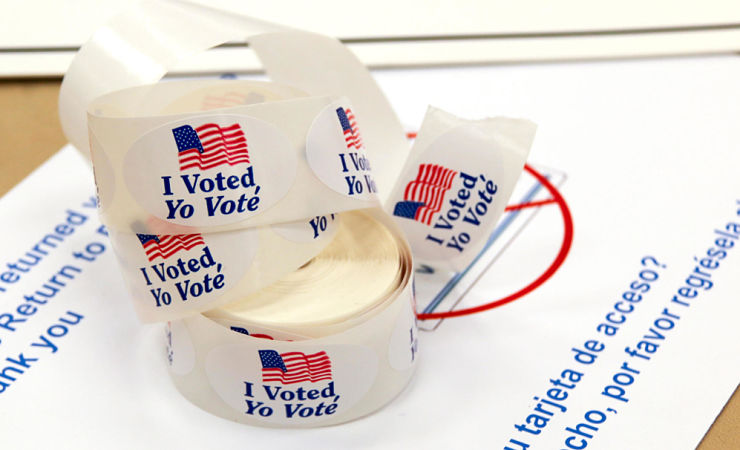
Whomever they vote for, says Cary Wu, Americans who are trusting are more likely to have either cast their ballots already or will on election day than Americans who do not trust easily.
If differing groups could be brought together cooperatively – not competitively – in a manner endorsed by both groups and where each side met on an equal footing, perhaps we could, as Salma Mousa puts it in this Social Science Bites podcast, “unlock tolerance on both sides and reduce prejudice.”
An online seminar hosted by the NAS’ Division of Behavioral and Social Sciences and Education featured a series of presentations on what can we do to lessen, reverse and even thrive in the face of changes wrought by the pandemic.
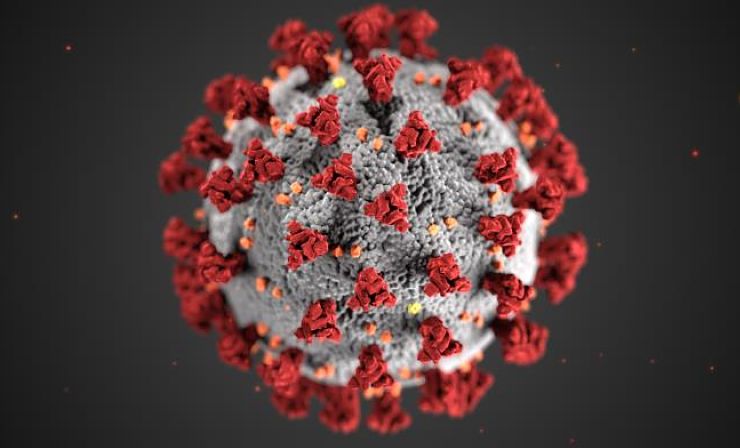
This guide of freely accessible research compiled from SAGE’s Coronavirus Research collection provides insight on what COVID-19 has revealed these past months and how we can utilize these lessons moving forward.

Four Americans working in the social and behavioral sciences are among the 20 people named MacArthur Fellows this year. Recipients may be […] Euan Adie, the founder of Altmetric and later of Overton, discusses the reasons the led to Overton’s focus on showing researchers how […] Here’s a couple of quick questions for you. What is the smallest of the eight discipline-based directorates at the United States’ National […] I was adding some final flourishes on the topic of ‘iatrocracy’ to my forthcoming book with Natewindé Sawadogo – Sickness and Social […] How is AI changing the shape and space of higher education? Critical thinking continues to rank highly among key skills and attributes […] My colleagues and I recently spoke with a group of talented, interesting students who just completed their first year of college about […]
EXPLORE
Impact
Four From Social Science World Receive 2026 MacArthur Fellowships
READ MORE

Quick Insight: Euan Adie on Getting Academics Credit for Their Impact
READ MORE

NSF’s Embattled SBE Directorate Shown as Agency’s Policy Heavyweight
READ MORE
Innovation

AI and ‘Iatrocracy’ – A Cautionary Tale
READ MORE

The Critical Student: How GenAI Reshapes Critical Skills and Higher Education’s Role Preparing Students For It
READ MORE

AI Doesn’t Drive Student Cheating. It Just Hitches a Ride
READ MORE