

Could Distributed Peer Review Better Decide Grant Funding?
The landscape of academic grant funding is notoriously competitive and plagued by lengthy, bureaucratic processes, exacerbated by difficulties in finding willing reviewers. Distributed […]

How can universities train our scientists, technologists and engineers to engage with society rather than perform as cogs in the engine of economic development? Author Richard Lachman asks for educational system to require STEM students to take art and humanities courses, not as an attempt to “broaden minds” but as a necessary discussion of morals, ethics and responsibility.
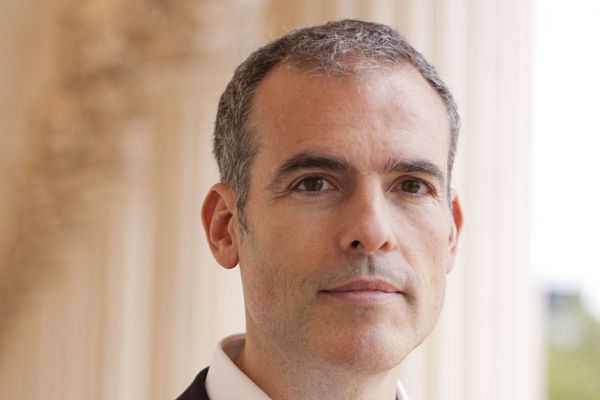
In a keynote address delivered to the London Info International conference, Ziyad Marar, president of global publishing for SAGE Publishing, outlines the intersection between big data and social science research. He notes that social and behavioral researchers have seen some opportunities as beyond their grasp, and that SAGE is working to bridge that gap.
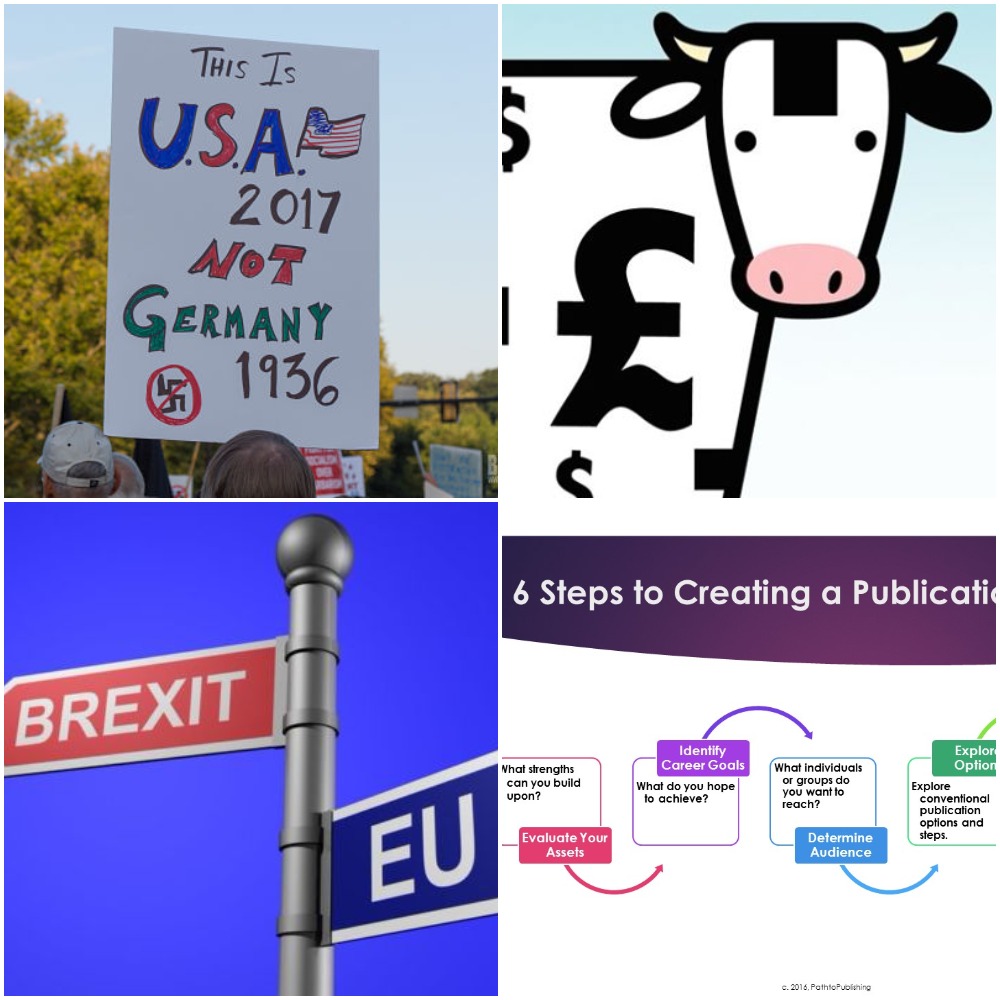
Last year Social Science Space presented more than 200 articles on the impact, infrastructure and industry surrounding social and behavioral science and research. Looking back over those articles, we’ve chosen a few of special merit. Social Science Space plans to continue to provide the latest that the new year has to offer. Stay up to date with us to see what is in store.
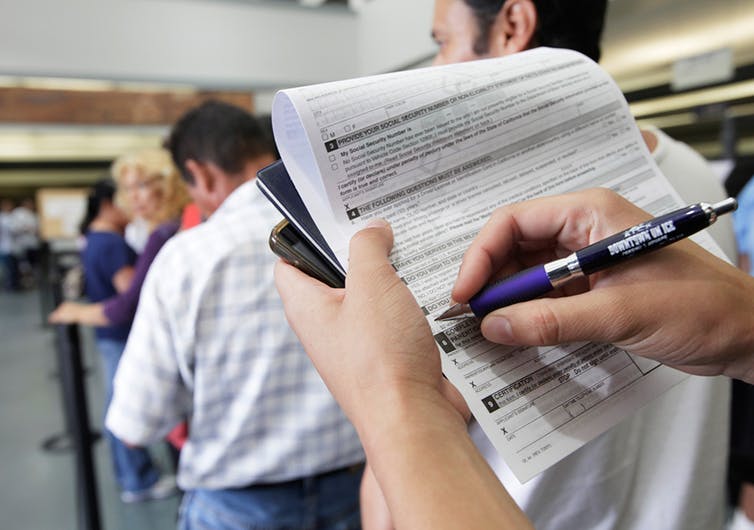
The year 2017 turned out to be the start for mainstream behavioral economics after a leading practitioner in the field won a Nobel prize for his work. Throughout 2017, The Conversation asked experts in economics, psychology and other areas to address the power of this burgeoning field, as well as its potential for misuse. Here are some articles for your consideration.
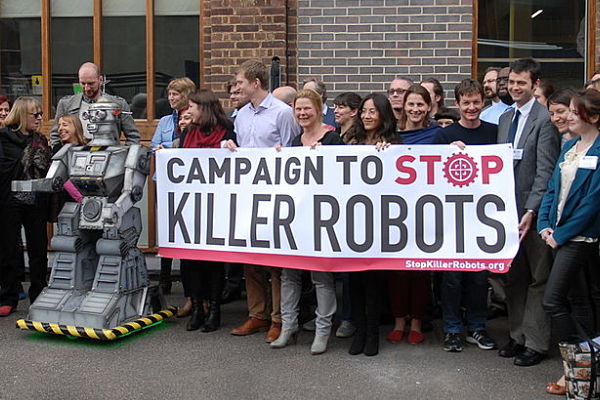
The big questions posed by our digital future sit at the intersection of technology and ethics. This is complex territory that requires input from experts in many different fields, including the social sciences, if we are to navigate it successfully. A new report makes an effort to give a first draft of that necessary input.
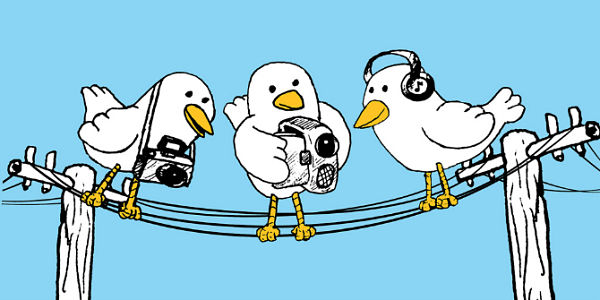
The success of academic research in reaching out beyond its own scientific community is a perennial concern, even more so following the rapid adoption of social media and the ability to easily transmit information to potentially millions of people. But is increased social media attention really indicative of “broader impact”? A new study suggests social media does not broaden scientific communication, but rather replicates and perpetuates pre-established disciplinary boundaries.

Increasingly, write Ashley Frawley and Daniel Nehring, the waning societal valuation of the arts and social sciences is seen in these terms—if their value to a company’s bottom line is at all in question, then their entire raison d’etre is in doubt. Reversing this trend may involve some unpalatable decisions.
Researchers and Authors from a variety of fields have an opportunity to share their innovations with a called for papers at the Technology, Mind and Society conference. Authors topics should include but are not limited to artificial intelligence, robotics, mobile devices, and more. Share your innovations here.

Euan Adie, the founder of Altmetric and later of Overton, discusses the reasons the led to Overton’s focus on showing researchers how […] Here’s a couple of quick questions for you. What is the smallest of the eight discipline-based directorates at the United States’ National […] Sage’s 10-Year Impact Awards recognize academic papers appearing in Sage-published journals that have achieved lasting impact. The winning papers are the most […] I was adding some final flourishes on the topic of ‘iatrocracy’ to my forthcoming book with Natewindé Sawadogo – Sickness and Social […] How is AI changing the shape and space of higher education? Critical thinking continues to rank highly among key skills and attributes […] My colleagues and I recently spoke with a group of talented, interesting students who just completed their first year of college about […]
EXPLORE
Impact

Quick Insight: Euan Adie on Getting Academics Credit for Their Impact
READ MORE

NSF’s Embattled SBE Directorate Shown as Agency’s Policy Heavyweight
READ MORE

Sage’s 10-Year Impact Awards Capture Longer-Term Significance
READ MORE
Innovation

AI and ‘Iatrocracy’ – A Cautionary Tale
READ MORE

The Critical Student: How GenAI Reshapes Critical Skills and Higher Education’s Role Preparing Students For It
READ MORE

AI Doesn’t Drive Student Cheating. It Just Hitches a Ride
READ MORE