

Could Distributed Peer Review Better Decide Grant Funding?
The landscape of academic grant funding is notoriously competitive and plagued by lengthy, bureaucratic processes, exacerbated by difficulties in finding willing reviewers. Distributed […]
As part of their impact agenda, universities increasingly promote and train academics to carry out research collaborations across disciplines and with non-academic partners. While this can be impactful, Helen B. Woods argues that attempts to direct research in this way can produce inauthentic collaboration, and suggests an ideas-led approach.
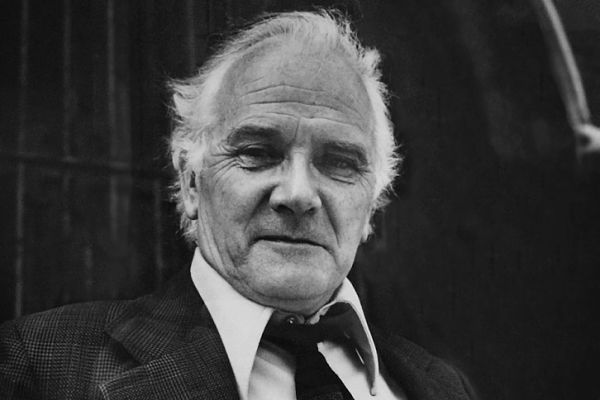
In the last 20 years or so there has been much excitement, particularly in science and technology studies, about Actor-Network Theory. One of its most distinctive features is the way in which it ascribes agency to material objects. Perhaps we should not be crediting Bruno Latour or Michel Callon with the original insight – but an English humourist, Paul Jennings.
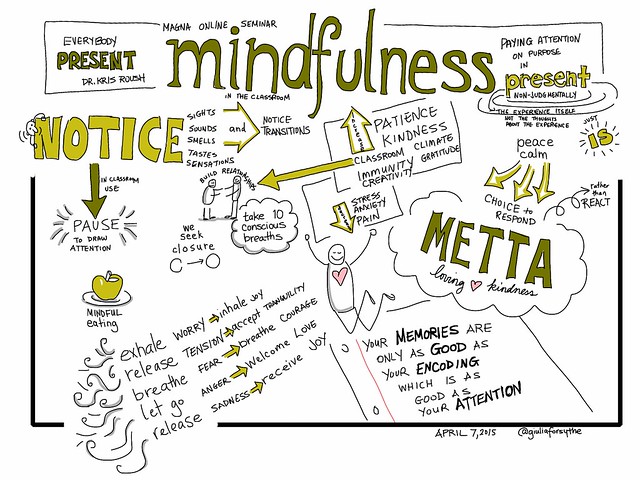
The popularization of mindfulness, write Daniel Nehring and Ashley Frawley, cannot just be understood as a recent response to public perceptions of a mental health crisis. Rather, it is the result of developments in academic psychology, in its clinical uses in psychotherapy, and in its growing commercial exploitation from the 1980s onwards.

A new machine learning tool can detect and classify different strengths of Islamophobic hate speech on Twitter. Bertie Vidgen and Taha Yasseri explain their processes in creating a new tool that detects Islamophobic hate speech on Twitter.
Danielle Tomasello describes The Social Scientist, a non-profit networking and outreach community of STEM professionals. Our volunteers answer questions that will benefit scientists’ interests, including a view of their work, environment and what it took for them to get there.
The National Academies of Sciences, Engineering, and Medicine established a committee of experts to conduct a study on how citizen science projects can be better designed to support science learning. The committee was tasked with identifying and describing existing citizen science, to develop a set of evidence-based principles to guide the design of citizen science projects.
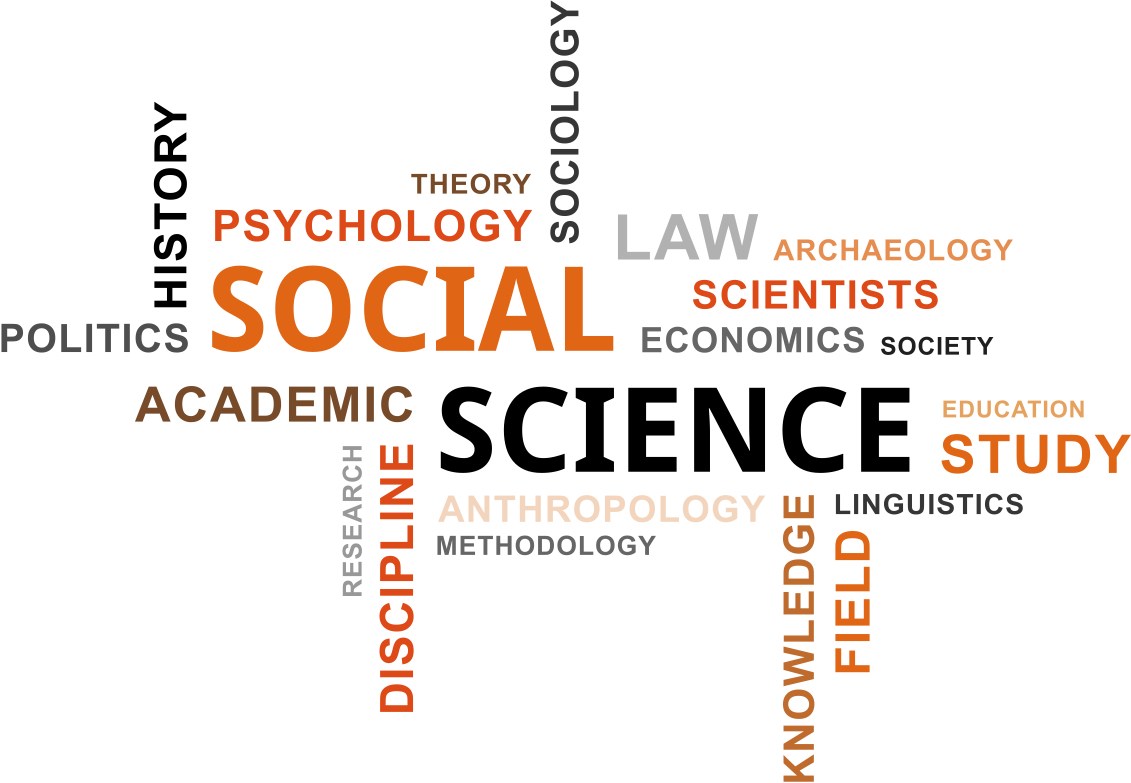
Calling all social scientists. How were you trained? How are you keeping up (or not) with new developments in this rapidly changing digital world? How are you training your students? This was the subject of an event sponsored by SAGE Ocean as part of the ESRC’s 2018 Festival of Social Science. Comment on the post

A workshop conducted by the Humane Metrics Initiative earlier this year explored whether the humble syllabus should be treated as a scholarly work on its own merits, and if so, how the authors of any syllabi should be recognized.

Euan Adie, the founder of Altmetric and later of Overton, discusses the reasons the led to Overton’s focus on showing researchers how […] Here’s a couple of quick questions for you. What is the smallest of the eight discipline-based directorates at the United States’ National […] Sage’s 10-Year Impact Awards recognize academic papers appearing in Sage-published journals that have achieved lasting impact. The winning papers are the most […] I was adding some final flourishes on the topic of ‘iatrocracy’ to my forthcoming book with Natewindé Sawadogo – Sickness and Social […] How is AI changing the shape and space of higher education? Critical thinking continues to rank highly among key skills and attributes […] My colleagues and I recently spoke with a group of talented, interesting students who just completed their first year of college about […]
EXPLORE
Impact

Quick Insight: Euan Adie on Getting Academics Credit for Their Impact
READ MORE

NSF’s Embattled SBE Directorate Shown as Agency’s Policy Heavyweight
READ MORE

Sage’s 10-Year Impact Awards Capture Longer-Term Significance
READ MORE
Innovation

AI and ‘Iatrocracy’ – A Cautionary Tale
READ MORE

The Critical Student: How GenAI Reshapes Critical Skills and Higher Education’s Role Preparing Students For It
READ MORE

AI Doesn’t Drive Student Cheating. It Just Hitches a Ride
READ MORE