


Could Distributed Peer Review Better Decide Grant Funding?
The landscape of academic grant funding is notoriously competitive and plagued by lengthy, bureaucratic processes, exacerbated by difficulties in finding willing reviewers. Distributed […]

Academia has long recognized that wicked problems require cross-disciplinary research approaches, yet Australia’s Science and Research Priorities enthrall mainly STEM researchers. This divide puts academia back into silos: those on the sunny side of funding decisions and those under a constant rain cloud.
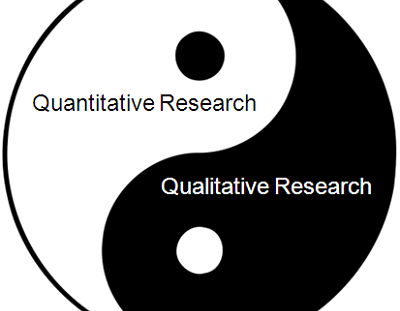
Methods have never been more pragmatic, more eclectic, and more dynamic than they are today, says Alex Clark, the editor of the International Journal of Qualitative Methods.

‘Interdisciplinarity lies not above the academy, but in its very foundations,’ say the co-authors of a new report looking at this issue.

Bully for the researchers who have developed a vaccine can build resistance against some instances of malaria, says Robert Dingwall. But before the WHO recommends for its adoption, he suggests a harder look at user-centered design and cost-benefit analysis may be in order.

The challenge of infusing the social sciences into what are generally viewed as biomedical issues has been a long and difficult one, as the recent WHO report on Ebola demonstrates. Oddly, this lesson has been learned many times before, but keeps getting forgotten.
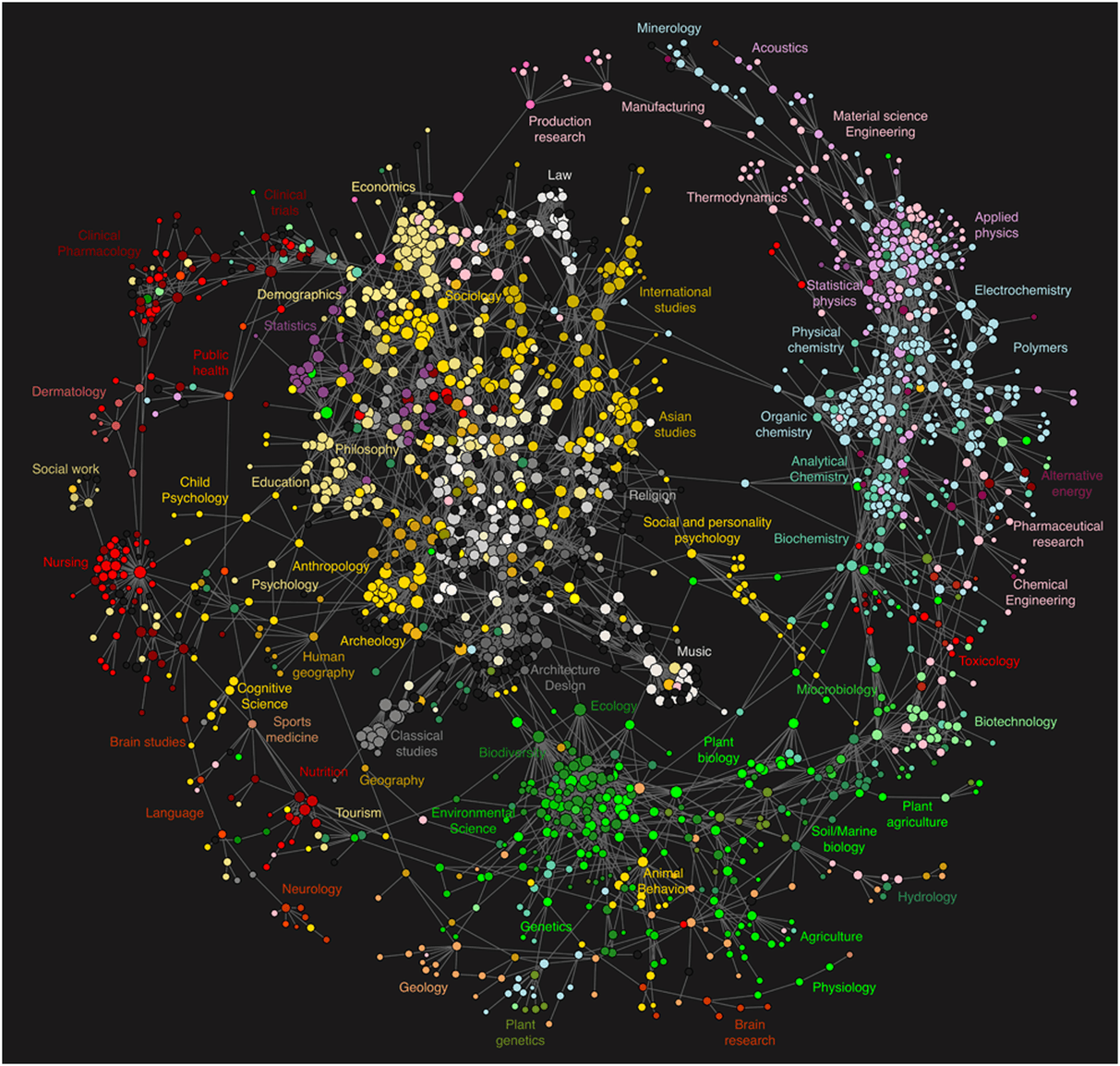
Interdisciplinarityfor interdisciplinarity’s sake is fraught, argues Merlin Crossley. We should build bridges linking the tops of silos rather than try to break down silos themselves.

The arrival of a report calling for the British government to better support social science has raised questions about the role, responses and responsibilities of a ‘public sociology.’
Pleased with its debut team of social and behavioral scientists working to make federal policy better, the White House is seeking more members for its version of a ‘nudge’ unit. The deadline to apply is April 12.

Jürgen Habermas, a globally known social theorist whose explorations of democracy, validity and communication have gained new prominence in the current moment, […] People often see science as a world apart: cool, rational and untouched by persuasion or performance. In this view, scientists simply discover […] “Research impact” means different things to different people. Some refer broadly to how science changes behaviors, beliefs, or practices outside academic institutions. […] David Canter considers informal places where people socialize, suggesting they’re an arena ChatGPT and other LLMs can’no’t replicate. As someone who lives […] It’s become cliche since Clive Humbly coined it in 2006, but data is indeed the new oil. It’s a mantra repeated by […] In September 2025, The Guardian reported about a lawyer in Australia having faced sanctions due to false citations. These citations were not […]
EXPLORE
Impact

Jürgen Habermas, 1929-2026: Exponent of the Public Sphere
READ MORE

Scientists Should Keep in Mind It’s Called the ‘Marketplace of Ideas’ for a Reason
READ MORE

Survey Finds Social Scientists Feel Unsupported in Seeking Societal Impact
READ MORE
Innovation

Reaching Parts to Which AI Has No Access
READ MORE

Andrea Medina-Smith on Making Research Data More FAIR
READ MORE

A Status Check on Hallucinated Case Law Incidents
READ MORE