


Could Distributed Peer Review Better Decide Grant Funding?
The landscape of academic grant funding is notoriously competitive and plagued by lengthy, bureaucratic processes, exacerbated by difficulties in finding willing reviewers. Distributed […]

As conversations around decolonization in universities are being afforded greater urgency, some key risks of this institutional capture or inertia to wider decolonization efforts are described by Rima Saini.
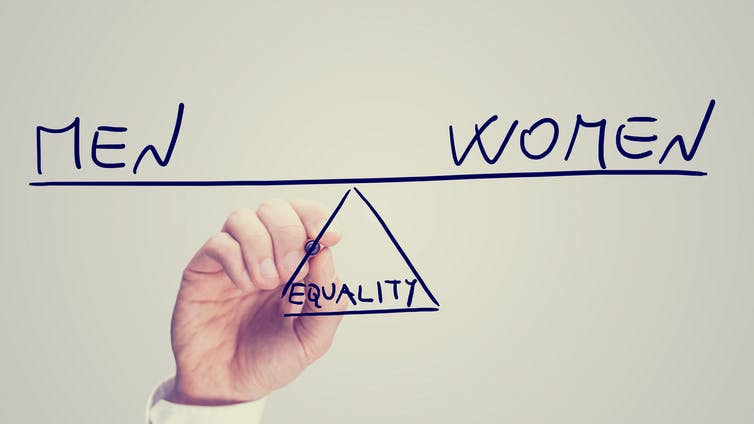
Women are facing additional constraints as a result of COVID-19. These range from the added burdens and responsibilities of working from home, through to the fact that fewer women scientists are being quoted as experts on COVID-19, all the way to far fewer women being part of the cohort producing new knowledge on the pandemic.
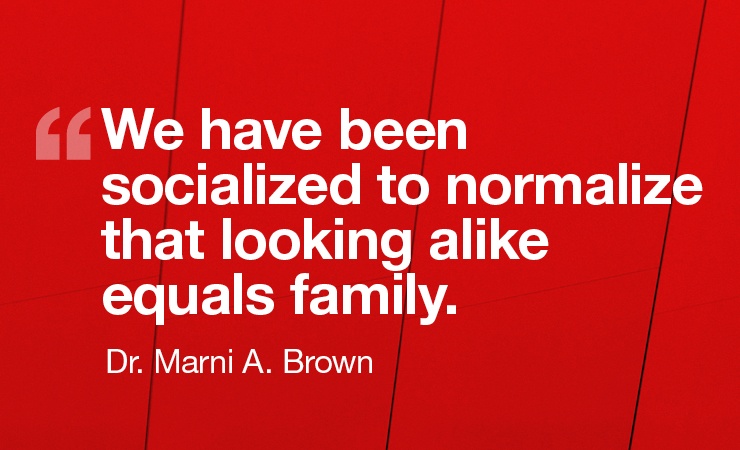
Marni Brown found herself pondering, “Why does race matter in this selection process and why do lesbians, in general, want their offspring to look like them? Is the desire for our children to look like us actuality a cover-up for racially driven decisions that perpetuate inequality in already marginalized communities?”
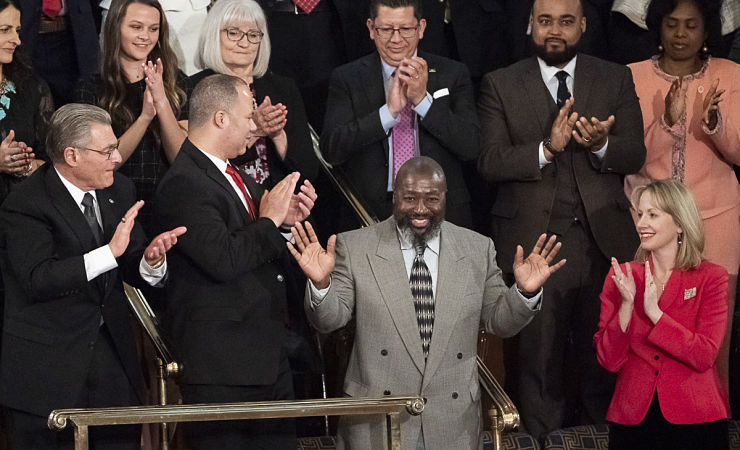
here’s a fact Cynthia Golembeski learned while researching criminal justice reform and teaching college classes in prisons: the reason the transition to life outside the corrections system is so hard is that there are more than 44,000 indirect consequences of a criminal conviction.
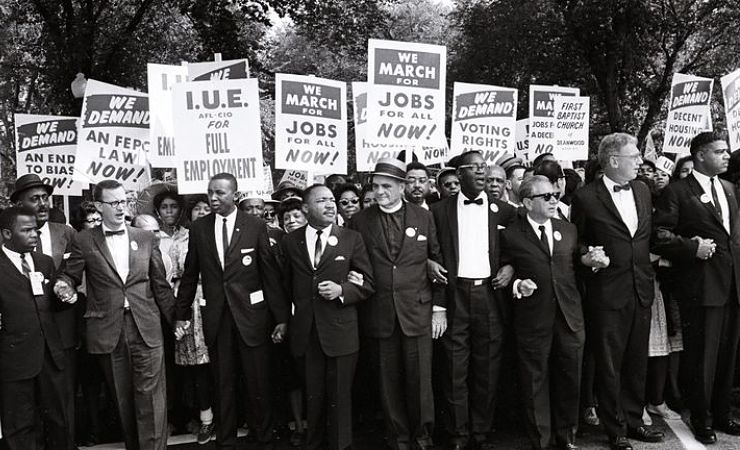
Are we on the cusp of a vibrant social movement that will produce major transformations in our practices and policies? Or are we fated to see the communal expressions of grief and calls for change dissolve into contentious policy debates that may result in relatively modest reforms unequal to the fervent hopes now spinning in the streets?
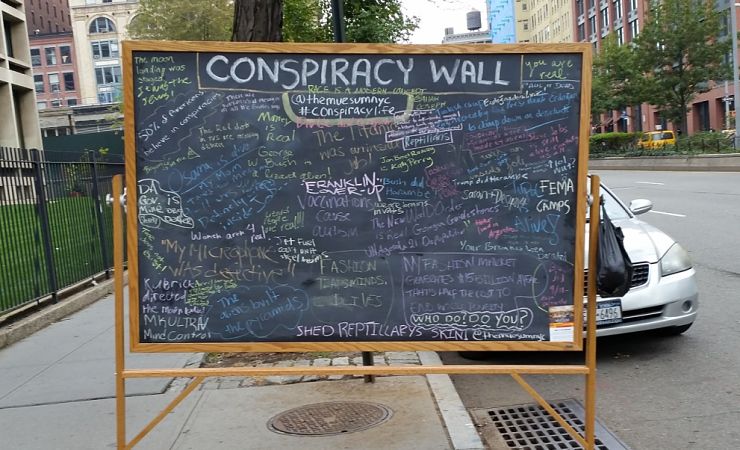
Ever since the coronavirus spread across the world, suspicions have proliferated about what is really going on. Questions arose about the origins […]

Stephanie A. Jirard, professor of criminal justice at Shippensburg University in Pennsylvania and author of Criminal Law and Procedure: A Courtroom Approach, […]
Noting the value of straight and cisgender allies in LGBTQ inclusion effort, David Glasgow describes his NYU center’s model for a three-stage process of developing allyship.

Jürgen Habermas, a globally known social theorist whose explorations of democracy, validity and communication have gained new prominence in the current moment, […] People often see science as a world apart: cool, rational and untouched by persuasion or performance. In this view, scientists simply discover […] “Research impact” means different things to different people. Some refer broadly to how science changes behaviors, beliefs, or practices outside academic institutions. […] David Canter considers informal places where people socialize, suggesting they’re an arena ChatGPT and other LLMs can’no’t replicate. As someone who lives […] It’s become cliche since Clive Humbly coined it in 2006, but data is indeed the new oil. It’s a mantra repeated by […] In September 2025, The Guardian reported about a lawyer in Australia having faced sanctions due to false citations. These citations were not […]
EXPLORE
Impact

Jürgen Habermas, 1929-2026: Exponent of the Public Sphere
READ MORE

Scientists Should Keep in Mind It’s Called the ‘Marketplace of Ideas’ for a Reason
READ MORE

Survey Finds Social Scientists Feel Unsupported in Seeking Societal Impact
READ MORE
Innovation

Reaching Parts to Which AI Has No Access
READ MORE

Andrea Medina-Smith on Making Research Data More FAIR
READ MORE

A Status Check on Hallucinated Case Law Incidents
READ MORE