

Could Distributed Peer Review Better Decide Grant Funding?
The landscape of academic grant funding is notoriously competitive and plagued by lengthy, bureaucratic processes, exacerbated by difficulties in finding willing reviewers. Distributed […]
The Federation of Humanities and Social Sciences of Canada has settled on the sitting public affairs chief of the Canadian Cancer Society as the federation’s new permanent executive director.

Is Trump’s presidency part of a larger movement toward a solipsistic world? asks Peter Neal Peregrine. And if so, which solipsist gets to say what is fact and what is not? And where does that leave science?

The UK science policy establishment has been remarkably sanguine in the face of its government’s plans for Brexit, argues Robert Dingwall.
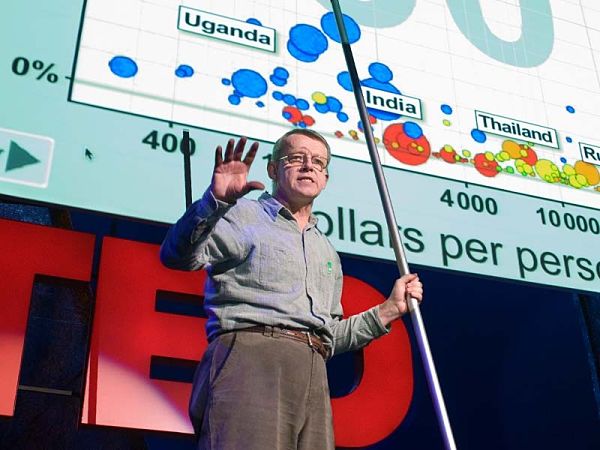
Hans Rosling, a epidemiologist whose gained global attention with twin messages of the power of stats and of hope, has died.

The value in economics lies not in some magical ability to divine the future. Tell that to the policymakers who expect their fortunes told.
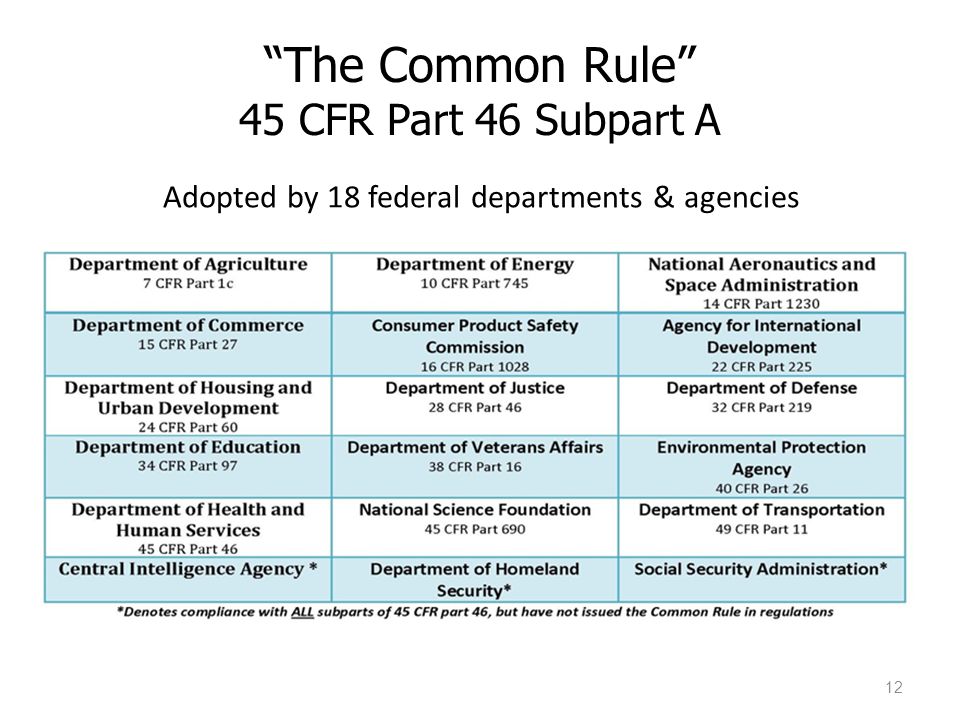
The rush to publish a revised Common Rule for federally funded human research in the United States has created a flawed regulatory regime, says Robert Dingwall., Time to tear the whole edifice down and start over, he suggests.

Anthony King, a political scientist whose career ranged from the most serious of scholarship to popular explanation on the BBC, has died at 82.
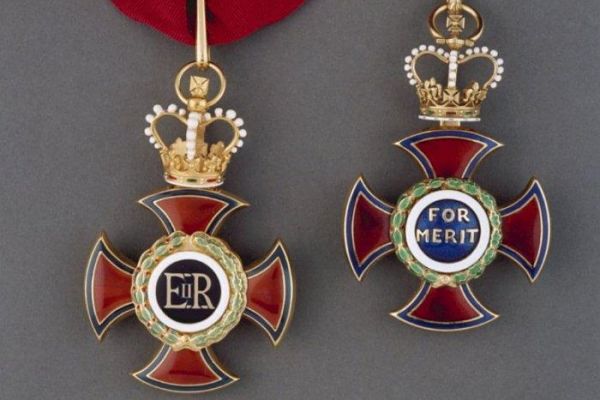
Our Robert Dingwall reflects on Tinder’s in-house sociologist and on the just-announced New Year’s Honours list to question just how diverse are current understandings of diversity.
Jürgen Habermas, a globally known social theorist whose explorations of democracy, validity and communication have gained new prominence in the current moment, […] People often see science as a world apart: cool, rational and untouched by persuasion or performance. In this view, scientists simply discover […] “Research impact” means different things to different people. Some refer broadly to how science changes behaviors, beliefs, or practices outside academic institutions. […] David Canter considers informal places where people socialize, suggesting they’re an arena ChatGPT and other LLMs can’no’t replicate. As someone who lives […] It’s become cliche since Clive Humbly coined it in 2006, but data is indeed the new oil. It’s a mantra repeated by […] In September 2025, The Guardian reported about a lawyer in Australia having faced sanctions due to false citations. These citations were not […]
EXPLORE
Impact

Jürgen Habermas, 1929-2026: Exponent of the Public Sphere
READ MORE

Scientists Should Keep in Mind It’s Called the ‘Marketplace of Ideas’ for a Reason
READ MORE

Survey Finds Social Scientists Feel Unsupported in Seeking Societal Impact
READ MORE
Innovation

Reaching Parts to Which AI Has No Access
READ MORE

Andrea Medina-Smith on Making Research Data More FAIR
READ MORE

A Status Check on Hallucinated Case Law Incidents
READ MORE