

Could Distributed Peer Review Better Decide Grant Funding?
The landscape of academic grant funding is notoriously competitive and plagued by lengthy, bureaucratic processes, exacerbated by difficulties in finding willing reviewers. Distributed […]
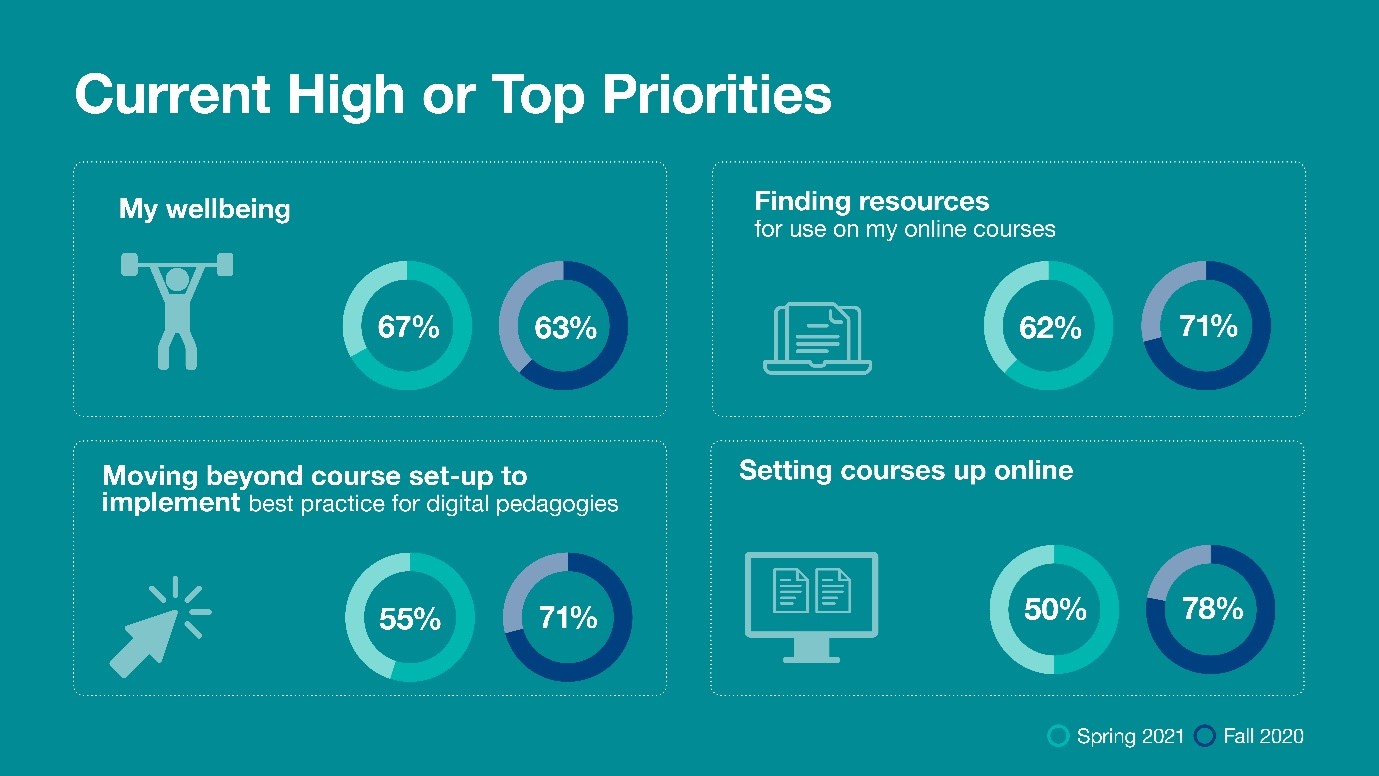
Academic staff have been working harder than ever, and after an incredibly tough 18 months they are now prioritizing their wellbeing as a top concern. What can academic publishers learn from this?

A troubling turn in the public policy management of the COVID-19 pandemic has been the increasing tendency to justify interventions by assertions […]
SAGE has launched a new webpage, Business & Management Impact, with a range of free resources for researchers, instructors, students, and policymakers. […]

The times they are a-changin’ for higher education. Or so say a growing number of commentators. They see COVID-19 disruptions as a […]
Imagine two doctors presented with identical information about the same patient giving very different diagnoses. Now imagine the reason for the difference […]

The impact of the pandemic on all sectors is only beginning to emerge and given the need for greater flexibility, adaptability and […]

The American Sociological Association is pleased to announce the results of their 2021 ASA elections. Congratulations to the 2022-2023 President Prudence Carter […]
For the first time, the Congress of the Humanities and Social Sciences – Canada’s largest industry event and one of most comprehensive […]

The Royal Swedish Academy of Sciences has awarded this year’s Nobel Prize in Economic Sciences to the American economists Robert E. Hall […] Four Americans working in the social and behavioral sciences are among the 20 people named MacArthur Fellows this year. Recipients may be […] Euan Adie, the founder of Altmetric and later of Overton, discusses the reasons the led to Overton’s focus on showing researchers how […] The following is an adapted extract from The Cultural Industries, fifth edition, by David Hesmondhalgh. The increasing presence of information technology (IT) […] Developers of AI data centers have a public trust problem. According to multiple surveys, a majority of Americans say they would oppose […] I was adding some final flourishes on the topic of ‘iatrocracy’ to my forthcoming book with Natewindé Sawadogo – Sickness and Social […]
EXPLORE
Impact

Economic Peaks, Troughs and This Year’s Nobelists in Economics
READ MORE
Four From Social Science World Receive 2026 MacArthur Fellowships
READ MORE

Quick Insight: Euan Adie on Getting Academics Credit for Their Impact
READ MORE
Innovation
IT Giants and Their Operations: Should We Be Concerned?
READ MORE

What We Miss When We Study Public Trust with Surveys Alone
READ MORE

AI and ‘Iatrocracy’ – A Cautionary Tale
READ MORE