

Could Distributed Peer Review Better Decide Grant Funding?
The landscape of academic grant funding is notoriously competitive and plagued by lengthy, bureaucratic processes, exacerbated by difficulties in finding willing reviewers. Distributed […]

Simon Ball, Head of the School of Humanities at the University of Glasgow, discusses the dangers of Gold Route OA to the Humanities and scholarship in general.

A group of scholars and experts who are not traditionally associated with the social sciences were found in one location discussing the important accomplishments of social and behavioral scientists.

Much of the debate on Open Access has concentrated on the shift from a subscription model that opens access for authors, while […]
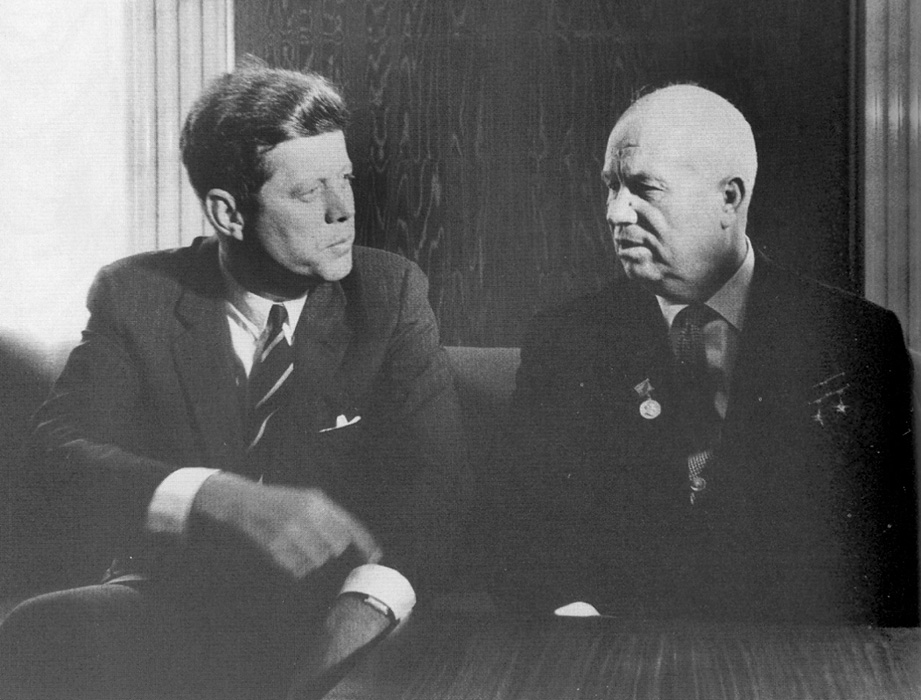
50 years on, the Cuban Missile Crisis may still prove to be one of the most important events in understanding modern International diplomacy.


If we can model the diffusion of drug markets, can we also begin to model the effects of these markets on social problems, including child abuse and neglect?

Although by no means a household word, “drug courts” have been among the most studied criminal justice interventions of the past two decades. So what are these courts, and why do they matter?
In February 2013 The British Library will be holding its annual open days for doctoral students in social sciences. These days are […]
Jürgen Habermas, a globally known social theorist whose explorations of democracy, validity and communication have gained new prominence in the current moment, […] People often see science as a world apart: cool, rational and untouched by persuasion or performance. In this view, scientists simply discover […] “Research impact” means different things to different people. Some refer broadly to how science changes behaviors, beliefs, or practices outside academic institutions. […] David Canter considers informal places where people socialize, suggesting they’re an arena ChatGPT and other LLMs can’no’t replicate. As someone who lives […] It’s become cliche since Clive Humbly coined it in 2006, but data is indeed the new oil. It’s a mantra repeated by […] In September 2025, The Guardian reported about a lawyer in Australia having faced sanctions due to false citations. These citations were not […]
EXPLORE
Impact

Jürgen Habermas, 1929-2026: Exponent of the Public Sphere
READ MORE

Scientists Should Keep in Mind It’s Called the ‘Marketplace of Ideas’ for a Reason
READ MORE

Survey Finds Social Scientists Feel Unsupported in Seeking Societal Impact
READ MORE
Innovation

Reaching Parts to Which AI Has No Access
READ MORE

Andrea Medina-Smith on Making Research Data More FAIR
READ MORE

A Status Check on Hallucinated Case Law Incidents
READ MORE