

Could Distributed Peer Review Better Decide Grant Funding?
The landscape of academic grant funding is notoriously competitive and plagued by lengthy, bureaucratic processes, exacerbated by difficulties in finding willing reviewers. Distributed […]
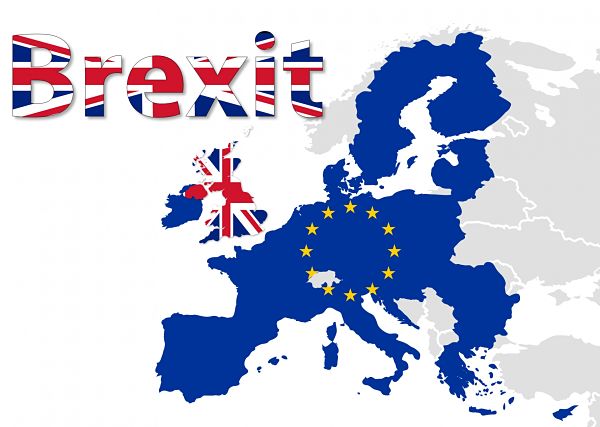
in the wake of the leavers winning the Brexit vote, the British Academy of Social Sciences predicts uncertainty for the social science community, ‘with implications for research funding, international collaboration, freedom of movement, and capacity building.’
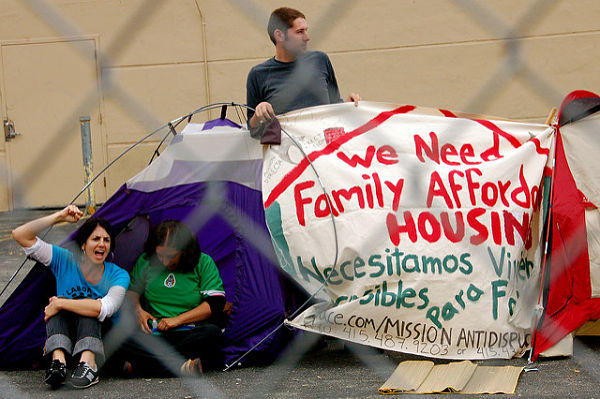
Nico Calavita is, by his own admission, a sort of accidental activist scholar. Now, after a career in which he’s become a recognized expert on the tools and provision of affordable housing, Calavita has been honored with the Marilyn J. Gittell Activist Scholar Award, sponsored by the Urban Affairs Association and SAGE Publishing.

Several recent reports from members of Congress that take potshots at what a quick look suggests is silly scientific research has led a pair of coalitions to explain just how important it is to look at whole story before rushing to judgment.

Even if you say you don’t mind the government knowing what you do on social media, recent research suggests you tamp down your own opinions when reminded of the possibility of being found out.
There are some cherished myths about diversity that aren’t supported by the research evidence. While these myths are appealing on a societal level, says Alice H, Eagly, it’s a mistake to allow distortions to remain unchallenged.

After a breakthough at a poster session for a discipline not her own, a senior academic offered the evidence that led President Obama to loosen up the regulatory yoke that was scaring researchers into the scariest life forms on Earth.
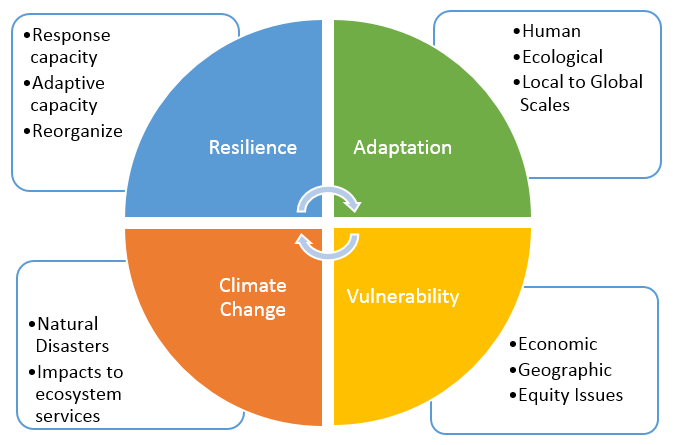
As we are often reminded, we urgently and drastically need to limit our use of one shared resource – fossil fuels – and its effect on another – the climate. But how realistic is this goal, both for national leaders and for us? Well, psychology may hold some answers.
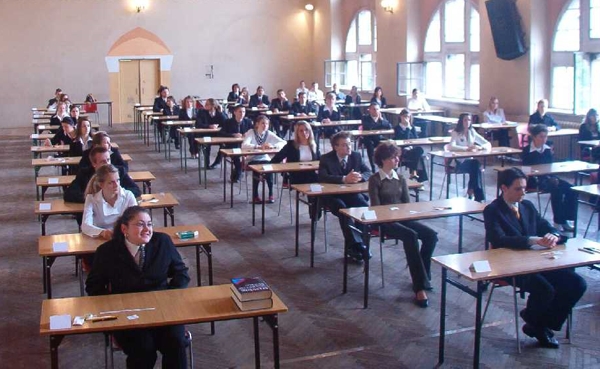
The current A-Level exams in psychology taken by British teens reflect a curriculum focusing on ‘problems’ within individuals, argue two UK psychologists, rather than taking into account the influence of society on people’s actions and behavior.
Jürgen Habermas, a globally known social theorist whose explorations of democracy, validity and communication have gained new prominence in the current moment, […] People often see science as a world apart: cool, rational and untouched by persuasion or performance. In this view, scientists simply discover […] “Research impact” means different things to different people. Some refer broadly to how science changes behaviors, beliefs, or practices outside academic institutions. […] David Canter considers informal places where people socialize, suggesting they’re an arena ChatGPT and other LLMs can’no’t replicate. As someone who lives […] It’s become cliche since Clive Humbly coined it in 2006, but data is indeed the new oil. It’s a mantra repeated by […] In September 2025, The Guardian reported about a lawyer in Australia having faced sanctions due to false citations. These citations were not […]
EXPLORE
Impact

Jürgen Habermas, 1929-2026: Exponent of the Public Sphere
READ MORE

Scientists Should Keep in Mind It’s Called the ‘Marketplace of Ideas’ for a Reason
READ MORE

Survey Finds Social Scientists Feel Unsupported in Seeking Societal Impact
READ MORE
Innovation

Reaching Parts to Which AI Has No Access
READ MORE

Andrea Medina-Smith on Making Research Data More FAIR
READ MORE

A Status Check on Hallucinated Case Law Incidents
READ MORE