


Could Distributed Peer Review Better Decide Grant Funding?
The landscape of academic grant funding is notoriously competitive and plagued by lengthy, bureaucratic processes, exacerbated by difficulties in finding willing reviewers. Distributed […]
The Rita Allen Foundation, and NASEM are offering awards to support the formation and development of collaborative researcher–practitioner partnerships. To apply for these awards, submit a joint proposal that describes the rationale for your partnership. Apply by July 1st.
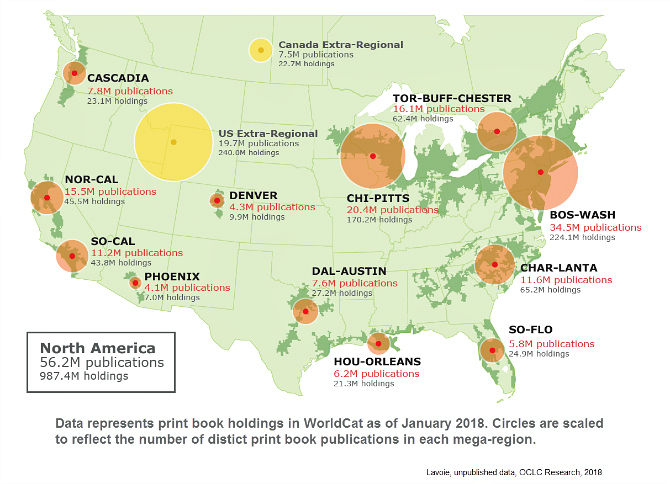
WorldCat, an aggregate database of library catalogs worldwide, was primarily set up to aid libraries in carrying out their work in areas such as cataloging or resource sharing. Brian Lavoie offers an insight into the types of questions WorldCat data can provide answers to, and how research of this kind also amplifies the value and impact of library collections.
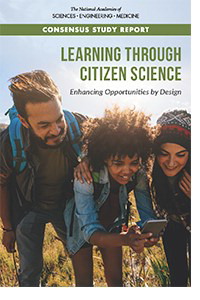
The National Academies of Sciences, Engineering, and Medicine established a committee of experts to conduct a study on how citizen science projects can be better designed to support science learning. The committee was tasked with identifying and describing existing citizen science, to develop a set of evidence-based principles to guide the design of citizen science projects.
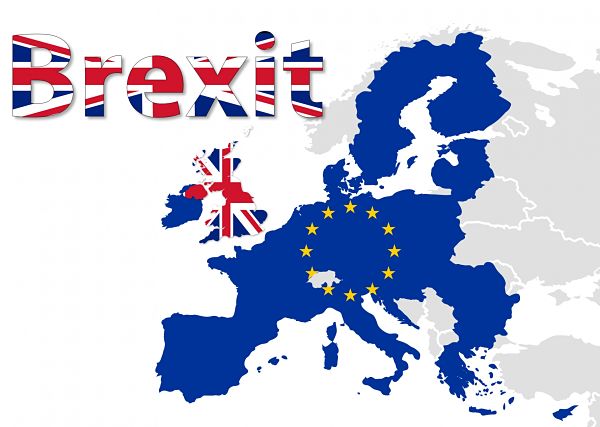
In the latest of its monthly series of interdisciplinary microsites addressing important public issues, SAGE Publishing is offering free access to a suite academic articles that focus on the ramifications of Britain’s exit from the European Union. The content will remain ungated until April 5.

Last year Social Science Space presented more than 200 articles on the impact, infrastructure and industry surrounding social and behavioral science and research. Here we chose a few of special merit to highlight what went on in 2018. Click the links mentioned to review the full post and/or podcast.

Virtual Reality technology is opening previously locked doors to researchers in the social sciences. But how viable is it really as a research tool? We take a look back over the history of experimental research in human perception and response to consider the future of VR in experimental design.
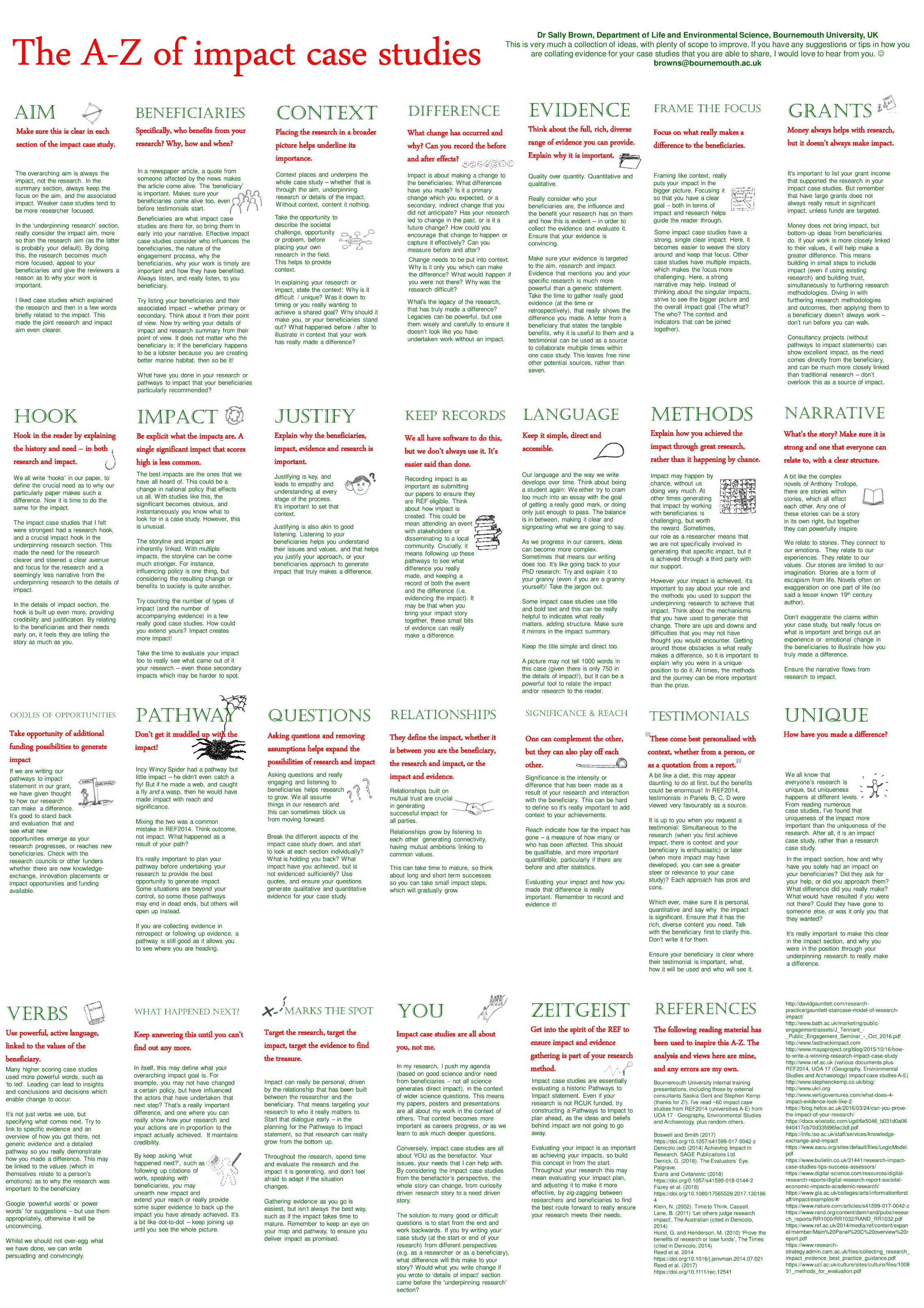
With submission to REF 2021 now less than two years away, university staff and academics are stepping up work to present their best examples of research impact. Sally Brown has compiled this useful A to Z to form compelling impact case studies.

Calling all social scientists. How were you trained? How are you keeping up (or not) with new developments in this rapidly changing digital world? How are you training your students? This was the subject of an event sponsored by SAGE Ocean as part of the ESRC’s 2018 Festival of Social Science. Comment on the post

The Royal Swedish Academy of Sciences has awarded this year’s Nobel Prize in Economic Sciences to the American economists Robert E. Hall […] Four Americans working in the social and behavioral sciences are among the 20 people named MacArthur Fellows this year. Recipients may be […] Euan Adie, the founder of Altmetric and later of Overton, discusses the reasons the led to Overton’s focus on showing researchers how […] The following is an adapted extract from The Cultural Industries, fifth edition, by David Hesmondhalgh. The increasing presence of information technology (IT) […] Developers of AI data centers have a public trust problem. According to multiple surveys, a majority of Americans say they would oppose […] I was adding some final flourishes on the topic of ‘iatrocracy’ to my forthcoming book with Natewindé Sawadogo – Sickness and Social […]
EXPLORE
Impact
Economic Peaks, Troughs and This Year’s Nobelists in Economics
READ MORE

Four From Social Science World Receive 2026 MacArthur Fellowships
READ MORE
Quick Insight: Euan Adie on Getting Academics Credit for Their Impact
READ MORE
Innovation

IT Giants and Their Operations: Should We Be Concerned?
READ MORE

What We Miss When We Study Public Trust with Surveys Alone
READ MORE

AI and ‘Iatrocracy’ – A Cautionary Tale
READ MORE