



Could Distributed Peer Review Better Decide Grant Funding?
The landscape of academic grant funding is notoriously competitive and plagued by lengthy, bureaucratic processes, exacerbated by difficulties in finding willing reviewers. Distributed […]

The outbreak of COVID-19 has seen many universities closing campuses and shifting learning online. It’s unprecedented and suddenly puts ed tech front and center in a way it hasn’t been before. For those of us who have been doing online learning or distance ed for a while it can seem a bit irritating to have been seen as second class for so long and then suddenly deemed worthy of interest. So here’s some useful bits for those without that pedigree.

Hundreds of thousands of teachers are busy working to move their face-to-face lessons online. Designing online courses takes significant time and effort.
Right now, however, we need a simpler formula. Here are 14 quick tips to make online teaching better, from an expert in online learning.

What can I do to increase the chances of having my paper accepted? How long does it take for an article to get published? Who are good contacts to reach out to for more information about my article along the way? How can I play a role in the dissemination of my paper? Our free webinar will guide you through the author journey, from beginning to end. Featuring Jessica Lipowski, Publishing Editor at SAGE, and a panel of Editors-in-Chief from various disciplines, including management, medicine, and health, this webinar will break down each step of the process and detail best practices for authors or those who want to be authors, as well as answer your questions about the process.

Choice is overwhelming. This should be no surprise to anyone who has spent a good few hours in a department store looking for the right pair of jeans. What if you’re a researcher looking at the landscape of technological tools available for data collection, analysis, or participant recruitment? A new white paper from SAGE has some answers.

Method Space is hosting a free webinar about the book-writing/publishing process in full, from acquisition to publication. Make sure to register before November 14th!
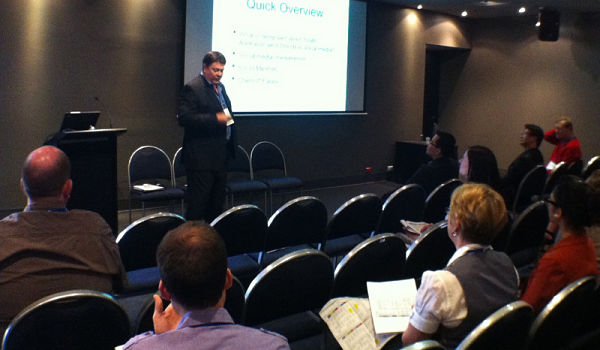
Individuals find it harder to cover conference costs – and departments or research groups have fewer resources to support them. It is not hard to see why there is a sense of grievance. On the other hand, it is not so easy to see what can be done.

Transcribing can be a pain, and although recent progress in speech recognition software has helped, it remains a challenge. Speech recognition programs, do, however, raise ethical/consent issues: what if person-identifiable interview data is transcribed or read by someone who was not given the consent to do so? Furthermore, some conversational elements aren’t transcribed well by pattern recognition programs.
Can social science’s impact be boiled down to improving and enriching lives? In recent years, there has been an uptake in requirements […]

The Royal Swedish Academy of Sciences has awarded this year’s Nobel Prize in Economic Sciences to the American economists Robert E. Hall […] Four Americans working in the social and behavioral sciences are among the 20 people named MacArthur Fellows this year. Recipients may be […] Euan Adie, the founder of Altmetric and later of Overton, discusses the reasons the led to Overton’s focus on showing researchers how […] The following is an adapted extract from The Cultural Industries, fifth edition, by David Hesmondhalgh. The increasing presence of information technology (IT) […] Developers of AI data centers have a public trust problem. According to multiple surveys, a majority of Americans say they would oppose […] I was adding some final flourishes on the topic of ‘iatrocracy’ to my forthcoming book with Natewindé Sawadogo – Sickness and Social […]
EXPLORE
Impact

Economic Peaks, Troughs and This Year’s Nobelists in Economics
READ MORE

Four From Social Science World Receive 2026 MacArthur Fellowships
READ MORE

Quick Insight: Euan Adie on Getting Academics Credit for Their Impact
READ MORE
Innovation

IT Giants and Their Operations: Should We Be Concerned?
READ MORE

What We Miss When We Study Public Trust with Surveys Alone
READ MORE

AI and ‘Iatrocracy’ – A Cautionary Tale
READ MORE