

Could Distributed Peer Review Better Decide Grant Funding?
The landscape of academic grant funding is notoriously competitive and plagued by lengthy, bureaucratic processes, exacerbated by difficulties in finding willing reviewers. Distributed […]
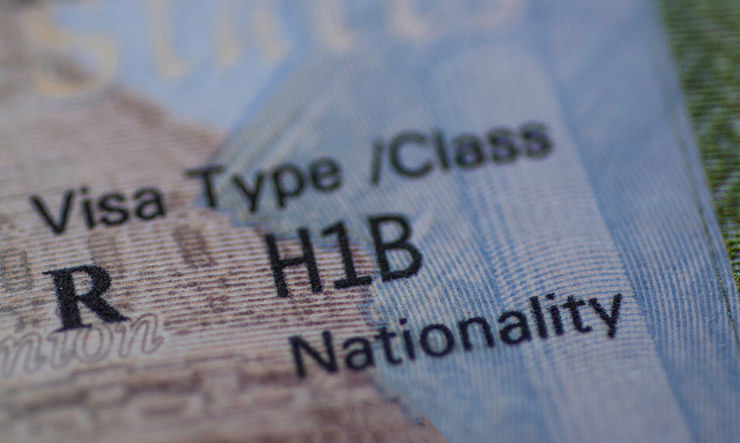
Quite often discussions about skilled migrants center on the receiving country’s reaction to the migrants, rather than the experiences of the migrants themselves. In this article from the Journal of Management, Phyllis Tharenou, vice president and executive dean of the College of Business, Government and Law of Flinders University, and Carol T. Kulik, a research professor of human resource management at the University of South Australia Business School, address this absence specifically in the academic management literature.

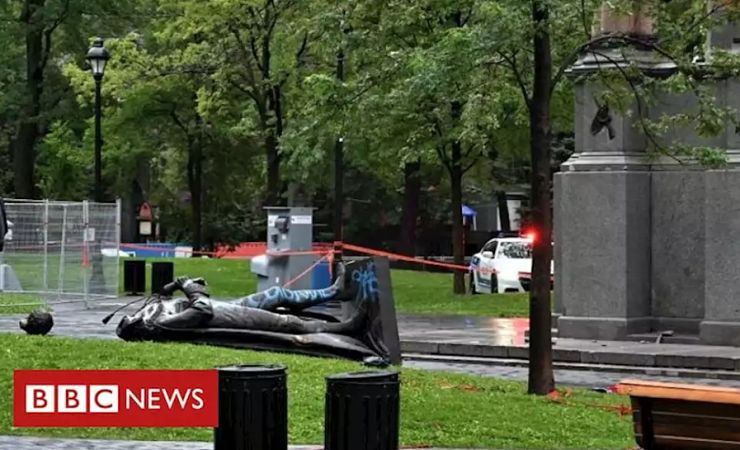
It is to get rid of non-productive Chinese in the Chinese community, who are non-productive and in the words of George Bernard […]
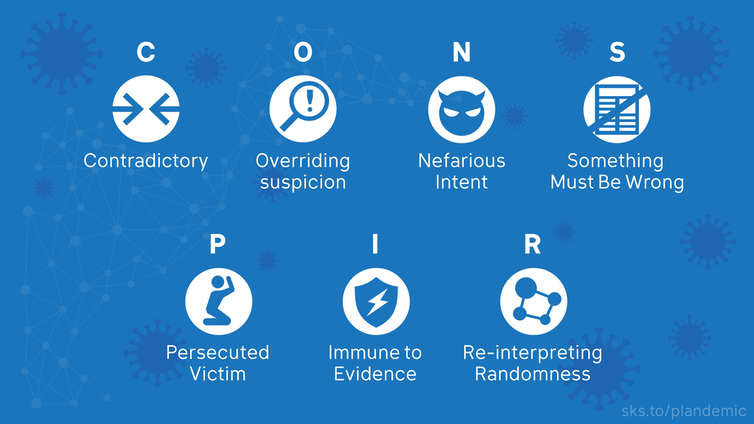
As scholars who research how to counter science misinformation and conspiracy theories, we believe there is also value in exposing the rhetorical techniques used in the viral video Plandemic. There are seven distinctive traits of conspiratorial thinking. Plandemic offers textbook examples of them all.
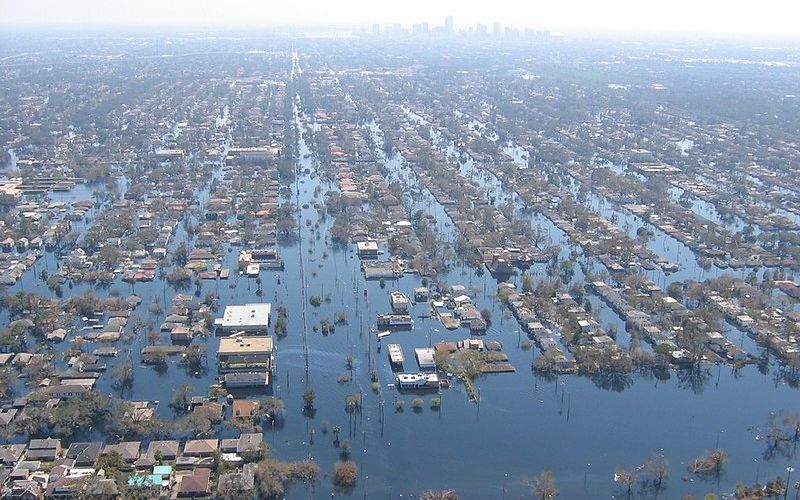
David Canter considers the social psychological processes that turn emergencies into disasters.
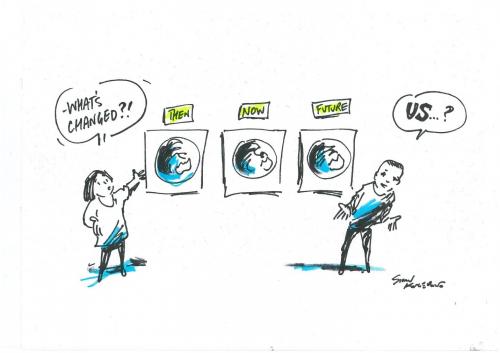
Michael Quinn Patton, a giant in the field of evaluation, has been getting queries from colleagues young and old, novice evaluators and long-time practitioners, asking how he’s making sense of the global health emergency and what I think the implications may be for evaluation. Her’s his take on where we are and what it means.

By offering a broad overview of the open data movement’s first 10 years, the editors of a recent collection of essays hope to provide an account that helps practitioners, policy-makers, community advocates, and anyone else in the open data movement, to progress the movement over the next 10 years…
Academic freedom is under threat everywhere. Not only do some countries perpetrate direct attacks on students and scholars. But the internationalization of higher education has also created new global threats for both scholars and students. Here is how to defend academic freedom.
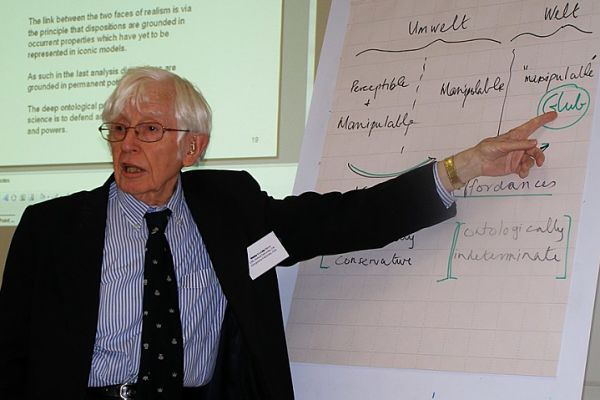
Rom Harré, a philosopher deeply engaged in critically examining the attributes and vulnerabilities of the social sciences, and who was both an early computational researcher and an incredibly prolific academic author, died October 17 at age 91.

Jürgen Habermas, a globally known social theorist whose explorations of democracy, validity and communication have gained new prominence in the current moment, […] People often see science as a world apart: cool, rational and untouched by persuasion or performance. In this view, scientists simply discover […] “Research impact” means different things to different people. Some refer broadly to how science changes behaviors, beliefs, or practices outside academic institutions. […] David Canter considers informal places where people socialize, suggesting they’re an arena ChatGPT and other LLMs can’no’t replicate. As someone who lives […] It’s become cliche since Clive Humbly coined it in 2006, but data is indeed the new oil. It’s a mantra repeated by […] In September 2025, The Guardian reported about a lawyer in Australia having faced sanctions due to false citations. These citations were not […]
EXPLORE
Impact
Jürgen Habermas, 1929-2026: Exponent of the Public Sphere
READ MORE

Scientists Should Keep in Mind It’s Called the ‘Marketplace of Ideas’ for a Reason
READ MORE

Survey Finds Social Scientists Feel Unsupported in Seeking Societal Impact
READ MORE
Innovation

Reaching Parts to Which AI Has No Access
READ MORE

Andrea Medina-Smith on Making Research Data More FAIR
READ MORE

A Status Check on Hallucinated Case Law Incidents
READ MORE