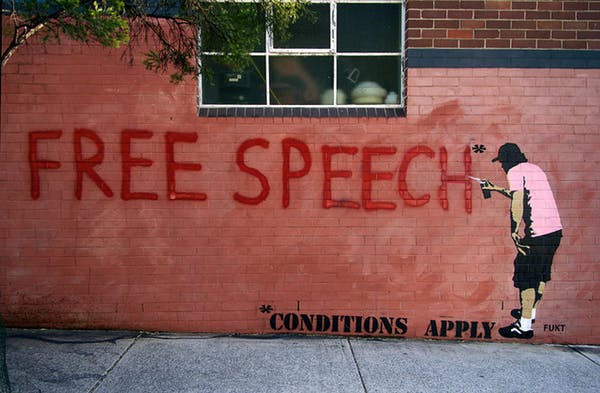

Could Distributed Peer Review Better Decide Grant Funding?
The landscape of academic grant funding is notoriously competitive and plagued by lengthy, bureaucratic processes, exacerbated by difficulties in finding willing reviewers. Distributed […]
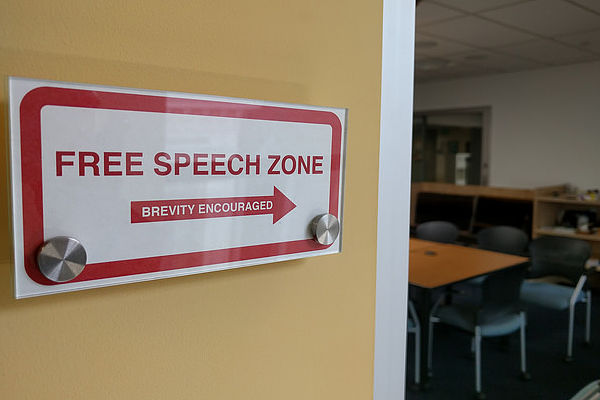
Researches at the University of Florida’s Brechner Center for Freedom of Information have studied the rights of public employees when they speak with the news media. Here, they look specifically at professors at public universities in the United States and find there are broad protections – within limits.
The former president of the University of Saskatchewan argues that freedom of expression is under attack in Canada’s universities through an accumulation of episodes that diminish its significance and through a vector of intellectual laziness accompanied by ideology and anger.
The same day that the U.S. Attorney General Jeff Sessions called for “a national recommitment to free speech on campus” before an audience at Georgetown University, the American Library Association’s Office for Intellectual Freedom, SAGE Publishing, and Index on Censorship magazine hosted a webinar on “Disinvited Speakers and Academic Freedom.”
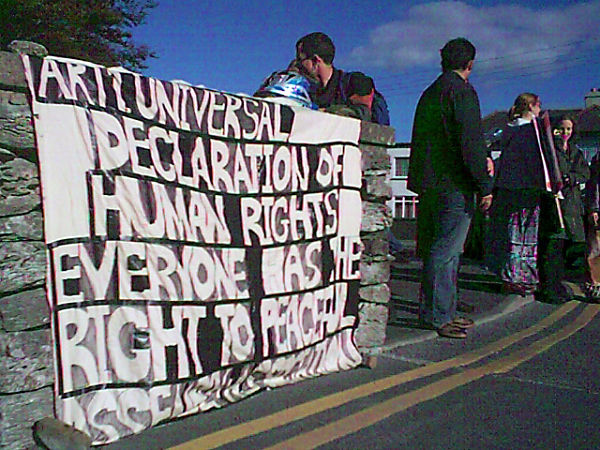
The response on many universities to a high tide of intolerance has been to limit free speech. That, says James Turk, is exactly the wrong response.
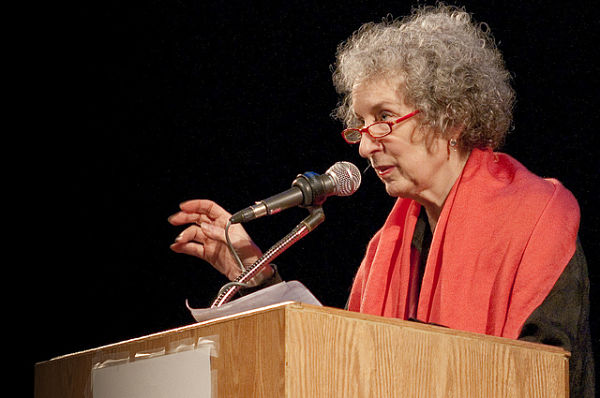
A concern for free expression and respect for science journalism are two themes Canadian novelist Margaret Atwood expounds on in an article in the newest edition of ‘Index on Censorship.’
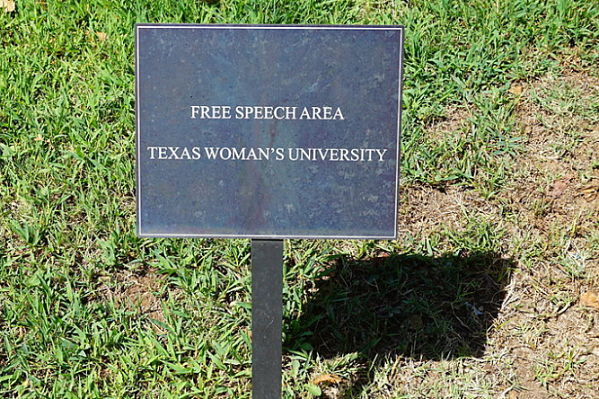
Around the United States, state lawmakers have been talking about – and legislating – ways intended to protect free speech on college campuses. Bt some of the approaches may do more harm than good, argues Neal Hutchens.
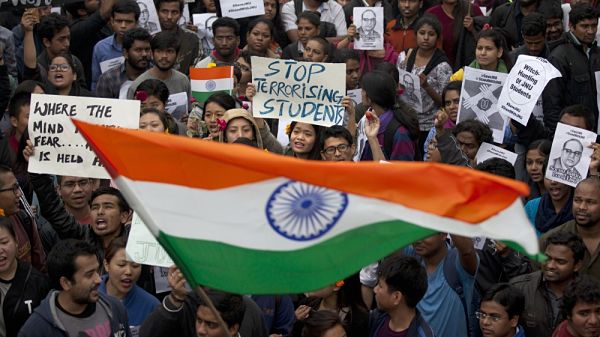
The only way out of the current state of tension for Indian universities, argues political scientists Aftab Alam, is for the institutions to learn to tolerate everything except intolerance.
As sociology has drifted further and further from any conservative touchstones, argues Robert Dingwall, it has become less and less able to understand the society that provides its subsistence.

Jürgen Habermas, a globally known social theorist whose explorations of democracy, validity and communication have gained new prominence in the current moment, […] People often see science as a world apart: cool, rational and untouched by persuasion or performance. In this view, scientists simply discover […] “Research impact” means different things to different people. Some refer broadly to how science changes behaviors, beliefs, or practices outside academic institutions. […] David Canter considers informal places where people socialize, suggesting they’re an arena ChatGPT and other LLMs can’no’t replicate. As someone who lives […] It’s become cliche since Clive Humbly coined it in 2006, but data is indeed the new oil. It’s a mantra repeated by […] In September 2025, The Guardian reported about a lawyer in Australia having faced sanctions due to false citations. These citations were not […]
EXPLORE
Impact

Jürgen Habermas, 1929-2026: Exponent of the Public Sphere
READ MORE

Scientists Should Keep in Mind It’s Called the ‘Marketplace of Ideas’ for a Reason
READ MORE

Survey Finds Social Scientists Feel Unsupported in Seeking Societal Impact
READ MORE
Innovation

Reaching Parts to Which AI Has No Access
READ MORE

Andrea Medina-Smith on Making Research Data More FAIR
READ MORE

A Status Check on Hallucinated Case Law Incidents
READ MORE