

Could Distributed Peer Review Better Decide Grant Funding?
The landscape of academic grant funding is notoriously competitive and plagued by lengthy, bureaucratic processes, exacerbated by difficulties in finding willing reviewers. Distributed […]
As sociology has drifted further and further from any conservative touchstones, argues Robert Dingwall, it has become less and less able to understand the society that provides its subsistence.
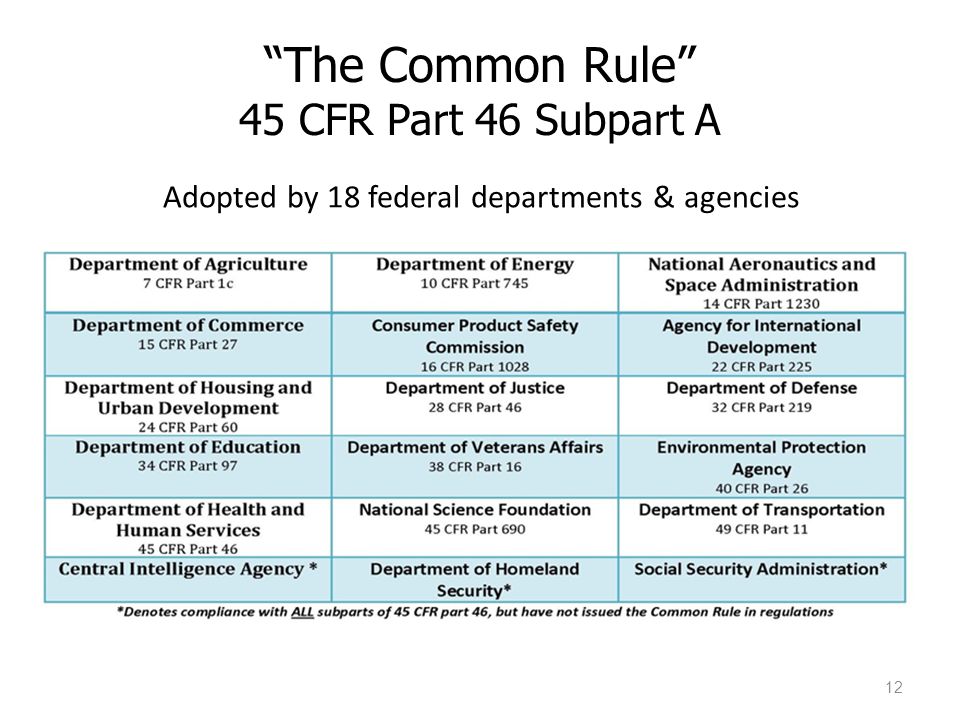
The rush to publish a revised Common Rule for federally funded human research in the United States has created a flawed regulatory regime, says Robert Dingwall., Time to tear the whole edifice down and start over, he suggests.

The news that students at City, University of London have voted to ban The Sun, Daily Mail and Express newspapers from its […]
A literature professor who has offered ‘trigger warnings’ to students argues that the warnings are designed to open up a discussion of difficult material – not suppress it.

If the public institution is committed to public interest, then privatization of research and teaching cannot be allowed. Work done should be seen, heard and critiqued. Innovation in knowledge can come when people take away ideas from us, just as we did. Research should be made public, accountable and responsible. The data commons in public interest cannot be sacrificed at the altar of intellectual autonomy.
Academics need to retain their freedom to speak on matters of interest, which intersect with their specialized knowledge, even where that intersection is tangential or not visible to others.

The never-ending audit makes a crucial point about the ways in which power structures have shifted within universities, argues our Daniel Nehring. In effect, it suggests the death of the ideal of the autonomous scholar-researcher-teacher.
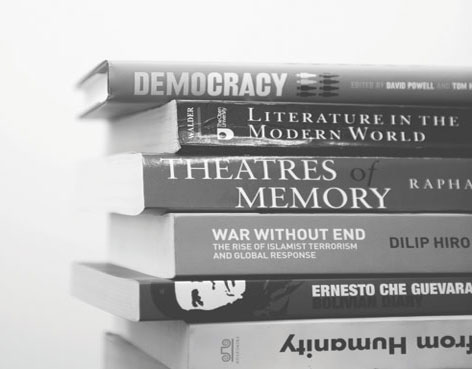
Last month the webinar “Battling Bannings- Authors discuss intellectual freedom and the freedom to read” saw Index on Censorship’s Vicky Baker moderate a discussion between historian Wendy Doniger and children’s book authors Christine Baldacchino and Jessica Herthel.

Four Americans working in the social and behavioral sciences are among the 20 people named MacArthur Fellows this year. Recipients may be […] Euan Adie, the founder of Altmetric and later of Overton, discusses the reasons the led to Overton’s focus on showing researchers how […] Here’s a couple of quick questions for you. What is the smallest of the eight discipline-based directorates at the United States’ National […] I was adding some final flourishes on the topic of ‘iatrocracy’ to my forthcoming book with Natewindé Sawadogo – Sickness and Social […] How is AI changing the shape and space of higher education? Critical thinking continues to rank highly among key skills and attributes […] My colleagues and I recently spoke with a group of talented, interesting students who just completed their first year of college about […]
EXPLORE
Impact
Four From Social Science World Receive 2026 MacArthur Fellowships
READ MORE

Quick Insight: Euan Adie on Getting Academics Credit for Their Impact
READ MORE

NSF’s Embattled SBE Directorate Shown as Agency’s Policy Heavyweight
READ MORE
Innovation

AI and ‘Iatrocracy’ – A Cautionary Tale
READ MORE

The Critical Student: How GenAI Reshapes Critical Skills and Higher Education’s Role Preparing Students For It
READ MORE

AI Doesn’t Drive Student Cheating. It Just Hitches a Ride
READ MORE