
Could Distributed Peer Review Better Decide Grant Funding?
The landscape of academic grant funding is notoriously competitive and plagued by lengthy, bureaucratic processes, exacerbated by difficulties in finding willing reviewers. Distributed […]
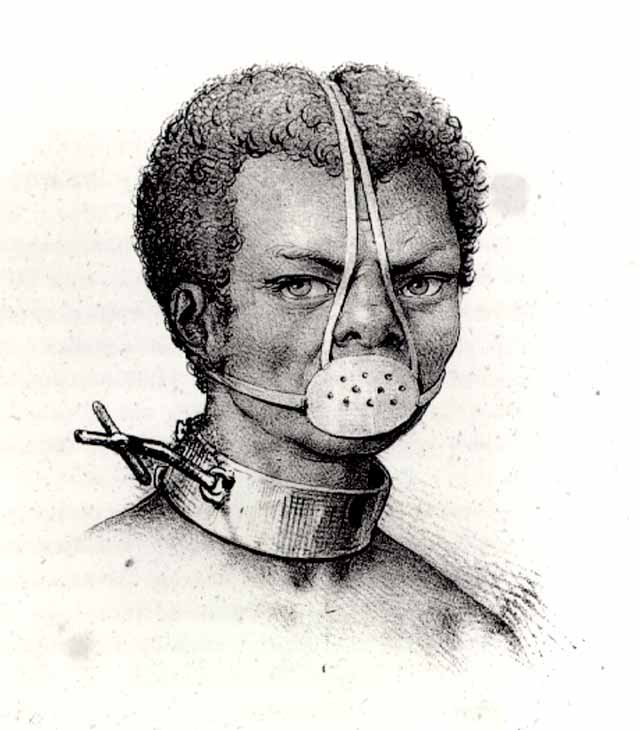
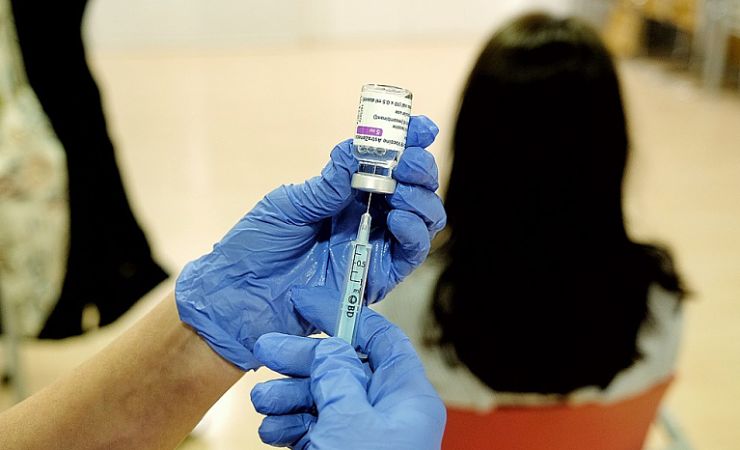
Our mixed feelings about reporting the deaths of vaccine sceptics, says Nick Chater, reflect the complexity of our moral selves – consequences, rules, agreements and virtues can pull us in different directions.
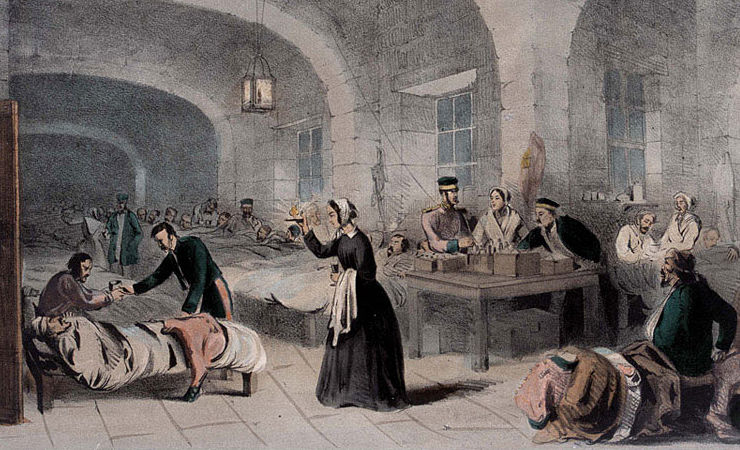
A conspicuous feature of the pandemic has been the idealization of the home as a place of safety and refuge.
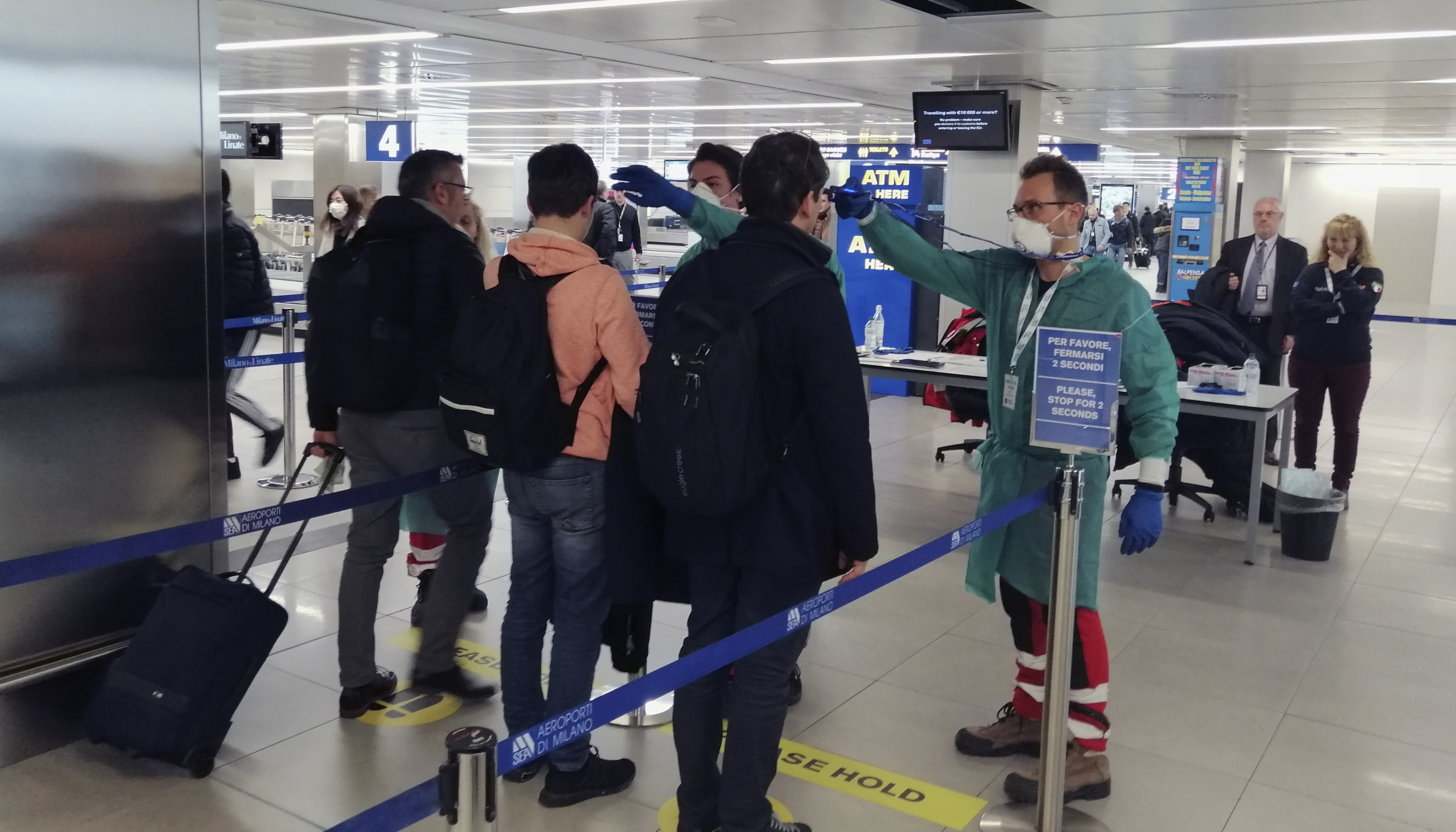
During the pandemic, a lot of assumptions were made about how people behave. Many of those assumptions were wrong, writes Stephen Reicher, and they led to disastrous policies.
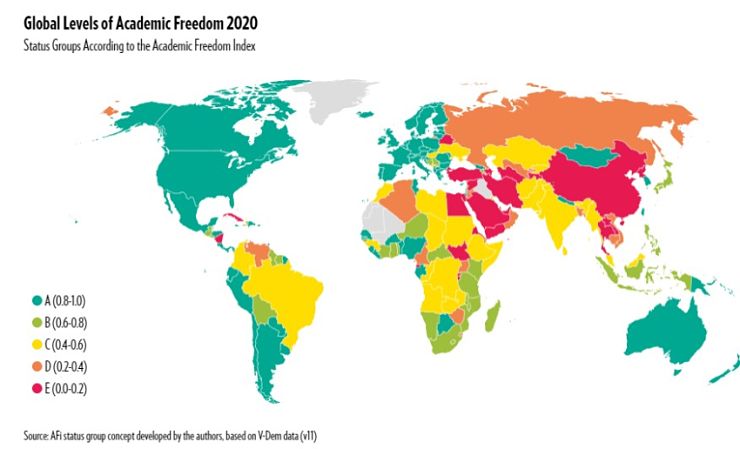
The COVID-19 pandemic has exacted a toll on academic freedom is several ways, in particular by restricting mobility and allowing for greater surveillance.

Scientific research, innovation, and evidence have contributed to COVID-19 mitigation and response. As parts of the globe emerge from a second year […]
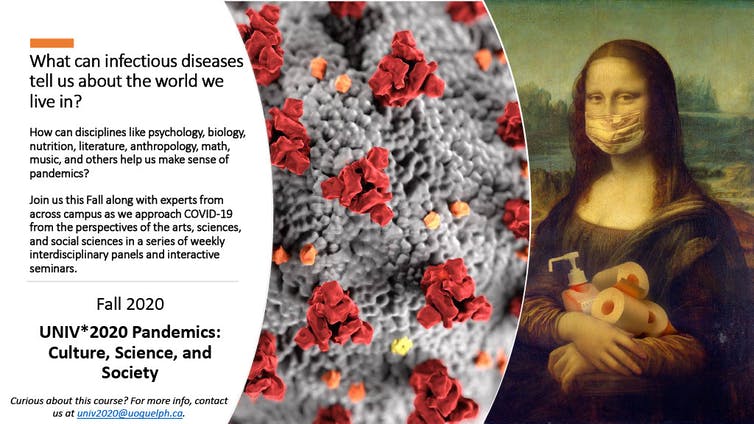
An anthropologist, a biologist and a historian at the University of Guelph jointly held a summer online course on all aspects of the COVID-19 pandemic. It was a hit
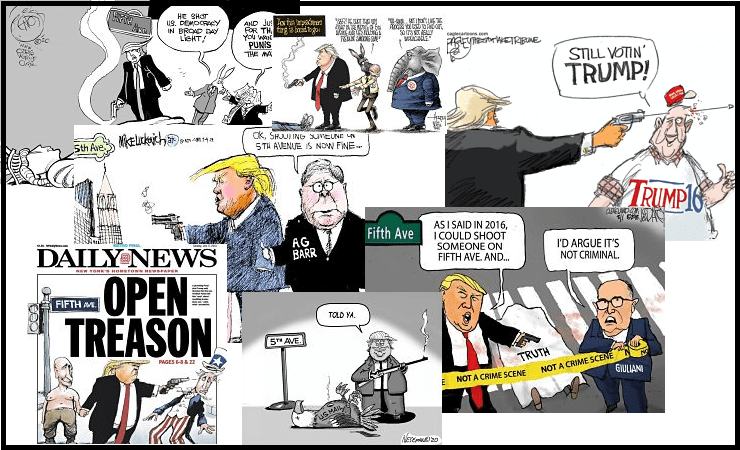
We found that not only did approval/liking of President Trump strongly, and positively, predict Americans’ approval of his handling of the pandemic, but it also had significant, negative effects on personal protection behaviors.
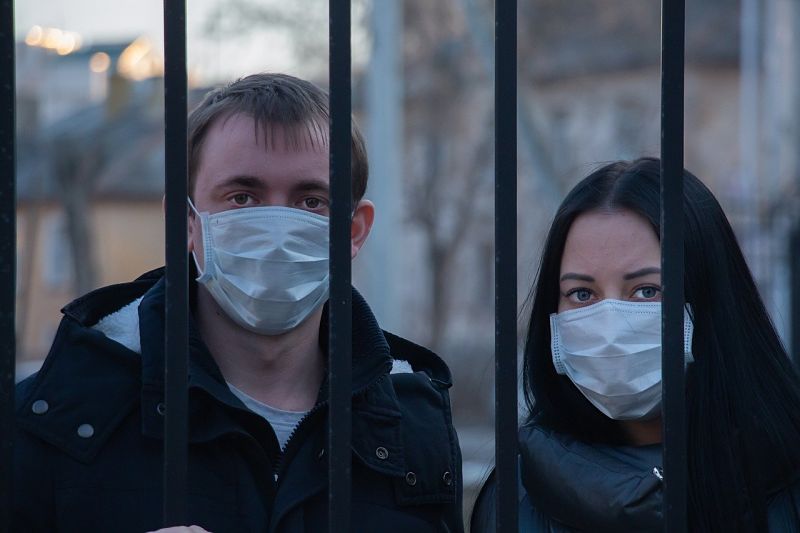
A psychiatrist’s recent op-ed in the Wall Street Journal argues that long Covid is psychosomatic. Steve Lubet asks why the writer is dictating to patients rather than listening to them.


Jürgen Habermas, a globally known social theorist whose explorations of democracy, validity and communication have gained new prominence in the current moment, […] People often see science as a world apart: cool, rational and untouched by persuasion or performance. In this view, scientists simply discover […] “Research impact” means different things to different people. Some refer broadly to how science changes behaviors, beliefs, or practices outside academic institutions. […] David Canter considers informal places where people socialize, suggesting they’re an arena ChatGPT and other LLMs can’no’t replicate. As someone who lives […] It’s become cliche since Clive Humbly coined it in 2006, but data is indeed the new oil. It’s a mantra repeated by […] In September 2025, The Guardian reported about a lawyer in Australia having faced sanctions due to false citations. These citations were not […]
EXPLORE
Impact

Jürgen Habermas, 1929-2026: Exponent of the Public Sphere
READ MORE

Scientists Should Keep in Mind It’s Called the ‘Marketplace of Ideas’ for a Reason
READ MORE

Survey Finds Social Scientists Feel Unsupported in Seeking Societal Impact
READ MORE
Innovation

Reaching Parts to Which AI Has No Access
READ MORE

Andrea Medina-Smith on Making Research Data More FAIR
READ MORE

A Status Check on Hallucinated Case Law Incidents
READ MORE