
Could Distributed Peer Review Better Decide Grant Funding?
The landscape of academic grant funding is notoriously competitive and plagued by lengthy, bureaucratic processes, exacerbated by difficulties in finding willing reviewers. Distributed […]

In light of the global coronavirus pandemic, anthropologists around the world have been preparing to utilize knowledge gained from past pandemics to […]
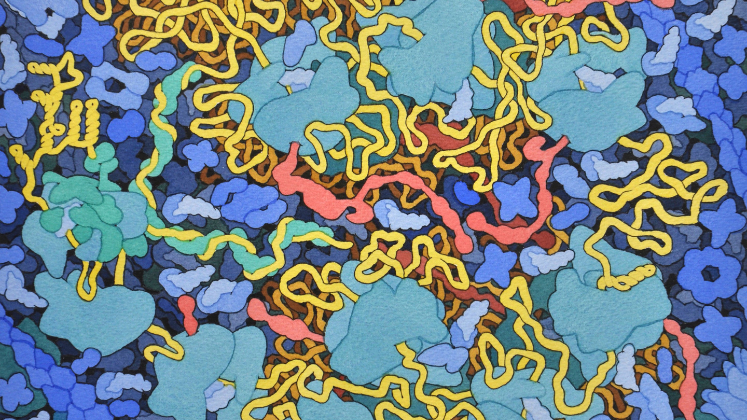
The ways in which epidemics interact with human society suggest that much can be learned from previous epidemics. Drawing on the historical response to the AIDS epidemic of the 1980s, Donald Nicolson describes four parallels between the responses to these outbreaks and suggests what lessons can be learned by public health authorities responding to COVID-19.
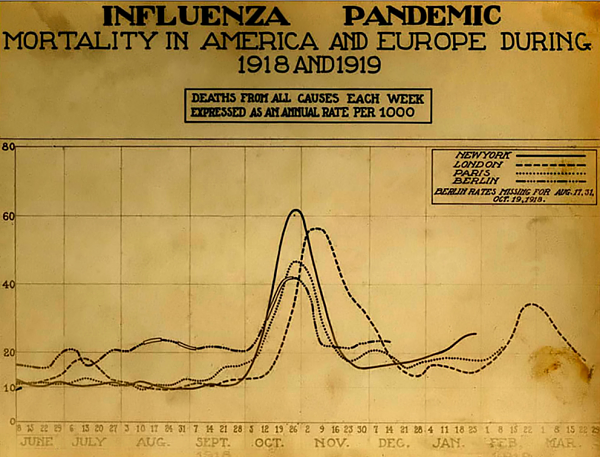
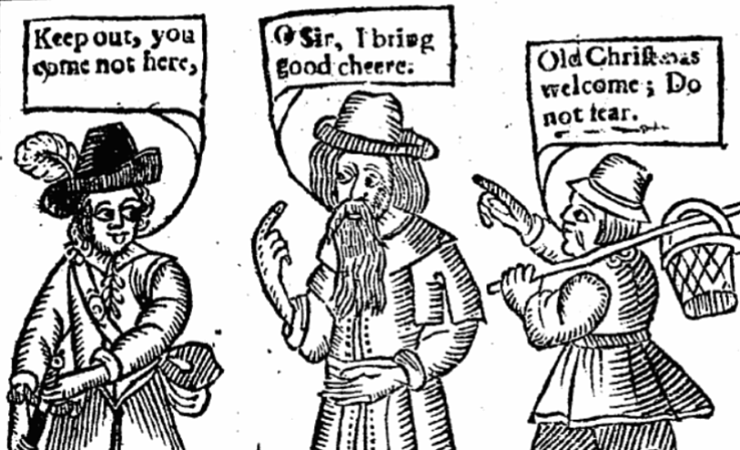
Although it won’t see the memorials and centenary events that the World War I Armistice will, it’s worth thinking back to the ravages of the ‘Spanish flu’ of a century ago and the implications that that pandemic of the past has for infections of the future.
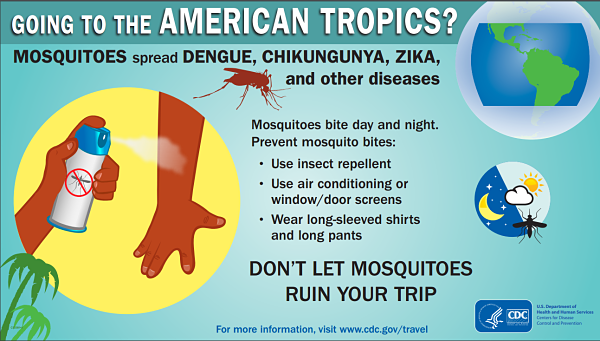
Another disease in the tropics has the World Health Organisation in a lather, and again biomedicine’s response will not be all that useful in the short term. Social science can help now to address the underlying problems that help the Zika virus to spread — if policymakers will listen.

Bully for the researchers who have developed a vaccine can build resistance against some instances of malaria, says Robert Dingwall. But before the WHO recommends for its adoption, he suggests a harder look at user-centered design and cost-benefit analysis may be in order.
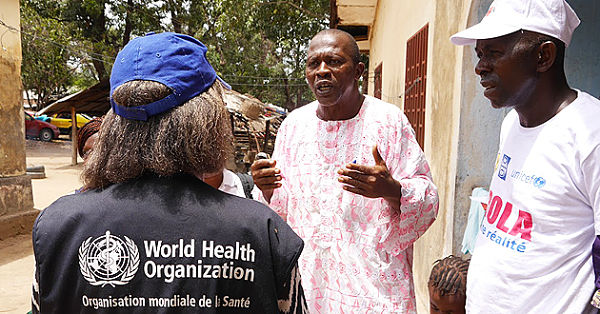
A new report from the World Health Organization on the response to the African Ebola outbreak backs up what our Robert Dingwall has been writing all along — by downplaying social science lives have been lost. The question now is whether a new WHO can improve.

There is no point in improving the innovation pipeline for antibiotics, argues Robert Dingwall, if the drugs that come out at the end all fall into the same chaotic patterns of use as today.
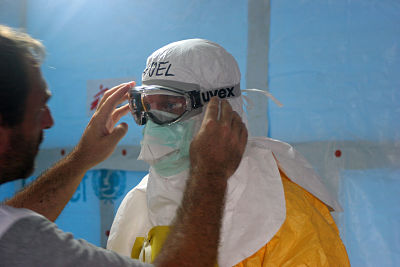
There is a genuine cost from ignoring lessons from social science in the fight against Ebola. What’s even sadder — these lessons were taught in blood three decades ago in the fights against AIDS. Are we ready for the next malady?

Jürgen Habermas, a globally known social theorist whose explorations of democracy, validity and communication have gained new prominence in the current moment, […] People often see science as a world apart: cool, rational and untouched by persuasion or performance. In this view, scientists simply discover […] “Research impact” means different things to different people. Some refer broadly to how science changes behaviors, beliefs, or practices outside academic institutions. […] David Canter considers informal places where people socialize, suggesting they’re an arena ChatGPT and other LLMs can’no’t replicate. As someone who lives […] It’s become cliche since Clive Humbly coined it in 2006, but data is indeed the new oil. It’s a mantra repeated by […] In September 2025, The Guardian reported about a lawyer in Australia having faced sanctions due to false citations. These citations were not […]
EXPLORE
Impact

Jürgen Habermas, 1929-2026: Exponent of the Public Sphere
READ MORE

Scientists Should Keep in Mind It’s Called the ‘Marketplace of Ideas’ for a Reason
READ MORE

Survey Finds Social Scientists Feel Unsupported in Seeking Societal Impact
READ MORE
Innovation

Reaching Parts to Which AI Has No Access
READ MORE

Andrea Medina-Smith on Making Research Data More FAIR
READ MORE

A Status Check on Hallucinated Case Law Incidents
READ MORE