
Could Distributed Peer Review Better Decide Grant Funding?
The landscape of academic grant funding is notoriously competitive and plagued by lengthy, bureaucratic processes, exacerbated by difficulties in finding willing reviewers. Distributed […]

Prior to the pandemic, Kevin O’Neill and his colleagues conducted a study of how undergraduates at a public university in Canada chose which courses to take online.
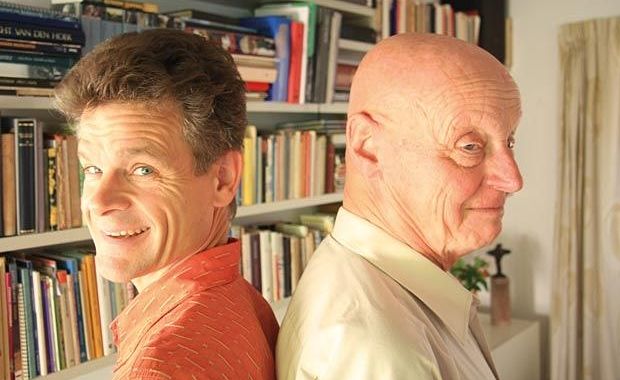
The son of famed social scientist Geert Hofstede argues the his father’s most important book, In the 40 years since publication, has gone through a Kuhnian cycle: anathema – revelation – normal science. It’s not over yet.

Sociology faculty, we need your help. Sociologists are needed in and outside of the academy. Those of us in the industry have been providing mentorship but we can not keep up with the growth in interest.
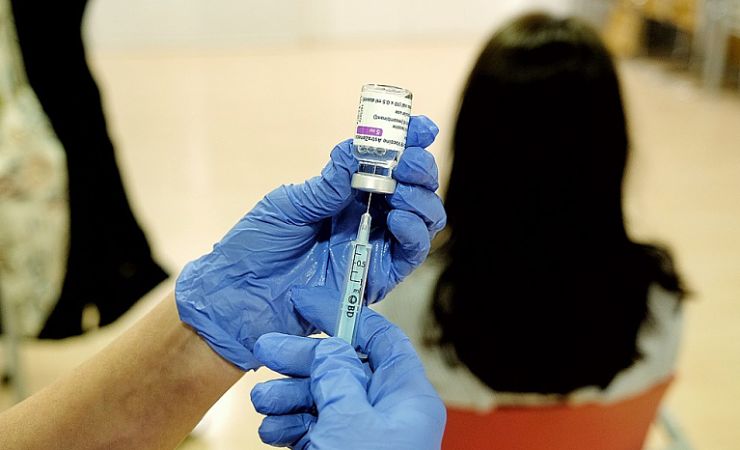
Our mixed feelings about reporting the deaths of vaccine sceptics, says Nick Chater, reflect the complexity of our moral selves – consequences, rules, agreements and virtues can pull us in different directions.
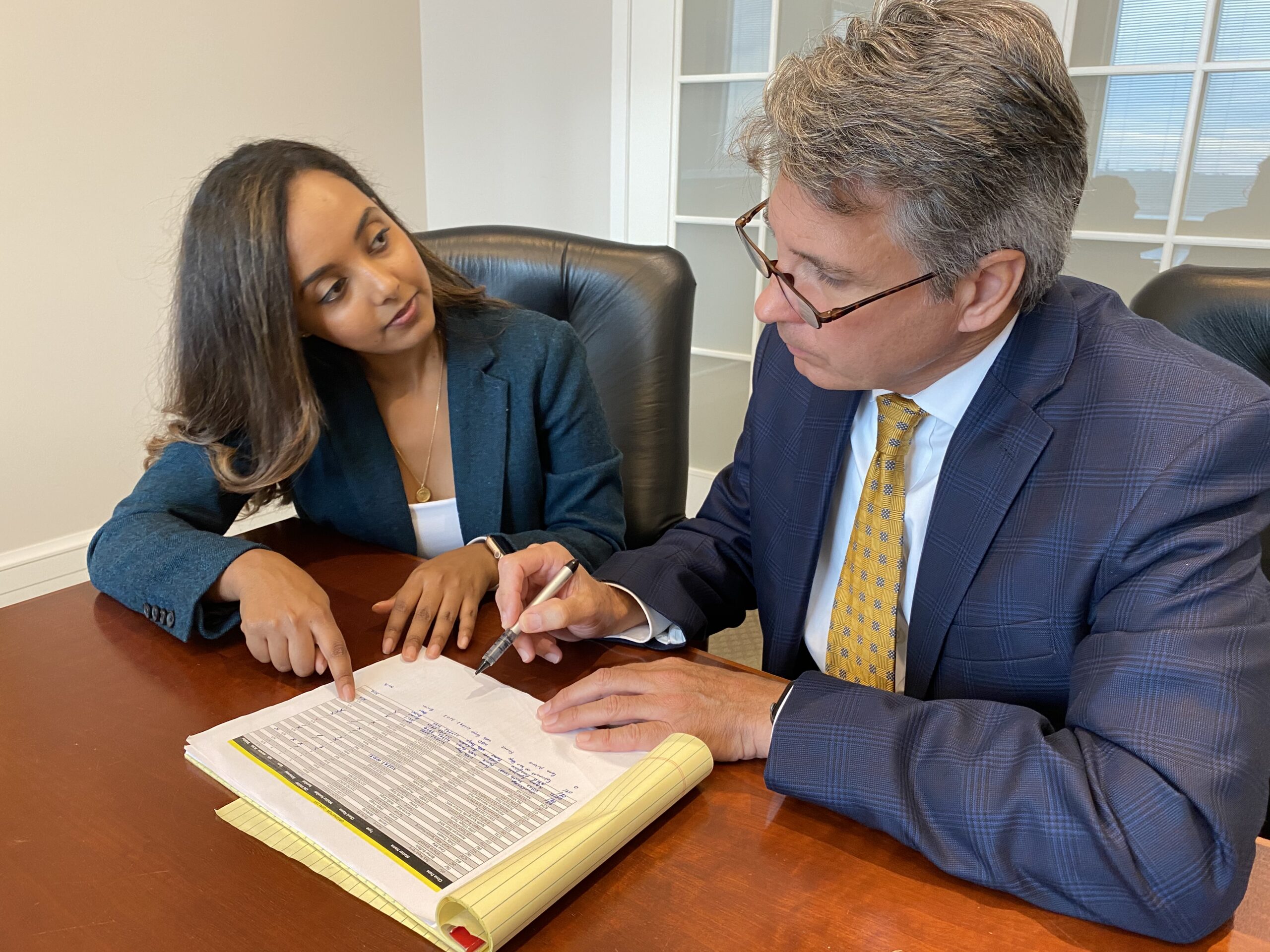
Professor Lisa Spiller noticed that sales management textbooks she looked at were missing topics like storytelling, neuro-linguistic programming, determining willingness-to-buy, servant leadership, and sales analytics. So she wrote a book that did.

Three key positions in the portion of the National Science Foundation focusing on social science will soon be open, and the foundation – the largest funder of academic social science in the United States — is conducting a national search to fill these key jobs.

Steven Lubet set out to investigate whether ethnography’s characteristic reliance on unverified accounts may sometimes produce misinformation. He argues that In any other academic discipline, his findings would have provoked less umbrage and more reinvestigation.
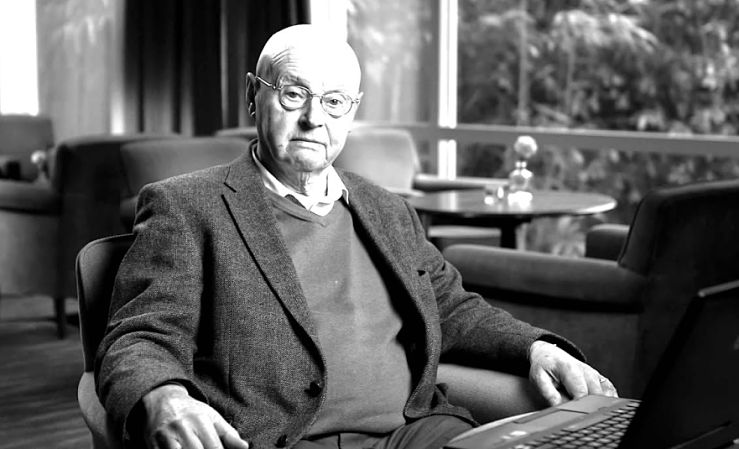
There may be two possible reactions to the anniversary of Geert Hofstede’s ‘Culture’s Consequences’: that in 2021 the work may be considered outdated; or that Geert Hofstede’s work is timeless.
People often see science as a world apart: cool, rational and untouched by persuasion or performance. In this view, scientists simply discover […] “Research impact” means different things to different people. Some refer broadly to how science changes behaviors, beliefs, or practices outside academic institutions. […] One researcher studies how war affects children, another took a literal worm’s eye view to examine rural development, while two others scrutinized […] David Canter considers informal places where people socialize, suggesting they’re an arena ChatGPT and other LLMs can’no’t replicate. As someone who lives […] It’s become cliche since Clive Humbly coined it in 2006, but data is indeed the new oil. It’s a mantra repeated by […] In September 2025, The Guardian reported about a lawyer in Australia having faced sanctions due to false citations. These citations were not […]
EXPLORE
Impact

Scientists Should Keep in Mind It’s Called the ‘Marketplace of Ideas’ for a Reason
READ MORE

Survey Finds Social Scientists Feel Unsupported in Seeking Societal Impact
READ MORE
Canada’s SSHRC Names 2025 Impact Winners
READ MORE
Innovation

Reaching Parts to Which AI Has No Access
READ MORE

Andrea Medina-Smith on Making Research Data More FAIR
READ MORE

A Status Check on Hallucinated Case Law Incidents
READ MORE