
Could Distributed Peer Review Better Decide Grant Funding?
The landscape of academic grant funding is notoriously competitive and plagued by lengthy, bureaucratic processes, exacerbated by difficulties in finding willing reviewers. Distributed […]
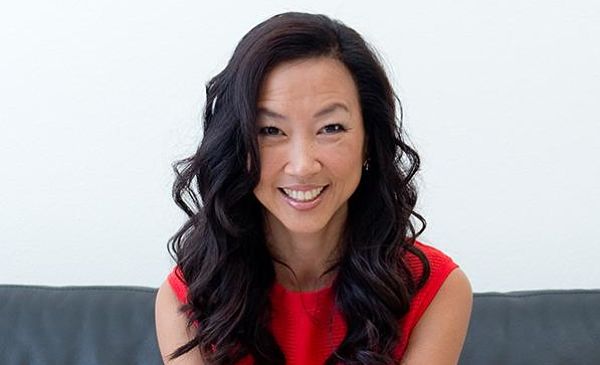
The twin prods of a U.S. president trying to rebrand the coronavirus as the ‘China virus’ and a bloody attack in Atlanta that left six Asian women dead have brought to the fore a spate of questions about Asian Americans in the United States.
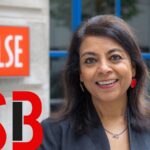
Sociologist Jennifer Lee is answering those questions.
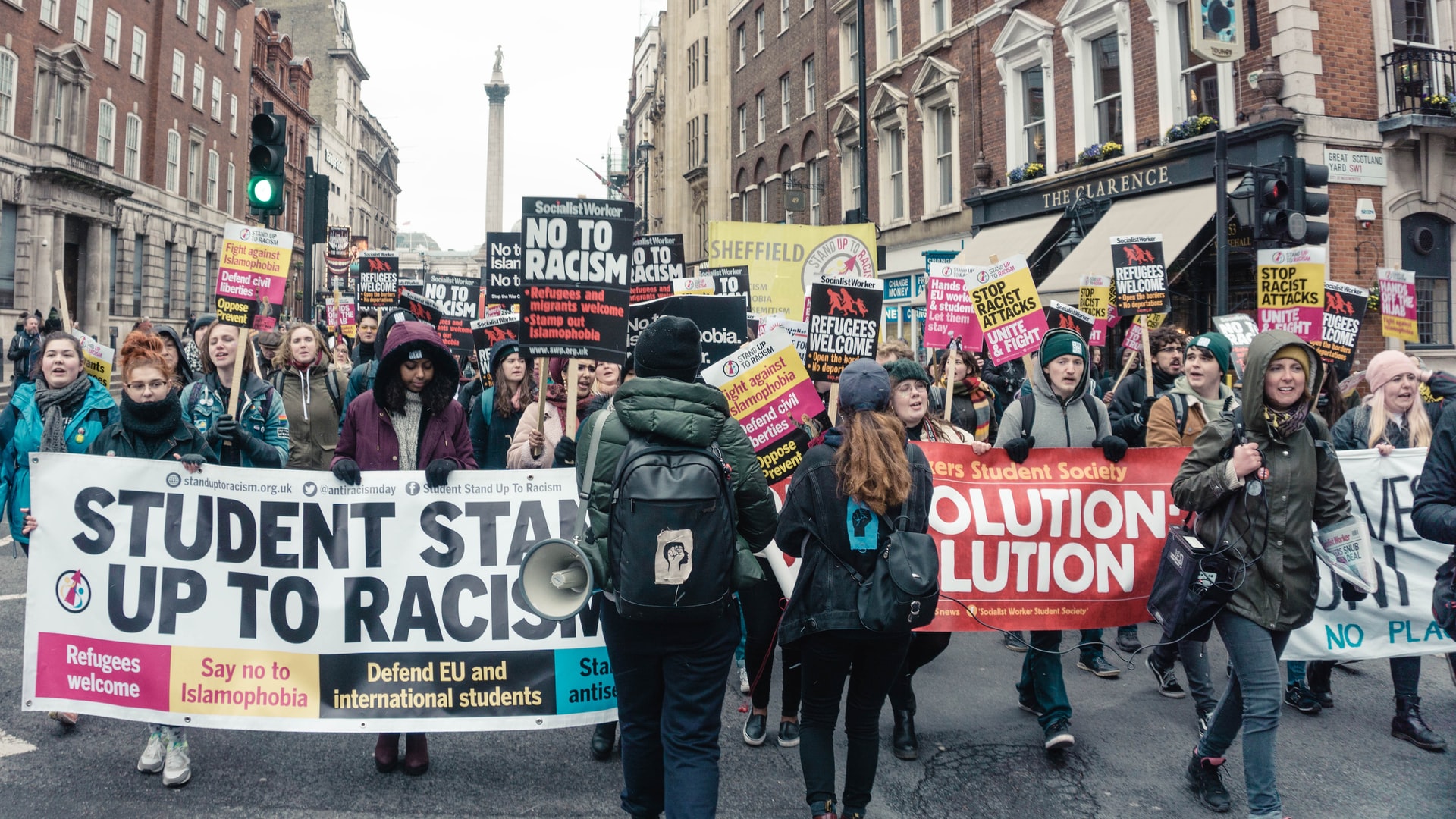
Should student social media posts be punishable, even if they are made off-campus?
The times they are a-changin’ for higher education. Or so say a growing number of commentators. They see COVID-19 disruptions as a […]

In this video you can view the first episode of SAGE Publishing’s new webinar series, “Teaching Business for People and the Planet” […]

“Free Universities: Putting the Academic Freedom Index Into Action,” a report released by the Global Public Policy Institute in March, works as part of an effort to put the Academic Freedom Index (AFi) into action.
It’s long been trumpeted that companies acting on corporate social responsibility do better. But does CSR — actually — improve brands? Shawn Pope and Jimi Kim decided to find out.
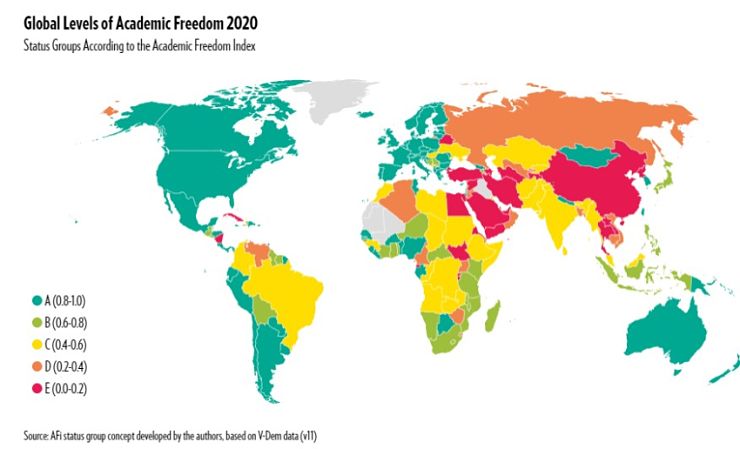
The COVID-19 pandemic has exacted a toll on academic freedom is several ways, in particular by restricting mobility and allowing for greater surveillance.

Scientific research, innovation, and evidence have contributed to COVID-19 mitigation and response. As parts of the globe emerge from a second year […]
People often see science as a world apart: cool, rational and untouched by persuasion or performance. In this view, scientists simply discover […] “Research impact” means different things to different people. Some refer broadly to how science changes behaviors, beliefs, or practices outside academic institutions. […] One researcher studies how war affects children, another took a literal worm’s eye view to examine rural development, while two others scrutinized […] David Canter considers informal places where people socialize, suggesting they’re an arena ChatGPT and other LLMs can’no’t replicate. As someone who lives […] It’s become cliche since Clive Humbly coined it in 2006, but data is indeed the new oil. It’s a mantra repeated by […] In September 2025, The Guardian reported about a lawyer in Australia having faced sanctions due to false citations. These citations were not […]
EXPLORE
Impact

Scientists Should Keep in Mind It’s Called the ‘Marketplace of Ideas’ for a Reason
READ MORE

Survey Finds Social Scientists Feel Unsupported in Seeking Societal Impact
READ MORE
Canada’s SSHRC Names 2025 Impact Winners
READ MORE
Innovation
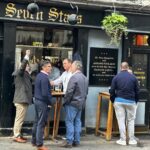
Reaching Parts to Which AI Has No Access
READ MORE

Andrea Medina-Smith on Making Research Data More FAIR
READ MORE

A Status Check on Hallucinated Case Law Incidents
READ MORE