


Could Distributed Peer Review Better Decide Grant Funding?
The landscape of academic grant funding is notoriously competitive and plagued by lengthy, bureaucratic processes, exacerbated by difficulties in finding willing reviewers. Distributed […]

Today we welcome two scholars from Texas’s Baylor University whose research into how pathogens affect innovation has taken on new prominence in the wake of the current pandemic.

This article, first published in the Monash Lens at Monash University, gathers input from a cross-disciplinary group of social and behavioral scientists and members of the humanities faculty at the Australian university.

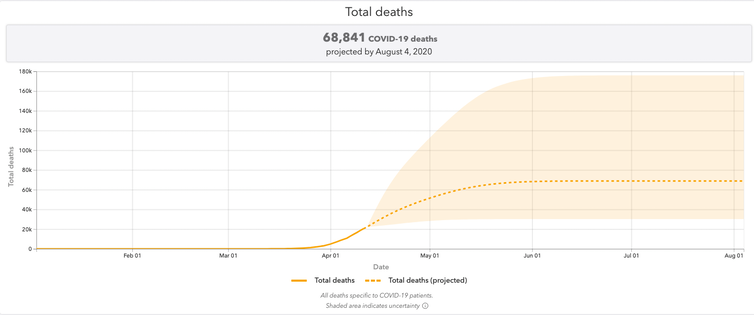
As far back as we have records, humans have tried to predict the future. Some societies turned to prayer, divination or oracles. Others to tarot cards or crystal balls. In the modern world, much of that function is fulfilled by mathematical models. Is this new technology of forecasting really an upgrade?
Social and behavioral research suggests many ways to calm your anxiety and practice well-being during this time of many unknowns. SAGE Publishing, the parent of Social Science Space, has opened various resources to support not only your own emotional health, but also the health of those around you, such as your children, students, and colleagues.
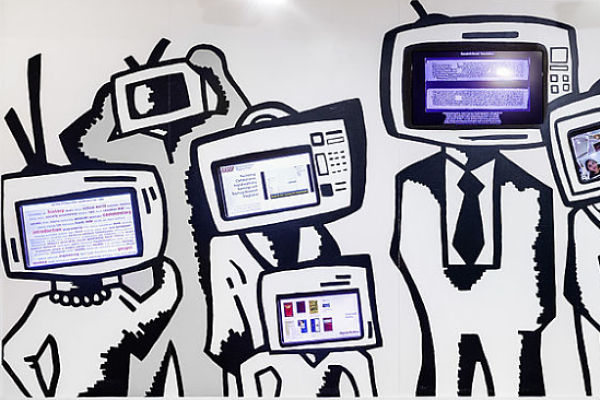
The lockdown prompted by the COVID pandemic presents opportunities to rethink how academic practices take place in virtual environments. Mark Carrigan argues that if adopted uncritically, they could exacerbate existing inequalities in the use of digital technologies and open up new areas of academic life to surveillance and control.
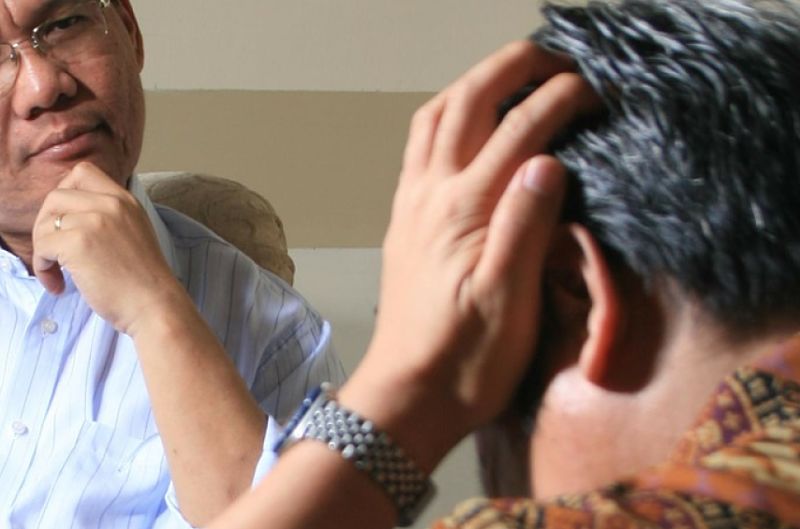
The appropriate training of human service professionals in digital platforms — entailing retrospection, revisions, and appropriation of the curriculum and training frameworks with an emphasis on the integration of technology with practice — can ensure the quality of services to the clients during emergencies like COVID-19.
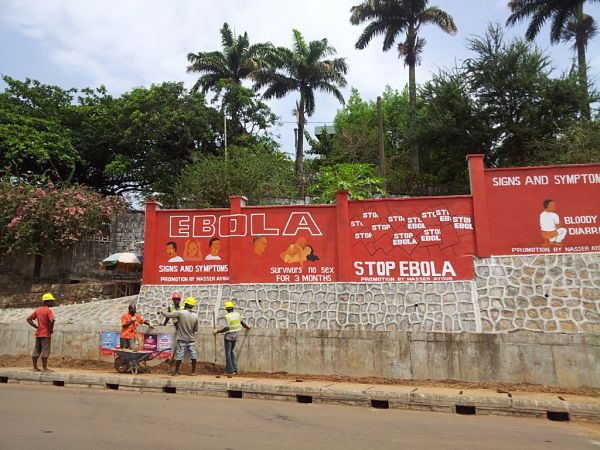
The World Health Organization’s Outbreak Communications Planning Guide suggests behavior changes can reduce the spread or a viral disease by as much as 80 percent. This can mean the difference between healthcare sectors being overwhelmed or continuing to function.
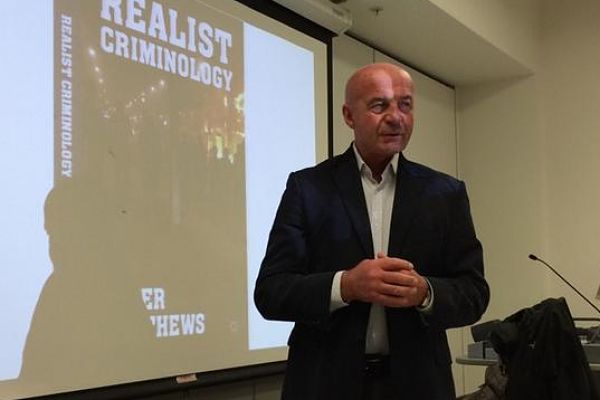
Roger Matthews, one a group of influential British criminologists who challenged both the dominant rightist “administrative” conception of law and order and what they viewed an idealistic perspective of crime from the left, has died from the effects of the coronavirus.
People often see science as a world apart: cool, rational and untouched by persuasion or performance. In this view, scientists simply discover […] “Research impact” means different things to different people. Some refer broadly to how science changes behaviors, beliefs, or practices outside academic institutions. […] One researcher studies how war affects children, another took a literal worm’s eye view to examine rural development, while two others scrutinized […] David Canter considers informal places where people socialize, suggesting they’re an arena ChatGPT and other LLMs can’no’t replicate. As someone who lives […] It’s become cliche since Clive Humbly coined it in 2006, but data is indeed the new oil. It’s a mantra repeated by […] In September 2025, The Guardian reported about a lawyer in Australia having faced sanctions due to false citations. These citations were not […]
EXPLORE
Impact

Scientists Should Keep in Mind It’s Called the ‘Marketplace of Ideas’ for a Reason
READ MORE

Survey Finds Social Scientists Feel Unsupported in Seeking Societal Impact
READ MORE
Canada’s SSHRC Names 2025 Impact Winners
READ MORE
Innovation

Reaching Parts to Which AI Has No Access
READ MORE

Andrea Medina-Smith on Making Research Data More FAIR
READ MORE

A Status Check on Hallucinated Case Law Incidents
READ MORE