

Could Distributed Peer Review Better Decide Grant Funding?
The landscape of academic grant funding is notoriously competitive and plagued by lengthy, bureaucratic processes, exacerbated by difficulties in finding willing reviewers. Distributed […]
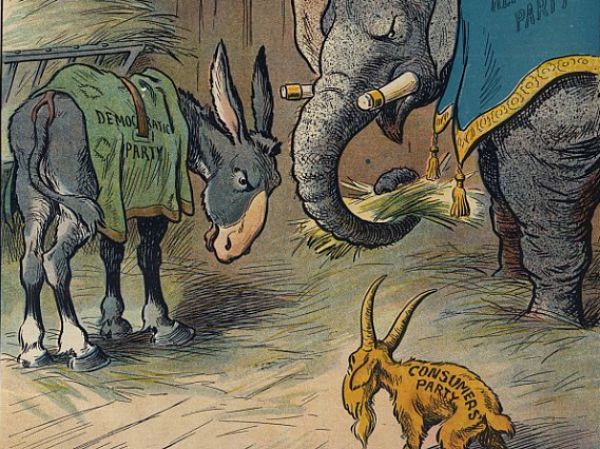
According to the Gallup polling firm, writes Christopher Devine, the identity that people choose most often is actually “independent” – not Democratic or Republican. In 2017, 42 percent of Americans chose this label – up from the low 30s just 14 years ago, in 2004. However, three-quarters of these “independents” admit, when asked, that they lean toward favoring the Democratic or Republican Party.
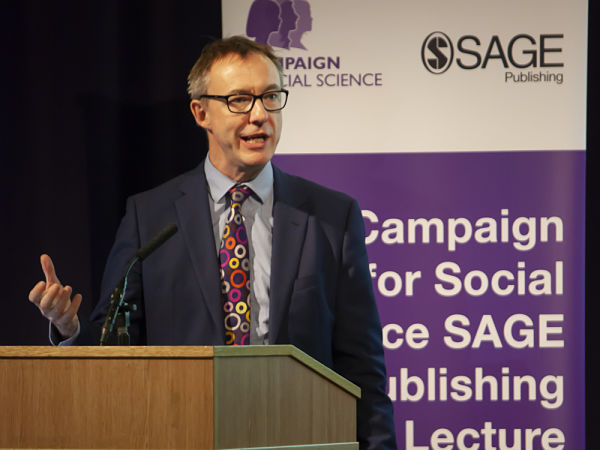
Paul Johnson had one key theme in his SAGE Publishing lecture for the Campaign for Social Science: Long-term policy needs to be developed across government based on a broad understanding of the social and economic trends. And there is little evidence that this lesson is being heeded.
At SAGE, we believe that education and engaged scholarship make up the foundation of a healthy society. So for this election season, we challenge you to bring the election into your classrooms. For the next few days, we will be providing you with new content to help facilitate conversation within the classroom.

Fake news, whether truly phony or merely unpalatable, has become an inescapable trope for modern media consumers. But apart from its propagandist provenance, misinformation and disinformation in our media diets is a genuine threat. Sociologist Nick Adams, in this Social Science Bites podcast, offers hope that a tool he’s developed can improve the media literacy of the populace.

Making its largest-ever grant in the social sciences and humanities, the Wolfson Foundation awarded the British Academy £10 million to promote high quality research. Under the initiative, the British Academy will create a fellowship program to support early career researchers, develop an international community of scholars and create an intellectual hub at the academy’s London home on Carlton House Terrace.

Carol Dweck, the Stanford-based psychologist whose work brought the idea of “mindset” into the education mainstream, will receive the 2018 SAGE-CASBS Award.
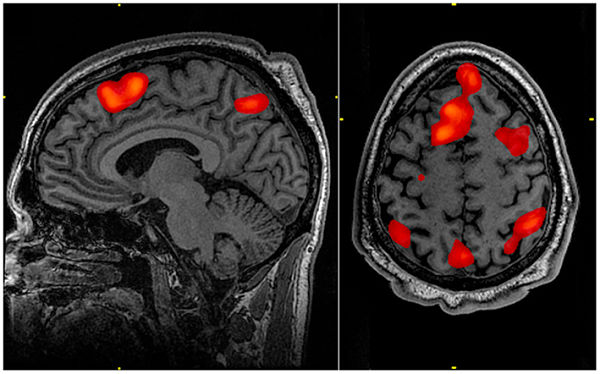
The authors of a new paper on neurofinance — a relatively new area of research that strives to understand financial decision making by combining insights from psychology and neuroscience with theories of finance — discuss some of the issues they grappled with in using imaging technology for their research.
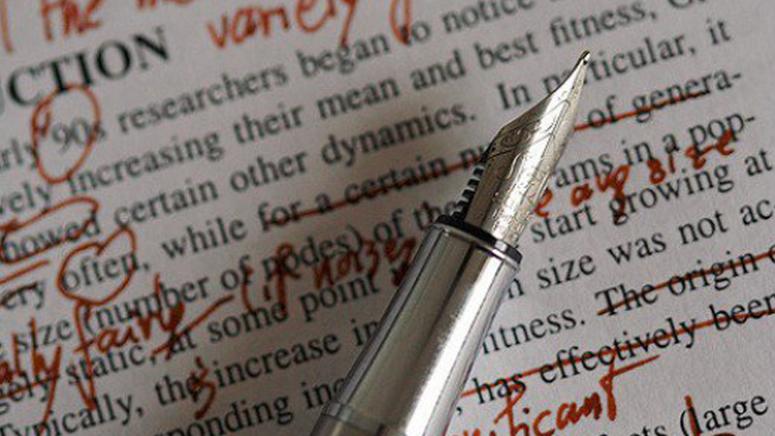
Writing satisfaction is strongly linked to publishing productivity and, potentially, career success. Chris Smith reports on research investigating the tools and systems academics from all career stages use to keep writing and publishing. Age, experience, and having a sense of certainty about what sort of writing system suits you and your life are all important to productivity and overall satisfaction.
When people trust science, they can make better decisions, follow helpful rules and work together on big problems like health, climate change […] Do you know a social or behavioral science researcher whose work resonates across disciplines and which has made a significant impact in […] Please note: this contest has now closed. The winner will be contacted in due course. This November, Sage and Overton invite you to share the unexpected […] The latest generation of artificial intelligence models is sharper and smoother, producing polished text with fewer errors and hallucinations. As a philosophy […] In a new white paper by Tom Chatfield, the philosopher of tech and critical thinking outlines a practical roadmap for integrating artificial intelligence into […] Distance learning far precedes the digital age. Before online courses, people relied on print materials (and later radio and other technologies) to […]
EXPLORE
Impact

There Is a Cost to Being Honest About Science
READ MORE

Outstanding Social and Behavioral Scientists Sought for Sage-CASBS Award
READ MORE
![Share Your Most Surprising Policy Citation for Chance to Win $500 [Closed]](https://www.socialsciencespace.com/wp-content/themes/conferpress/images/default_thumbnail-new-border.jpg "Share Your Most Surprising Policy Citation for Chance to Win $500 [Closed]")
Share Your Most Surprising Policy Citation for Chance to Win $500 [Closed]
READ MORE
Innovation

An AI Authorship Protocol Aims to Sharpen a Sometimes-Fuzzy Line
READ MORE

A Box Unlocked, Not A Box Ticked: Tom Chatfield on AI and Pedagogy
READ MORE

AI Gaming of Some Online Courses Threatens Their Credibility
READ MORE