

Could Distributed Peer Review Better Decide Grant Funding?
The landscape of academic grant funding is notoriously competitive and plagued by lengthy, bureaucratic processes, exacerbated by difficulties in finding willing reviewers. Distributed […]

Legislation that sets policy for the National Science Foundation has been signed by President Obama. The bill no longer includes funding restrictions on social science but does include language that has been used in the past to attack the disciplines.
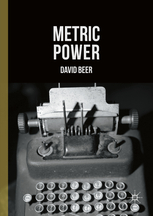
In Metric Power, David Beer examines the intensifying role that metrics play in our everyday lives, from healthcare provision to our interactions with friends and family, within the context of the so-termed data revolution. This is a book that illustrates our growing implication in, and arguable acquiescence to, an increasingly quantified world, but, Thomas Christie Williams asks, where do we locate resistance?
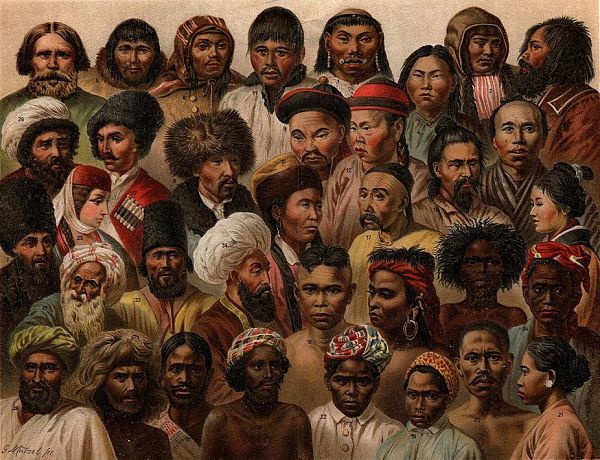
There is a clear consensus among anthropologists that races aren’t real, that they don’t reflect biological reality, and that most anthropologists don’t believe there is a place for race categories in science.
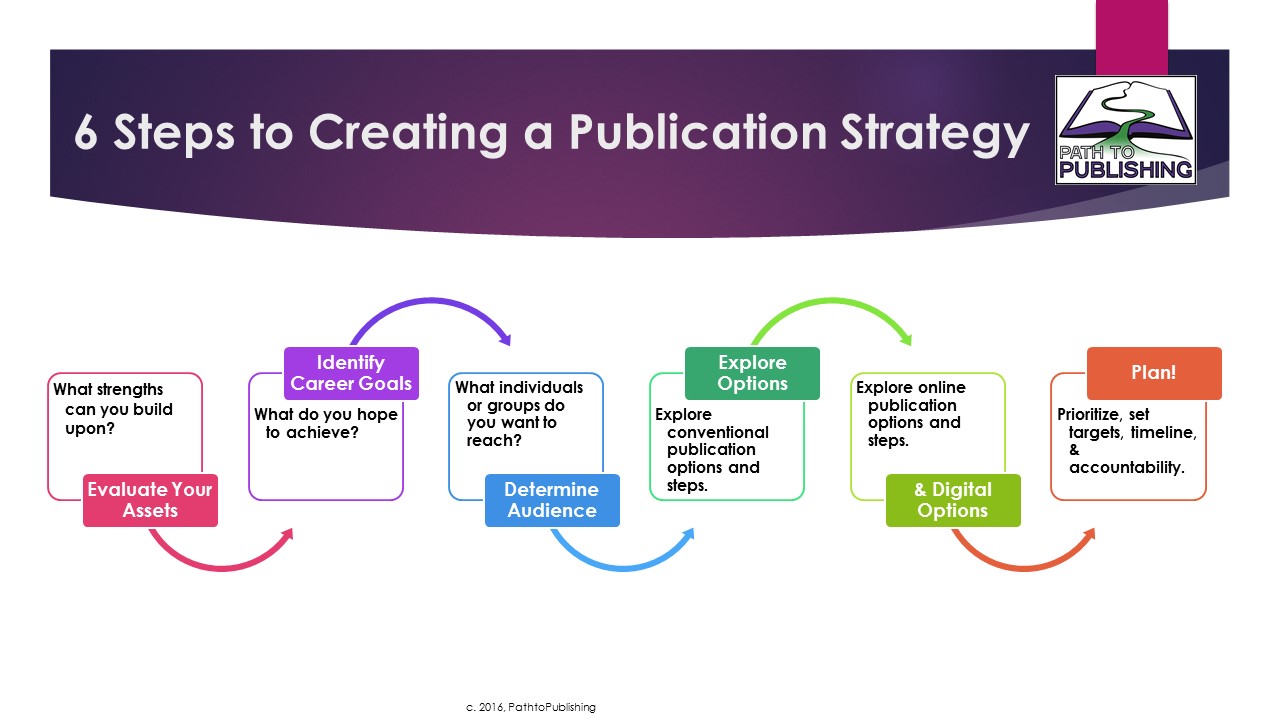
A publication strategy should include carefully-defined goals, a purposeful timeline, and actionable steps for proposing and writing the kinds of pieces large or small that allow others to access what we’ve learned, produce impact, and propel our careers forward.

Ten years ago, the National Institute for Health’s Office of Behavioral and Social Sciences Research (OBSSR) started an annual event to commemorate […]

In this Social Science Bites podcast, MIT’s Sandy Pentland tells interviewer Dave Edmonds about the origins of social physics in the barren days before the advent of widespread good data and solid statistical methods and how it blossomed as both a field and for Pentland’s own research.

Our Robert Dingwall reflects on Tinder’s in-house sociologist and on the just-announced New Year’s Honours list to question just how diverse are current understandings of diversity.
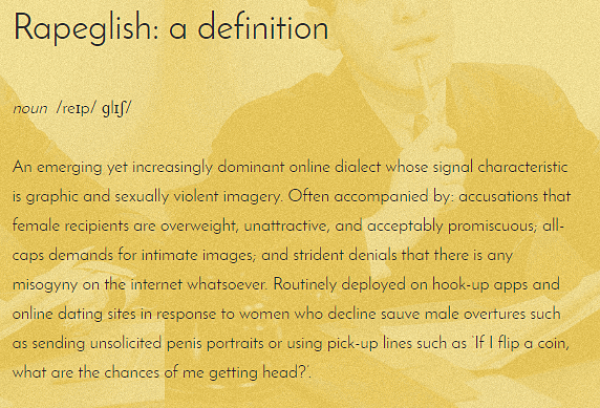
A new computer program from the author of ‘Misogyny Online’ slices up and shuffles around an archive of sexualized vitriol, rape threats, and aggressive sleaze received by real-life women and presents its own version of what is called Rapeglish.
People often see science as a world apart: cool, rational and untouched by persuasion or performance. In this view, scientists simply discover […] “Research impact” means different things to different people. Some refer broadly to how science changes behaviors, beliefs, or practices outside academic institutions. […] One researcher studies how war affects children, another took a literal worm’s eye view to examine rural development, while two others scrutinized […] David Canter considers informal places where people socialize, suggesting they’re an arena ChatGPT and other LLMs can’no’t replicate. As someone who lives […] It’s become cliche since Clive Humbly coined it in 2006, but data is indeed the new oil. It’s a mantra repeated by […] In September 2025, The Guardian reported about a lawyer in Australia having faced sanctions due to false citations. These citations were not […]
EXPLORE
Impact

Scientists Should Keep in Mind It’s Called the ‘Marketplace of Ideas’ for a Reason
READ MORE

Survey Finds Social Scientists Feel Unsupported in Seeking Societal Impact
READ MORE
Canada’s SSHRC Names 2025 Impact Winners
READ MORE
Innovation

Reaching Parts to Which AI Has No Access
READ MORE

Andrea Medina-Smith on Making Research Data More FAIR
READ MORE

A Status Check on Hallucinated Case Law Incidents
READ MORE