
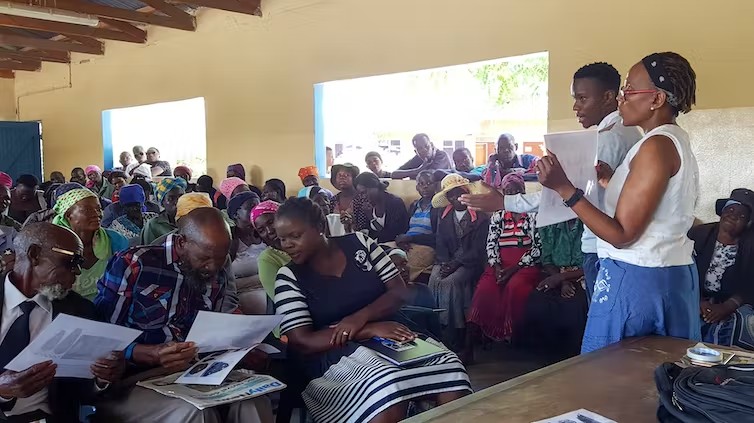


Could Distributed Peer Review Better Decide Grant Funding?
The landscape of academic grant funding is notoriously competitive and plagued by lengthy, bureaucratic processes, exacerbated by difficulties in finding willing reviewers. Distributed […]

A model is only as good as its underlying simplifying assumptions and data, notes Robert Dingwall, and in the case of testing the effectiveness of face masks to combat the spread of COVID those data are, he argues, at best fragile.
Now more than ever, writes Maura Scott, as business professors, we must generate and disseminate knowledge that can help inform and promote business, as well as society’s greater good.

The authors argues that there is a bias against qualitative research, and yet not every type of data can be handled using quantitative, and human behavior cannot always be reduced to numbers.

Martin Becker discusses how positive management practices can improve employee well-being and attract talent in highly competitive labor markets.

Critical ignoring is the ability to choose what to ignore and where to invest one’s limited attentional capacities.
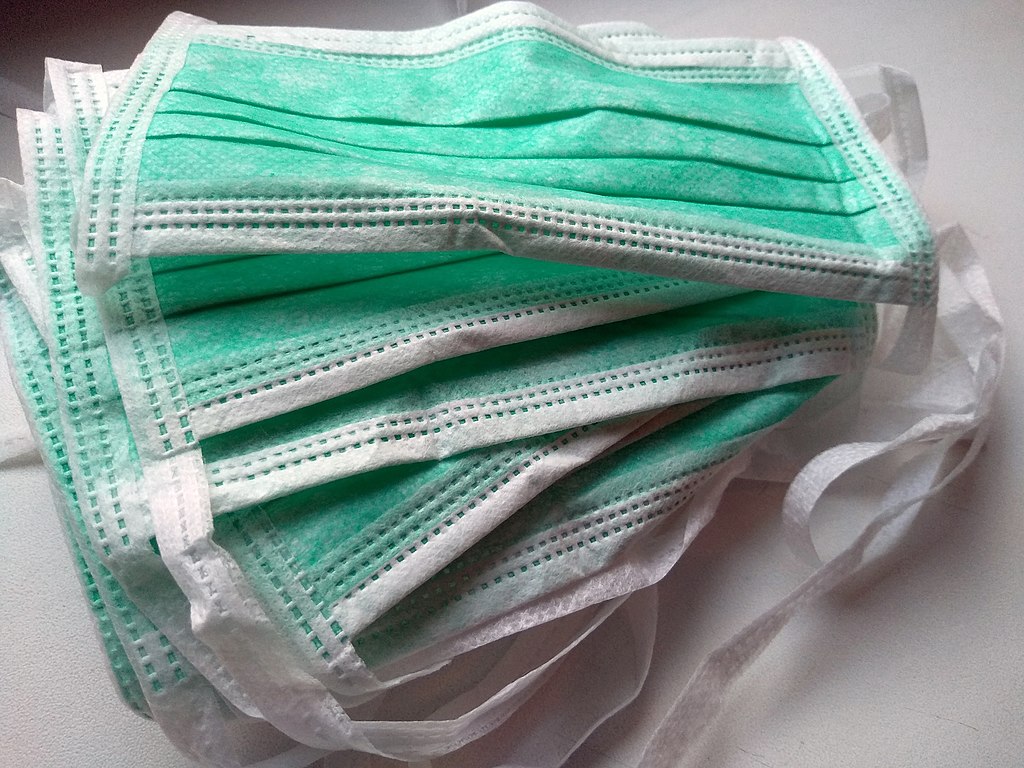
While the full story will probably have to await the attention of historians, writes Robert Dingwall, but anyone who criticized masking was labeled as a peddler of disinformation.

Andrew Hoffman writes that business schools are slow to respond to students’ changing ideals, sticking to a heavy emphasis on 50-year-old notions of shareholder primacy and a “greed is good” mentality. He proposes a different business school model that emphasizes management as a calling.
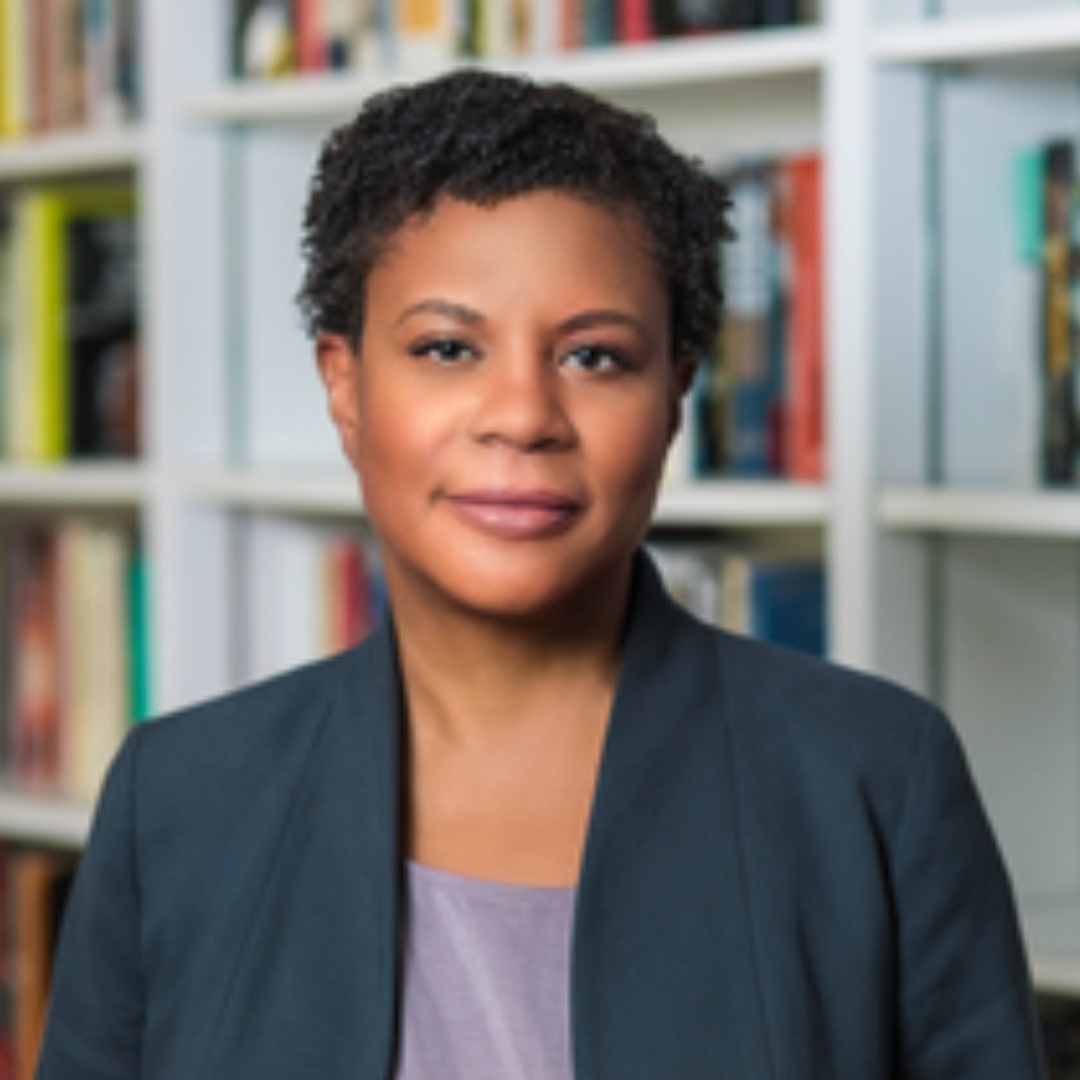
Sociologist Alondra Nelson, deputy director of the White House Office of Science and Technology Policy and the most senior adviser on social science in the Biden administration, will resign her post effective February 10.
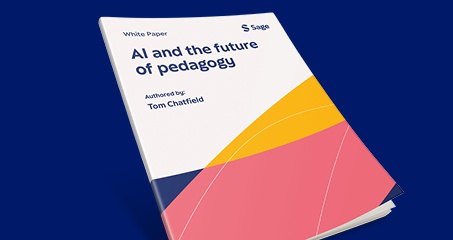
Do you know a social or behavioral science researcher whose work resonates across disciplines and which has made a significant impact in […] Please note: this contest has now closed. The winner will be contacted in due course. This November, Sage and Overton invite you to share the unexpected […] What makes some countries rich and others poor? Is there any action a country can take to improve living standards for its […] In a new white paper by Tom Chatfield, the philosopher of tech and critical thinking outlines a practical roadmap for integrating artificial intelligence into […] Distance learning far precedes the digital age. Before online courses, people relied on print materials (and later radio and other technologies) to […] In July, the United States government made it clear that artificial intelligence (AI) companies wanting to do business with the White House […]
EXPLORE
Impact

Outstanding Social and Behavioral Scientists Sought for Sage-CASBS Award
READ MORE
![Share Your Most Surprising Policy Citation for Chance to Win $500 [Closed]](https://www.socialsciencespace.com/wp-content/themes/conferpress/images/default_thumbnail-new-border.jpg "Share Your Most Surprising Policy Citation for Chance to Win $500 [Closed]")
Share Your Most Surprising Policy Citation for Chance to Win $500 [Closed]
READ MORE

We See Economic Growth Differently Thanks to the 2025 Nobelists in Economics
READ MORE
Innovation

A Box Unlocked, Not A Box Ticked: Tom Chatfield on AI and Pedagogy
READ MORE

AI Gaming of Some Online Courses Threatens Their Credibility
READ MORE
It’s Silly to Expect AI Will Be Shorn of Human Bias
READ MORE