Martha Newson on Identity Fusion
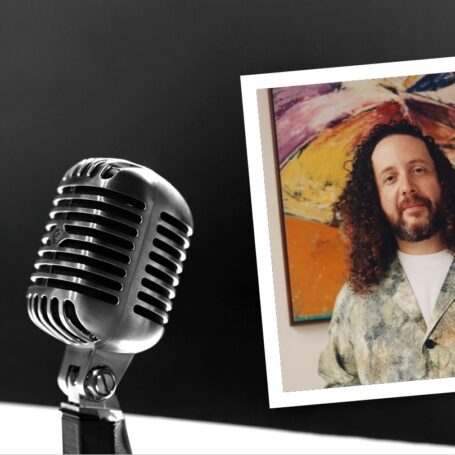
Despite being someone who doesn’t “particularly enjoy the game,” cognitive anthropologist Martha Newson is drawn to football. “Football is one of the most exciting games to watch as an anthropologist,” she explains in this Social Science Bites podcast. “I’m not watching the ball go around the pitch – I’m watching the fans. I’m transfixed by them! You go through all the emotions in a single match.”
Newson, linked to the universities of Oxford and Kent, describes for interviewer David Edmonds how fans of football often fuse their own identities into a tightly bonded group (even as they retain their individuality). This “identity fusion,” in which fans feel completely immersed in their group, is widely seen outside of sports. Some obvious venues are national identity, religion, or family group, places where individuals will go to extreme ends to defend or protect our group. “The research has expanded to look at how we can fuse to a value or an idea,” Newson notes.
But studying football (or soccer) offers some pragmatic advantages to the researcher. For one, the bonding is very public and very passionate. Fused fans will tattoo themselves, for example, an indelible statement that demonstrates they’re much easier to access and observe than say a terrorist cell or secretive political group.
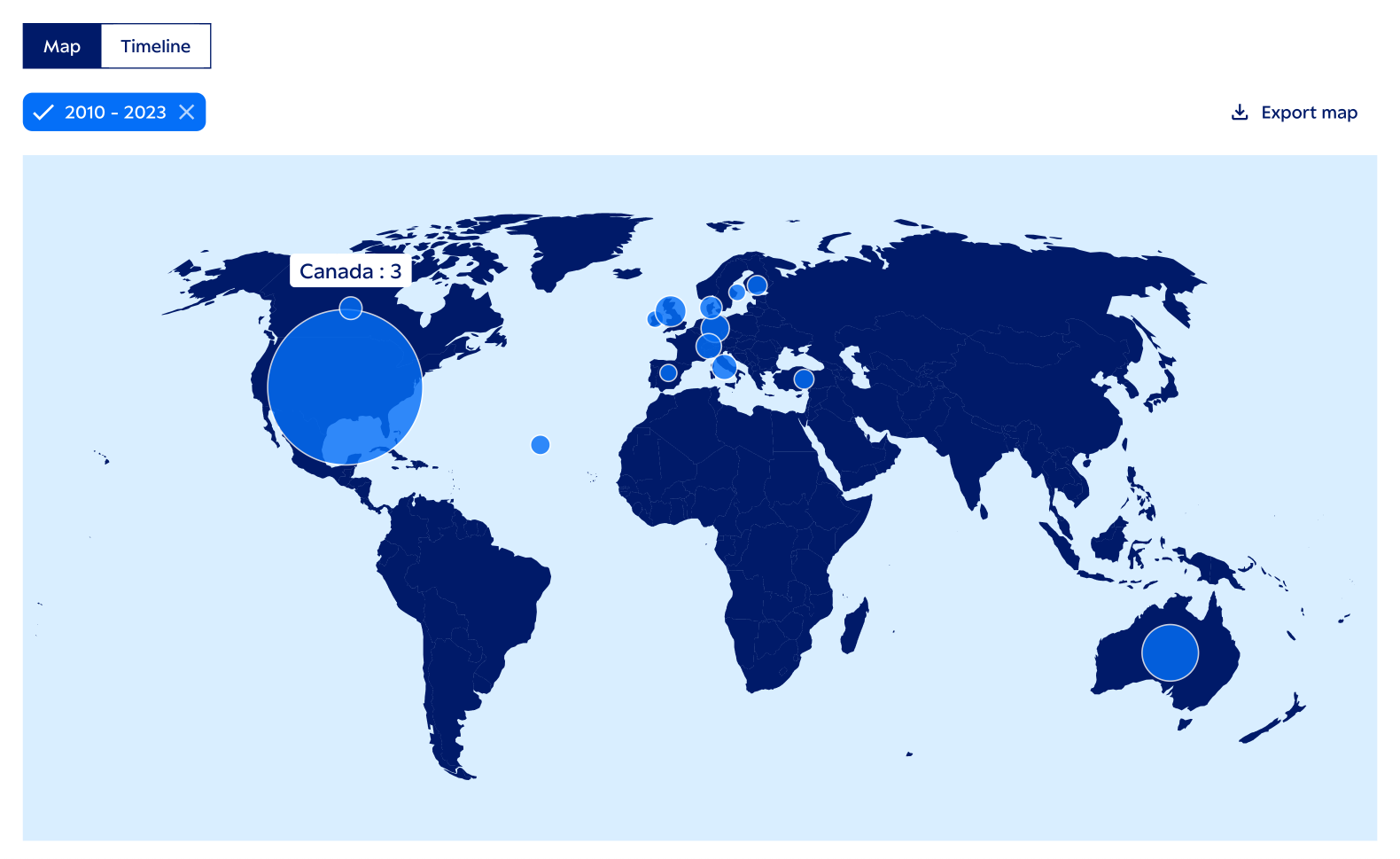
And football fandom is diverse culturally and geographically. One study Newson is working on currently taps into fanbases in Indonesia, Australian, Britain, Brazil and Spain. While there are differences in each country, “the love of the fans is quite consistent.” (And it is also love for the fans, Newson says, since it seems to be fusion to their fellow fans, and not necessarily the team or town, that’s the real driving force of cohesion.)
Newson has taken an innovative and interdisciplinary approach in her research, conducting surveys of fans, measuring their physiological responses and even drawing on existing and disparate databases like police records of fan violence.
And while violence or hostility may be linked in the popular imagination with extreme fandom, Newson’s research offers a more nuanced view. When someone feels their group is being threatened, like a mother bear they may wade in to defend their group. But when things are pleasant, like that same bear, so are they. “Fused fans preferred to be cooperative and altruistic to their rivals over being hostile toward them,” Newson has found. “The more fused you are, you are more likely to be violent than the less-fused fans,” she adds, “but that’s only because you’re looking out for your group in some way.”
Identity fusion research also finds that having bonded is a lifetime commitment, regardless of losses (and perhaps abetted by them!). “Once you are fused, you don’t unfuse – fusion really sticks,” Newson explains, adding that the primacy of the bond may wax and wane over time.
To download an MP3 of this podcast, right-click HERE and save.
For a complete listing of past Social Science Bites podcasts, click HERE. You can follow Bites on Twitter @socialscibites and David Edmonds @DavidEdmonds100.