

Could Distributed Peer Review Better Decide Grant Funding?
The landscape of academic grant funding is notoriously competitive and plagued by lengthy, bureaucratic processes, exacerbated by difficulties in finding willing reviewers. Distributed […]


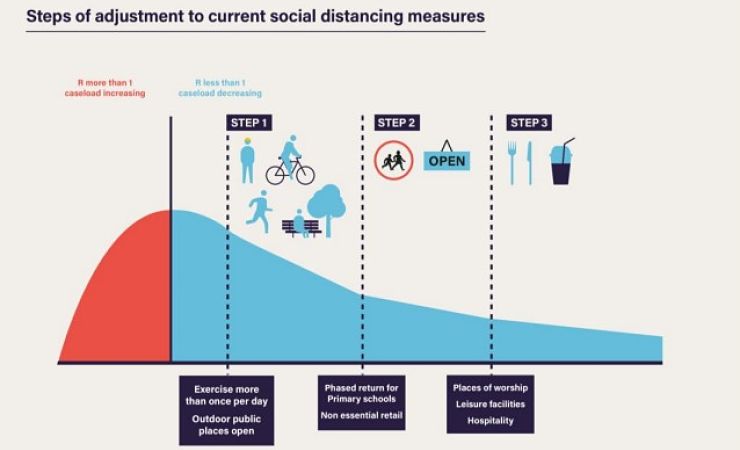
School closures are widely seen as a quick fix for COVID-19 transmission. The UK government’s resistance to this measure has provoked considerable concern, including a petition to Parliament that has gathered over a half-million signatures at the time of writing. In practice, argues Robert Dingwall, the effects would mainly be risky for children and the consequences would other institutions’ efforts to work as normally as possible.

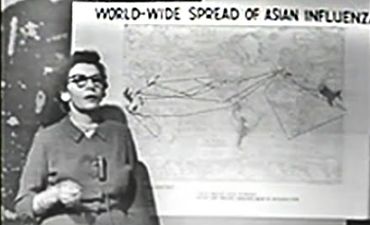
The United Kingdom’s reputed the self-isolation proposal, and its attendant controversy about the alleged influence of social and behavioral scientists on the government’s approach, is a nice indicator of how limited the social science influence actually is – and why it needs to be greater.

If you missed the broadcast of the new BBC/FX version of A Christmas Carol, it is well worth tracking down on a streaming service. While the production is occasionally bonkers, it brilliantly captures Charles Dickens’s passionate anger about social injustice in Victorian Britain.
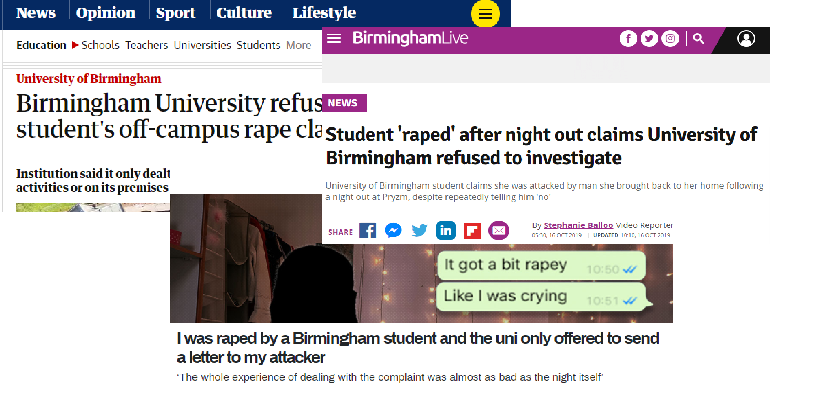
Universities in effect, argues our Robert Dingwall, are asked to exercise all the responsibilities of parents and to act as a secular equivalent of the medieval church as the conscience of the nation.
With the advent of the new Research on Research Institute, our Robert Dingwall notes that while research on research fills a gap in the world of knowledge. However, it is important not to confuse it with the research enterprise itself or to assume that this will benefit from being made so planned, rational and evidence-based that the result is to squeeze innovation out of the system.
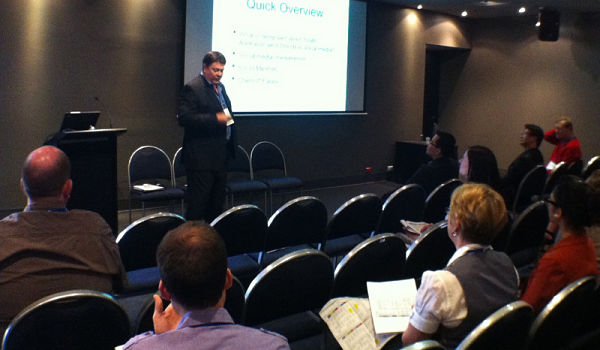
Individuals find it harder to cover conference costs – and departments or research groups have fewer resources to support them. It is not hard to see why there is a sense of grievance. On the other hand, it is not so easy to see what can be done.
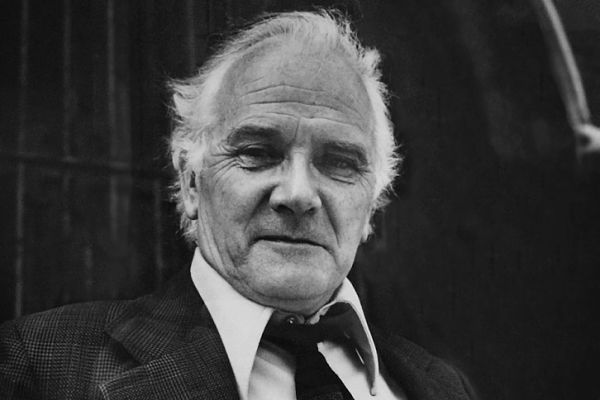
In the last 20 years or so there has been much excitement, particularly in science and technology studies, about Actor-Network Theory. One of its most distinctive features is the way in which it ascribes agency to material objects. Perhaps we should not be crediting Bruno Latour or Michel Callon with the original insight – but an English humourist, Paul Jennings.
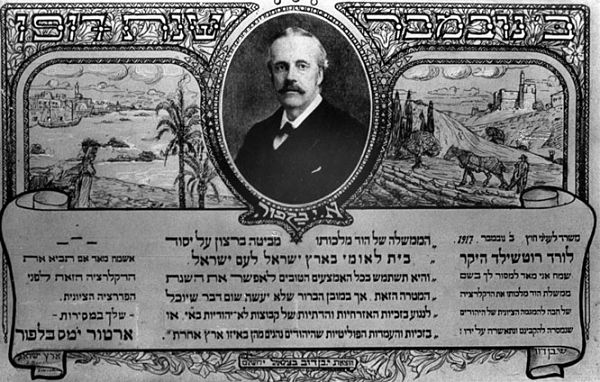
Britain’s Labour Party historically had strong ties to the idea and later the state of Israel. Now a host of factors are challenging the traditional connection to Zionism and even raising concerns of antisemitism.

People often see science as a world apart: cool, rational and untouched by persuasion or performance. In this view, scientists simply discover […] “Research impact” means different things to different people. Some refer broadly to how science changes behaviors, beliefs, or practices outside academic institutions. […] One researcher studies how war affects children, another took a literal worm’s eye view to examine rural development, while two others scrutinized […] David Canter considers informal places where people socialize, suggesting they’re an arena ChatGPT and other LLMs can’no’t replicate. As someone who lives […] It’s become cliche since Clive Humbly coined it in 2006, but data is indeed the new oil. It’s a mantra repeated by […] In September 2025, The Guardian reported about a lawyer in Australia having faced sanctions due to false citations. These citations were not […]
EXPLORE
Impact

Scientists Should Keep in Mind It’s Called the ‘Marketplace of Ideas’ for a Reason
READ MORE

Survey Finds Social Scientists Feel Unsupported in Seeking Societal Impact
READ MORE
Canada’s SSHRC Names 2025 Impact Winners
READ MORE
Innovation

Reaching Parts to Which AI Has No Access
READ MORE

Andrea Medina-Smith on Making Research Data More FAIR
READ MORE

A Status Check on Hallucinated Case Law Incidents
READ MORE