



Could Distributed Peer Review Better Decide Grant Funding?
The landscape of academic grant funding is notoriously competitive and plagued by lengthy, bureaucratic processes, exacerbated by difficulties in finding willing reviewers. Distributed […]

How can leaders encourage their community to adopt COVID-19 protective behaviors? This upcoming webinar will discuss promising strategies from the behavioral and […]
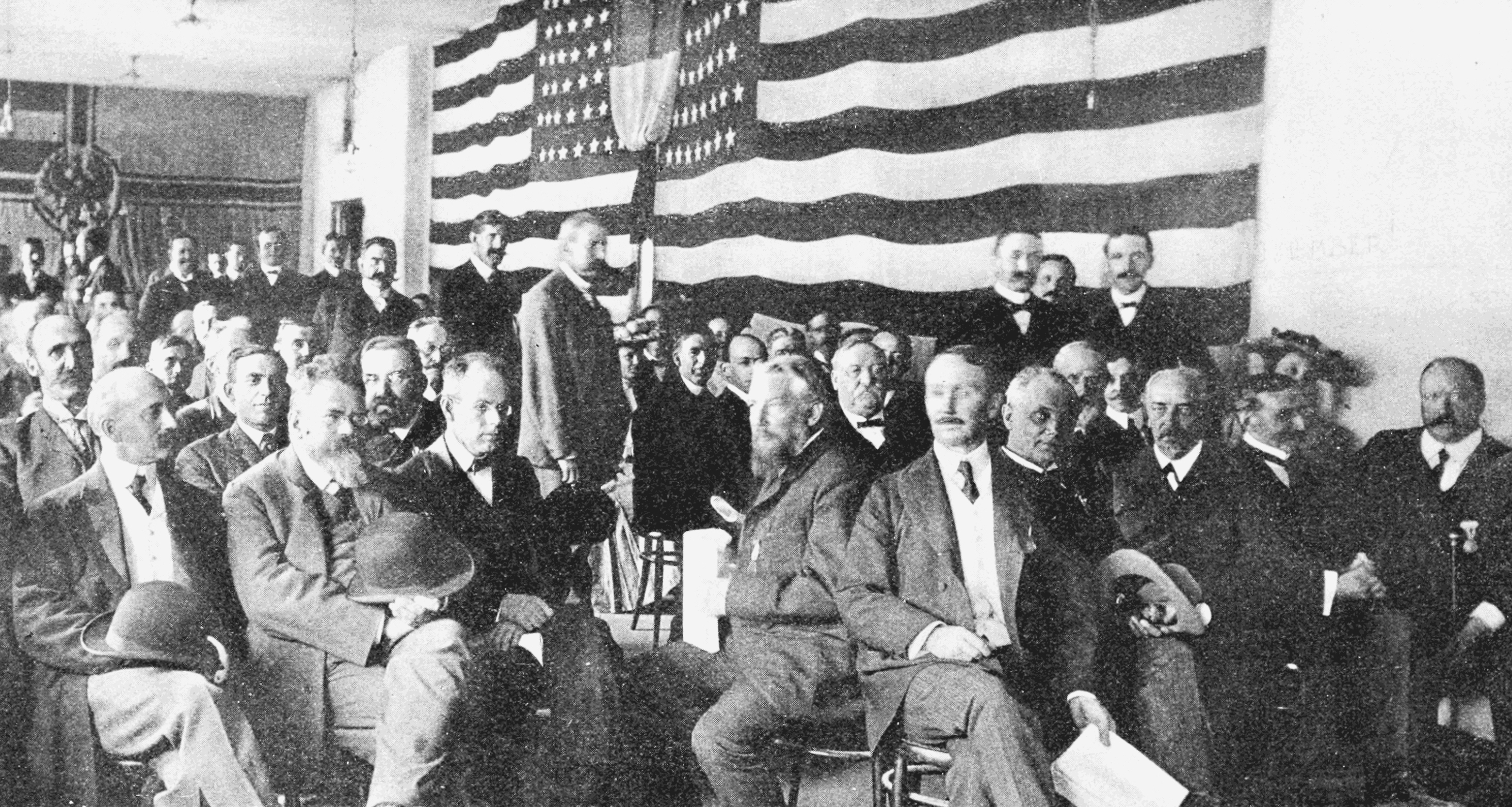
What does Congress want from the National Science Foundation? This content analysis study conducted by Alison Beatty, Arthur Lupia and Stuart Soroka discusses the general trends and focuses on the NSF by Congress based on remarks made between 1995 to 2018.
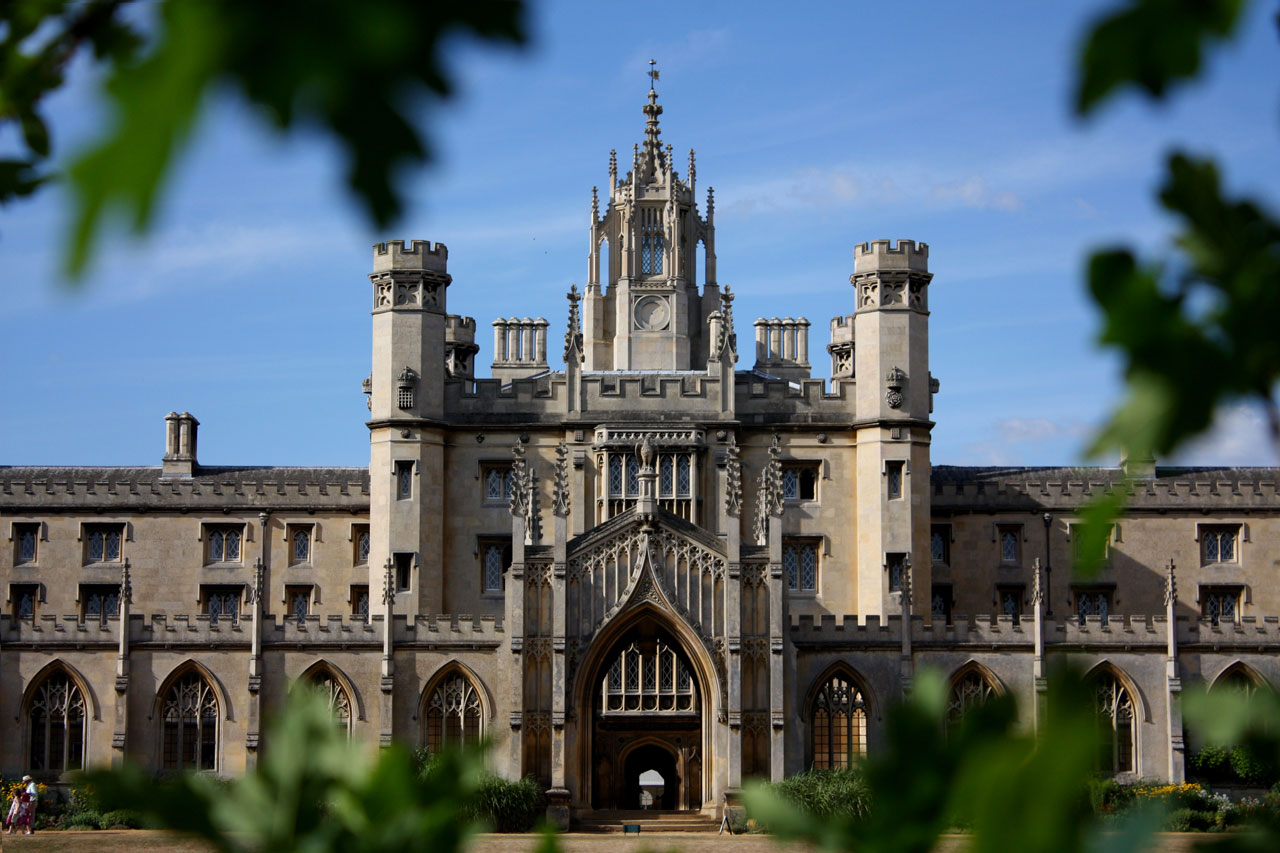
As conversations around decolonization in universities are being afforded greater urgency, some key risks of this institutional capture or inertia to wider decolonization efforts are described by Rima Saini.
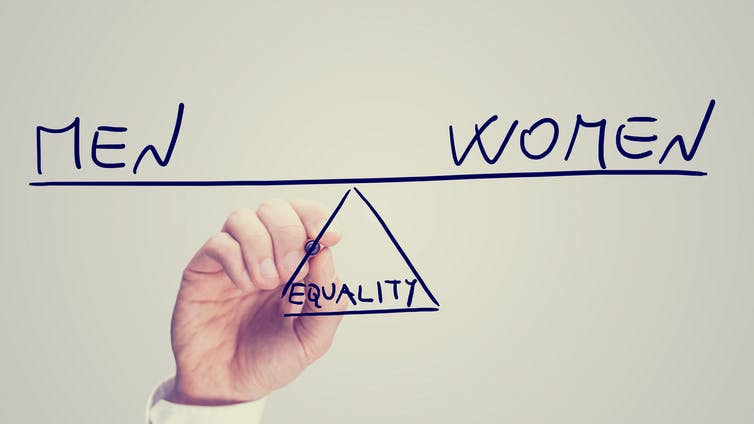
Women are facing additional constraints as a result of COVID-19. These range from the added burdens and responsibilities of working from home, through to the fact that fewer women scientists are being quoted as experts on COVID-19, all the way to far fewer women being part of the cohort producing new knowledge on the pandemic.

As a global pandemic leaves many drowning in the digital, the pleasures of our analog past are ripe for re-discovery. This post from Kip Jones recounts his feelings about the joys of physical media.
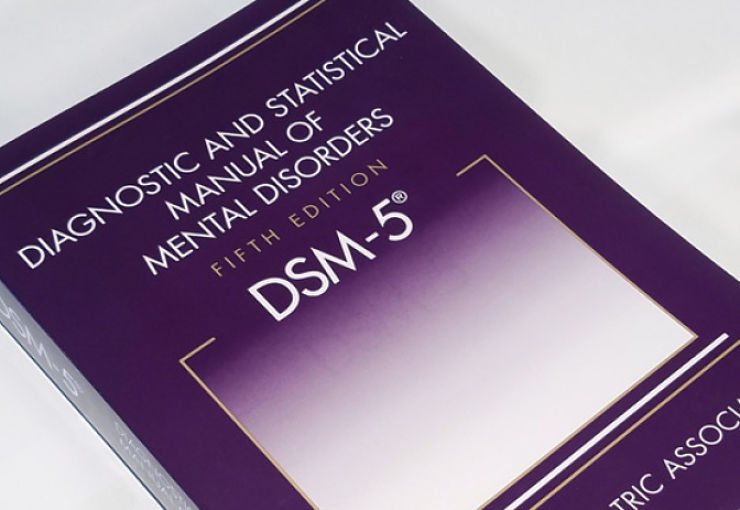
Fabian Fabiano and Nick Haslam researched whether the standard manual of psychiatry was creating runaway diagnostic inflation. Here they explain what they found.

One means of fixing and making ideas tangible, often scorned and neglected in the social sciences, but widely used in STEM, are spinouts. For universities, a spinout is a company formed on the basis of intellectual property from a university or research institute.
In early February, the proposed U.S. government budget for the 2021 fiscal year featured sizable funding cuts to many federally funded social […]


Jürgen Habermas, a globally known social theorist whose explorations of democracy, validity and communication have gained new prominence in the current moment, […] People often see science as a world apart: cool, rational and untouched by persuasion or performance. In this view, scientists simply discover […] “Research impact” means different things to different people. Some refer broadly to how science changes behaviors, beliefs, or practices outside academic institutions. […] David Canter considers informal places where people socialize, suggesting they’re an arena ChatGPT and other LLMs can’no’t replicate. As someone who lives […] It’s become cliche since Clive Humbly coined it in 2006, but data is indeed the new oil. It’s a mantra repeated by […] In September 2025, The Guardian reported about a lawyer in Australia having faced sanctions due to false citations. These citations were not […]
EXPLORE
Impact

Jürgen Habermas, 1929-2026: Exponent of the Public Sphere
READ MORE

Scientists Should Keep in Mind It’s Called the ‘Marketplace of Ideas’ for a Reason
READ MORE

Survey Finds Social Scientists Feel Unsupported in Seeking Societal Impact
READ MORE
Innovation

Reaching Parts to Which AI Has No Access
READ MORE

Andrea Medina-Smith on Making Research Data More FAIR
READ MORE

A Status Check on Hallucinated Case Law Incidents
READ MORE