
Could Distributed Peer Review Better Decide Grant Funding?
The landscape of academic grant funding is notoriously competitive and plagued by lengthy, bureaucratic processes, exacerbated by difficulties in finding willing reviewers. Distributed […]

Within Communist academia, scholarship is managed top-down to a significant degree, for the benefit of part, state and society, and independent research operates in the nooks and crannies that remain. In this institutional environment, independent public speech carries a considerable risk, as does, to an extent, independent thought.
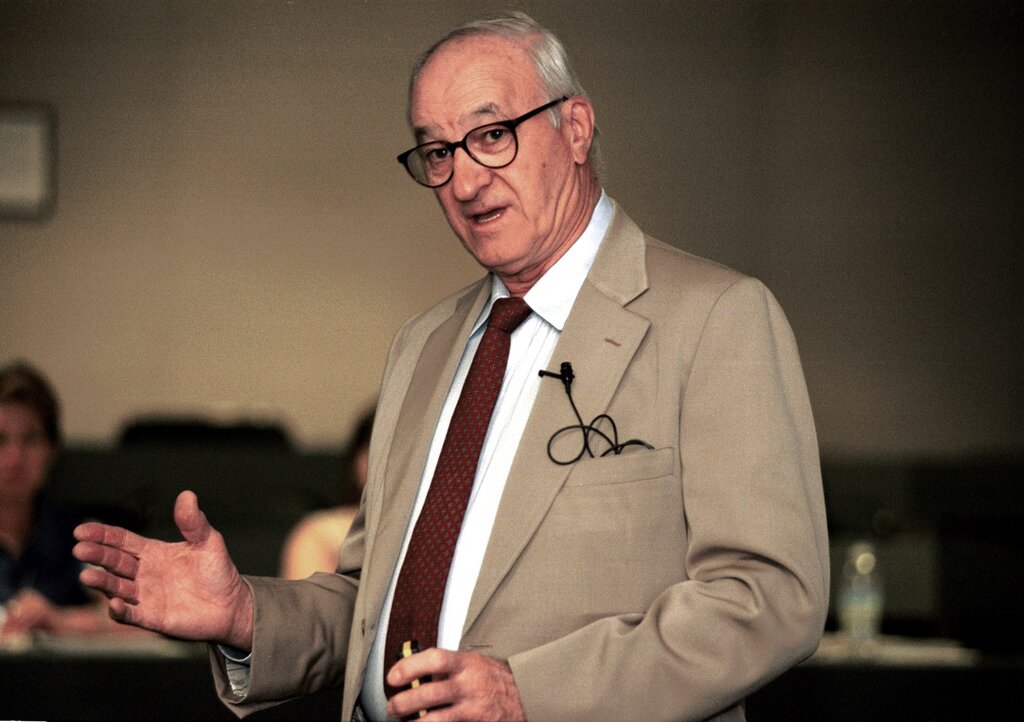
Albert Bandura, a renowned social cognitive psychologist most well-known for his Bobo doll experiments studying aggression, died on July 26 at the age of 95.
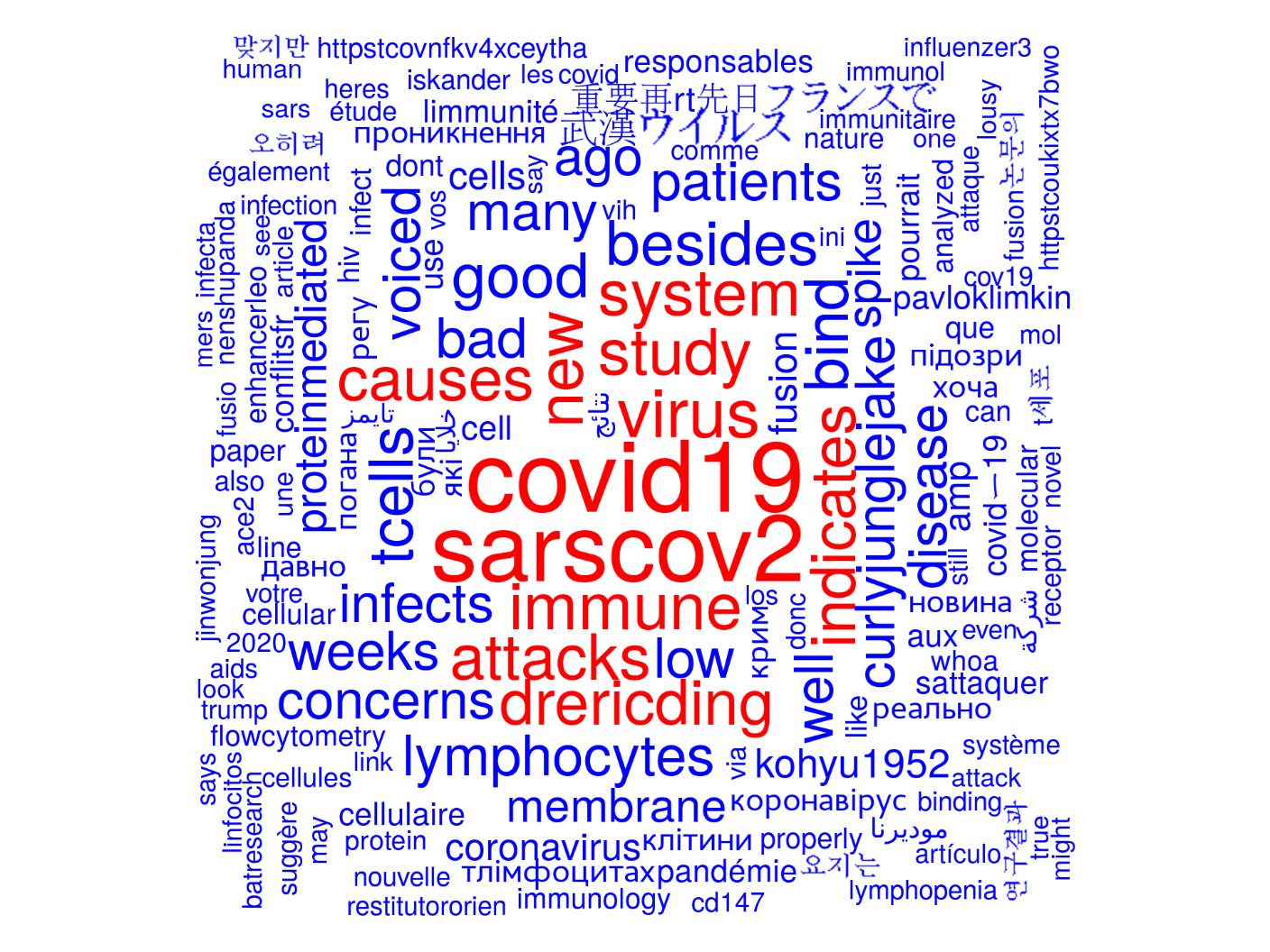
Robin Haunschild and Lutz Bornmann discuss their recent findings on how retracted papers were talked about on the social media platform Twitter and how this can be mapped onto the eventual retraction notices of these articles.

Three key positions in the portion of the National Science Foundation focusing on social science will soon be open, and the foundation – the largest funder of academic social science in the United States — is conducting a national search to fill these key jobs.

Steven Lubet set out to investigate whether ethnography’s characteristic reliance on unverified accounts may sometimes produce misinformation. He argues that In any other academic discipline, his findings would have provoked less umbrage and more reinvestigation.
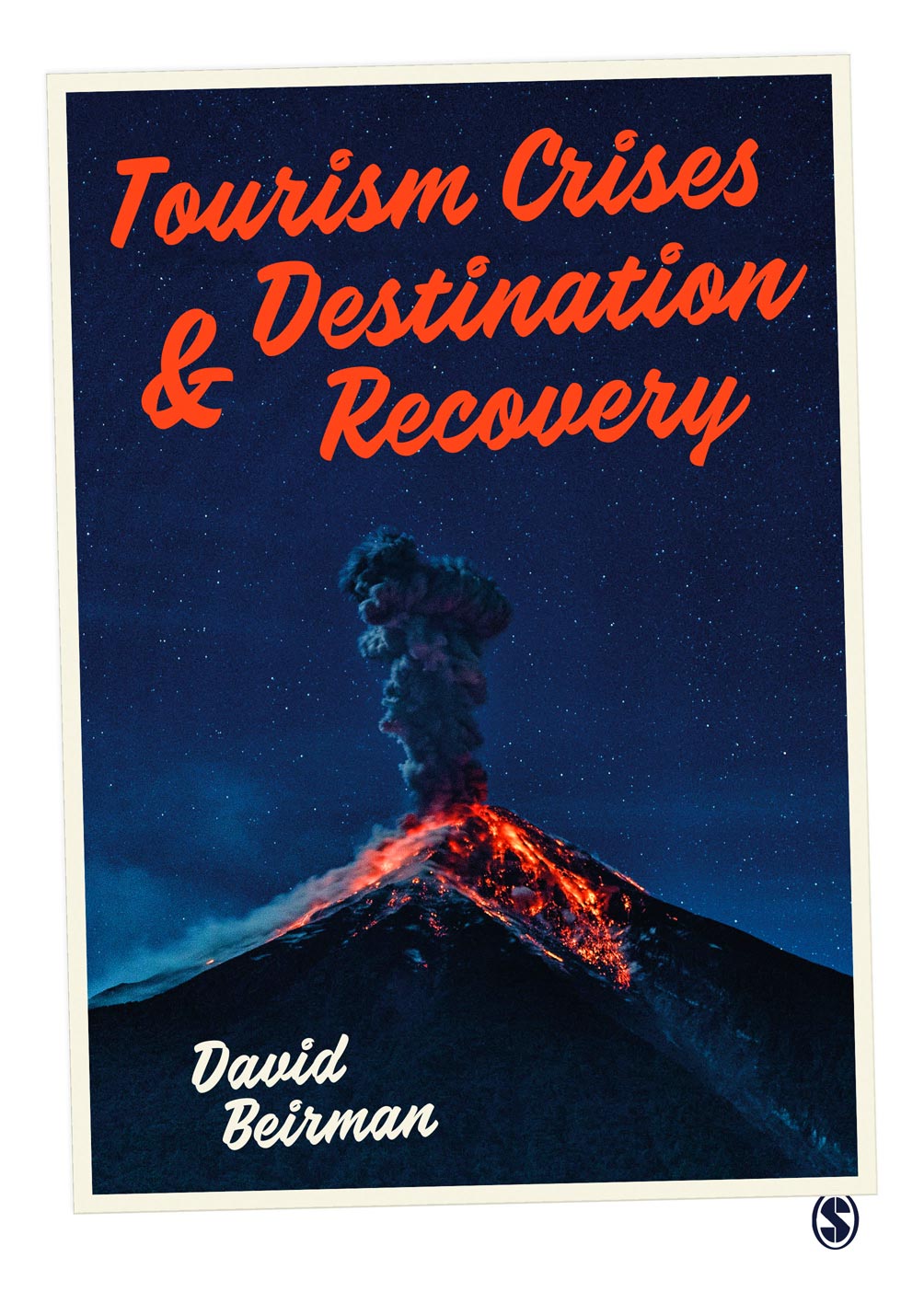
Whether a crisis impacts retailers, banks, manufacturers, miners, construction, traders or tourism, says David Beirman, the management of recovery operates under a surprisingly similar set of rules.
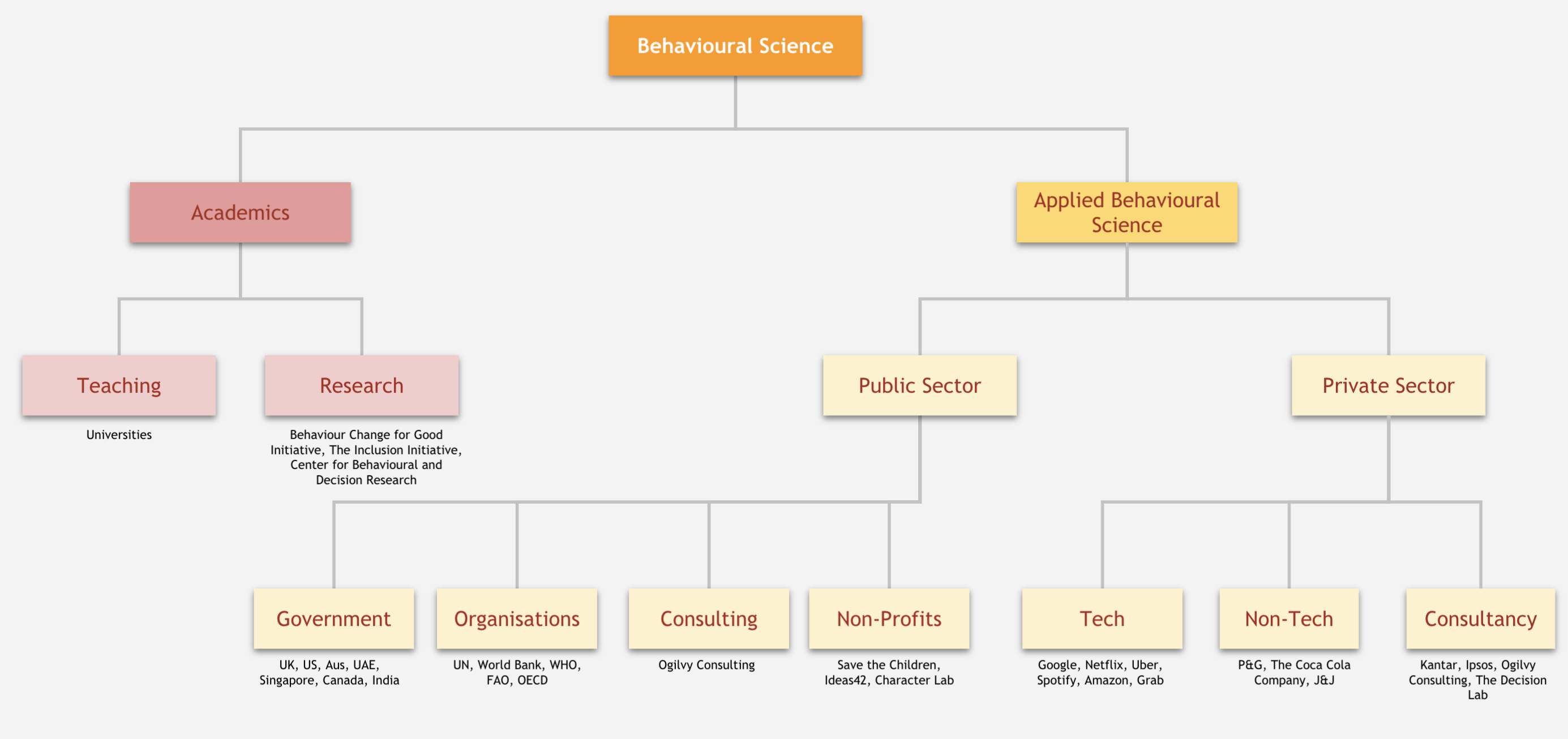
Practicing behavioral scientist Preeti Kotamarthi finds it reassuring to know that this subject, which literally burst on the scene only a few years ago, has gained acceptance around the world, and students brave enough to study it now have a career to look forward to.
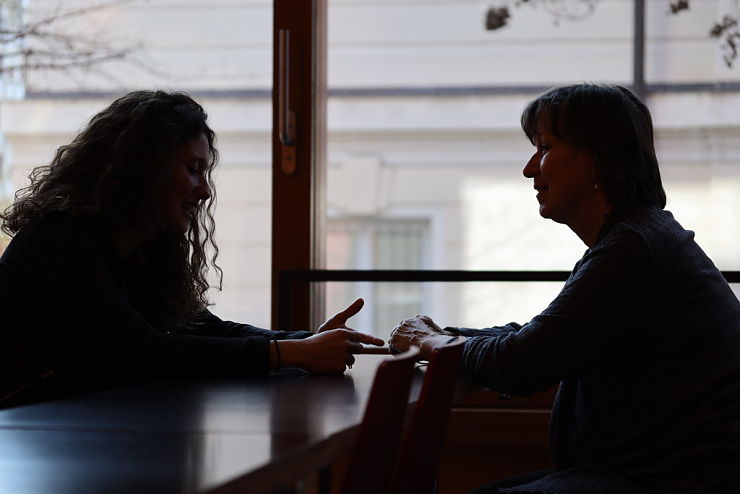
Shamser Sinha draws on his experience in qualitative research as well as playwriting to reflect on how traditional social science research methods can learn from creative fields to better contextualize findings and recognize the humanity behind them.

Jürgen Habermas, a globally known social theorist whose explorations of democracy, validity and communication have gained new prominence in the current moment, […] People often see science as a world apart: cool, rational and untouched by persuasion or performance. In this view, scientists simply discover […] “Research impact” means different things to different people. Some refer broadly to how science changes behaviors, beliefs, or practices outside academic institutions. […] David Canter considers informal places where people socialize, suggesting they’re an arena ChatGPT and other LLMs can’no’t replicate. As someone who lives […] It’s become cliche since Clive Humbly coined it in 2006, but data is indeed the new oil. It’s a mantra repeated by […] In September 2025, The Guardian reported about a lawyer in Australia having faced sanctions due to false citations. These citations were not […]
EXPLORE
Impact

Jürgen Habermas, 1929-2026: Exponent of the Public Sphere
READ MORE

Scientists Should Keep in Mind It’s Called the ‘Marketplace of Ideas’ for a Reason
READ MORE

Survey Finds Social Scientists Feel Unsupported in Seeking Societal Impact
READ MORE
Innovation

Reaching Parts to Which AI Has No Access
READ MORE

Andrea Medina-Smith on Making Research Data More FAIR
READ MORE

A Status Check on Hallucinated Case Law Incidents
READ MORE