
Could Distributed Peer Review Better Decide Grant Funding?
The landscape of academic grant funding is notoriously competitive and plagued by lengthy, bureaucratic processes, exacerbated by difficulties in finding willing reviewers. Distributed […]

Steven Lubet set out to investigate whether ethnography’s characteristic reliance on unverified accounts may sometimes produce misinformation. He argues that In any other academic discipline, his findings would have provoked less umbrage and more reinvestigation.
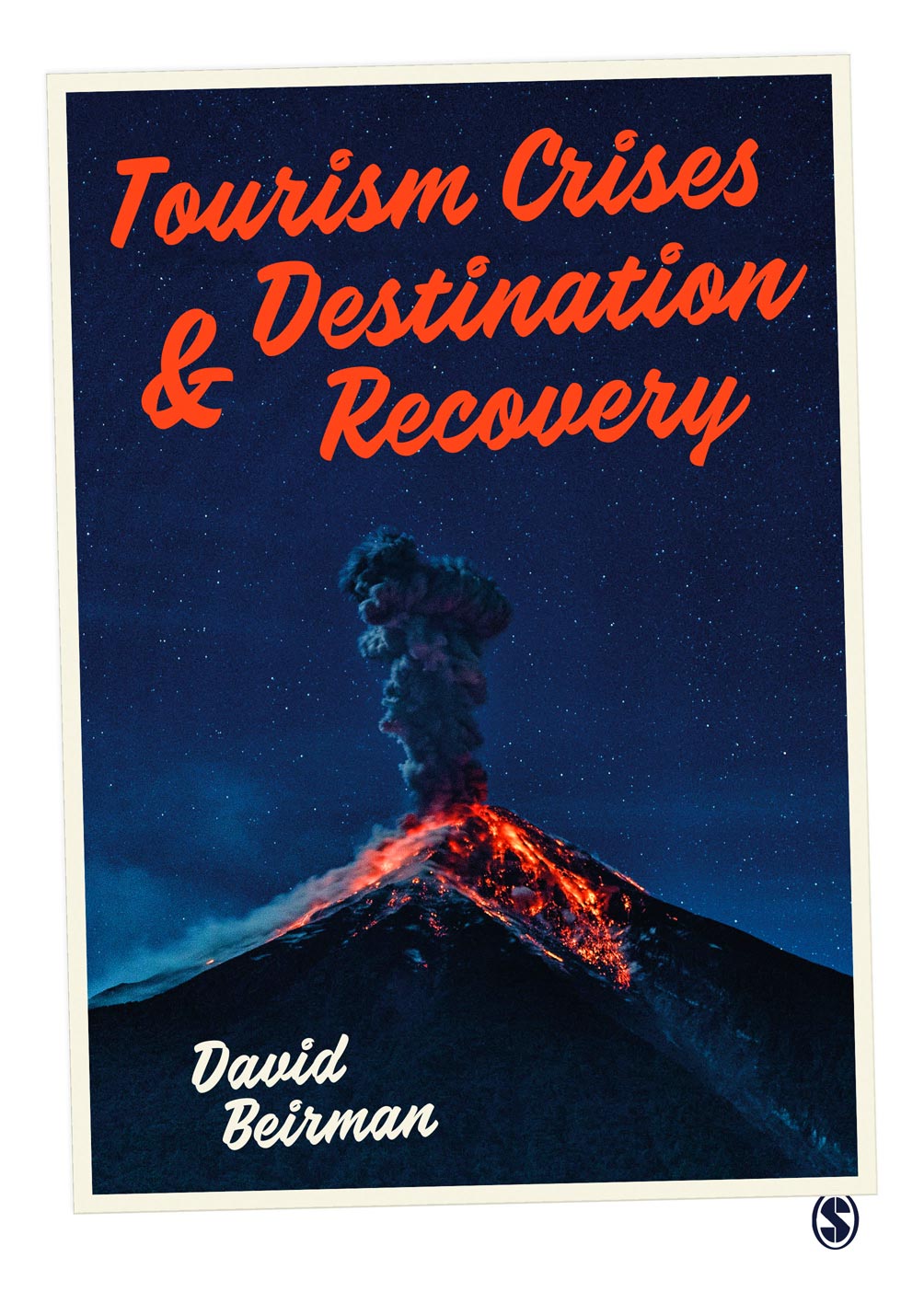
Whether a crisis impacts retailers, banks, manufacturers, miners, construction, traders or tourism, says David Beirman, the management of recovery operates under a surprisingly similar set of rules.
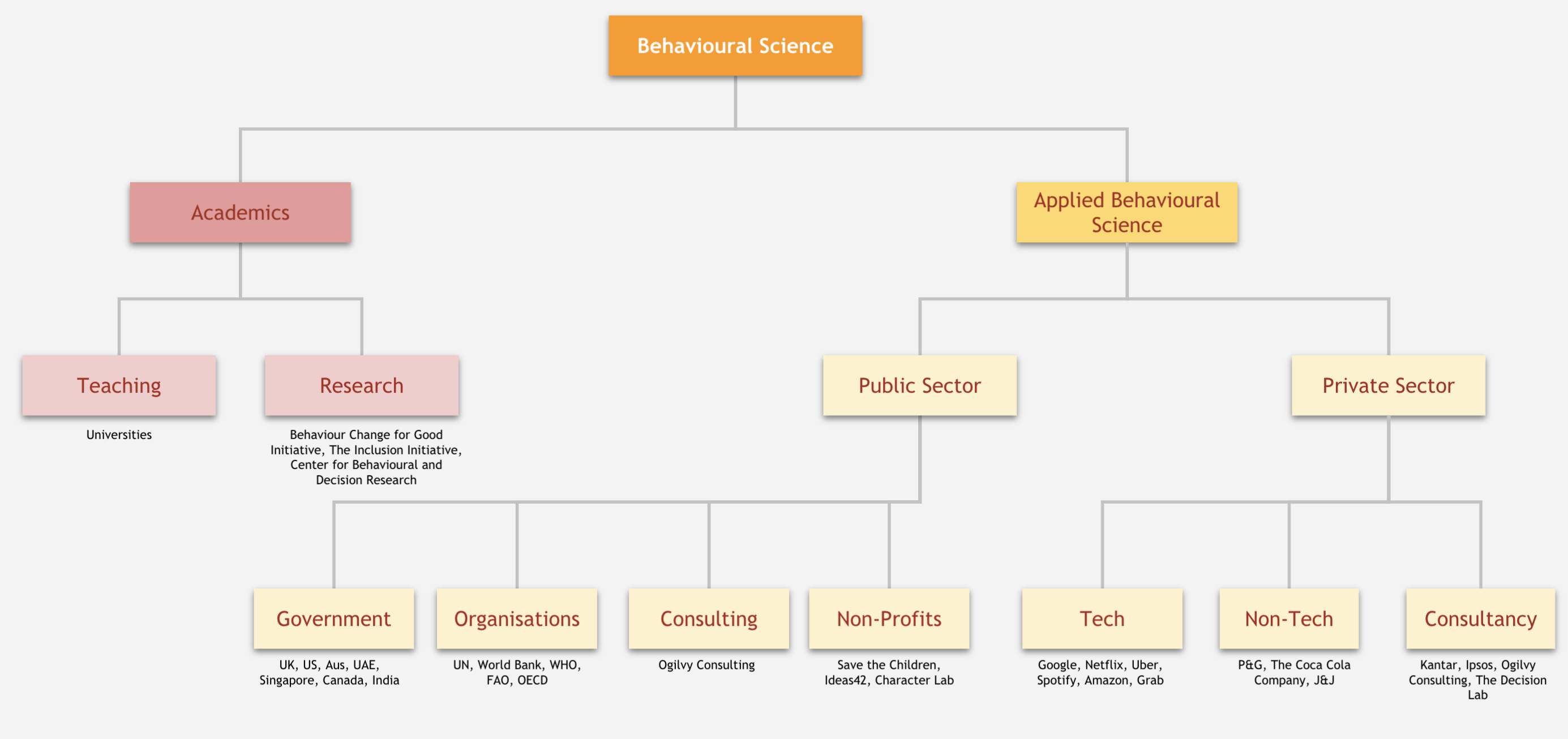
Practicing behavioral scientist Preeti Kotamarthi finds it reassuring to know that this subject, which literally burst on the scene only a few years ago, has gained acceptance around the world, and students brave enough to study it now have a career to look forward to.
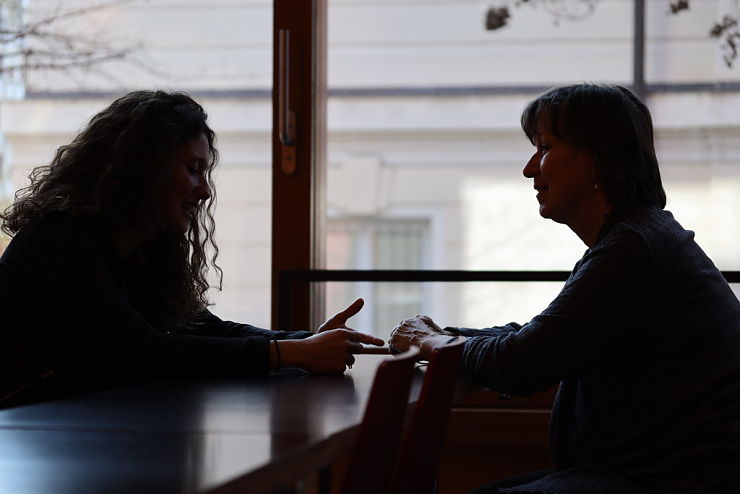
Shamser Sinha draws on his experience in qualitative research as well as playwriting to reflect on how traditional social science research methods can learn from creative fields to better contextualize findings and recognize the humanity behind them.

The authors of a new book on community-led research ask how to move research ‘done to’ and ‘on people’ towards ‘for and with people.’ It features both community and academic voices and reflects on research that foregrounds non-academic priorities.

In this hour-long webinar, a funder, editor, and publisher will share what they are doing to make a more inclusive research environment, challenges they face along the way, and ideas for future improvement.

A general assumption is that if a scholar studies religion, then it can only be because they have motives that are only partly scholarly. This is untrue, but the long shadow of theology unhelpfully hangs over us.
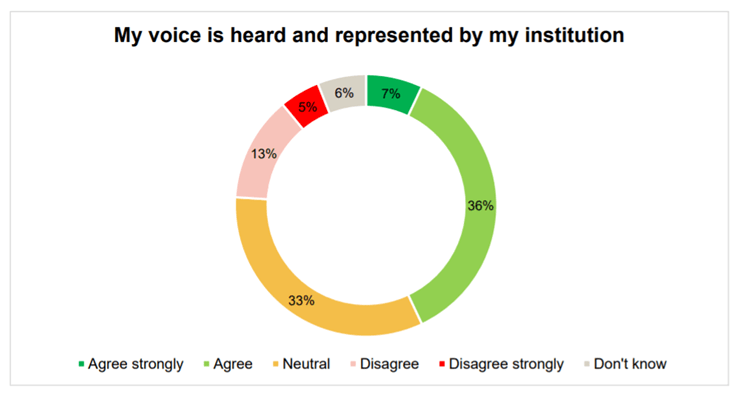
Despite the extraordinary circumstances of the last year, this year’s Student Academic Experience Survey, its results and recommendations are a great opportunity for higher education institutions to implement long-lasting change.

The Royal Swedish Academy of Sciences has awarded this year’s Nobel Prize in Economic Sciences to the American economists Robert E. Hall […] Four Americans working in the social and behavioral sciences are among the 20 people named MacArthur Fellows this year. Recipients may be […] Euan Adie, the founder of Altmetric and later of Overton, discusses the reasons the led to Overton’s focus on showing researchers how […] The following is an adapted extract from The Cultural Industries, fifth edition, by David Hesmondhalgh. The increasing presence of information technology (IT) […] Developers of AI data centers have a public trust problem. According to multiple surveys, a majority of Americans say they would oppose […] I was adding some final flourishes on the topic of ‘iatrocracy’ to my forthcoming book with Natewindé Sawadogo – Sickness and Social […]
EXPLORE
Impact
Economic Peaks, Troughs and This Year’s Nobelists in Economics
READ MORE
Four From Social Science World Receive 2026 MacArthur Fellowships
READ MORE

Quick Insight: Euan Adie on Getting Academics Credit for Their Impact
READ MORE
Innovation

IT Giants and Their Operations: Should We Be Concerned?
READ MORE

What We Miss When We Study Public Trust with Surveys Alone
READ MORE

AI and ‘Iatrocracy’ – A Cautionary Tale
READ MORE