

Could Distributed Peer Review Better Decide Grant Funding?
The landscape of academic grant funding is notoriously competitive and plagued by lengthy, bureaucratic processes, exacerbated by difficulties in finding willing reviewers. Distributed […]

The TV series Civilisation shows us many beautiful images and links them with a compelling narrative. But it is a narrative of its time and place.
What is the best strategy for finding someone missing in the wilderness? It’s complicated, but the method known as ‘Lost Person Behavior’ seems to offers some hope.
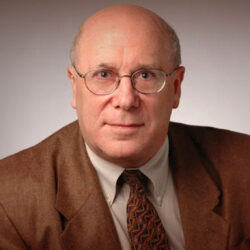
As he stands down from a two-year stint as the president of the Federation of Associations in Behavioral & Brain Sciences, or FABBS, Social Science Space took the opportunity to download a fraction of the experiences of cognitive psychologist Philip Rubin, especially his experiences connecting science and policy.
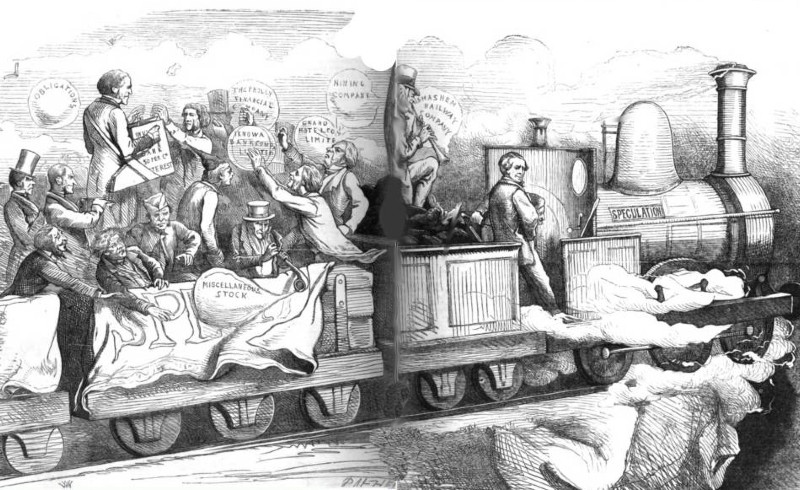
Cryptocurrencies are so last year. Today’s moral panic is about AI and machine learning. Governments around the world are hastening to adopt […]

The National Academies of Sciences, Engineering and Medicine is seeking suggestions for experts interested in its Committee on Law and Justice (CLAJ) […]
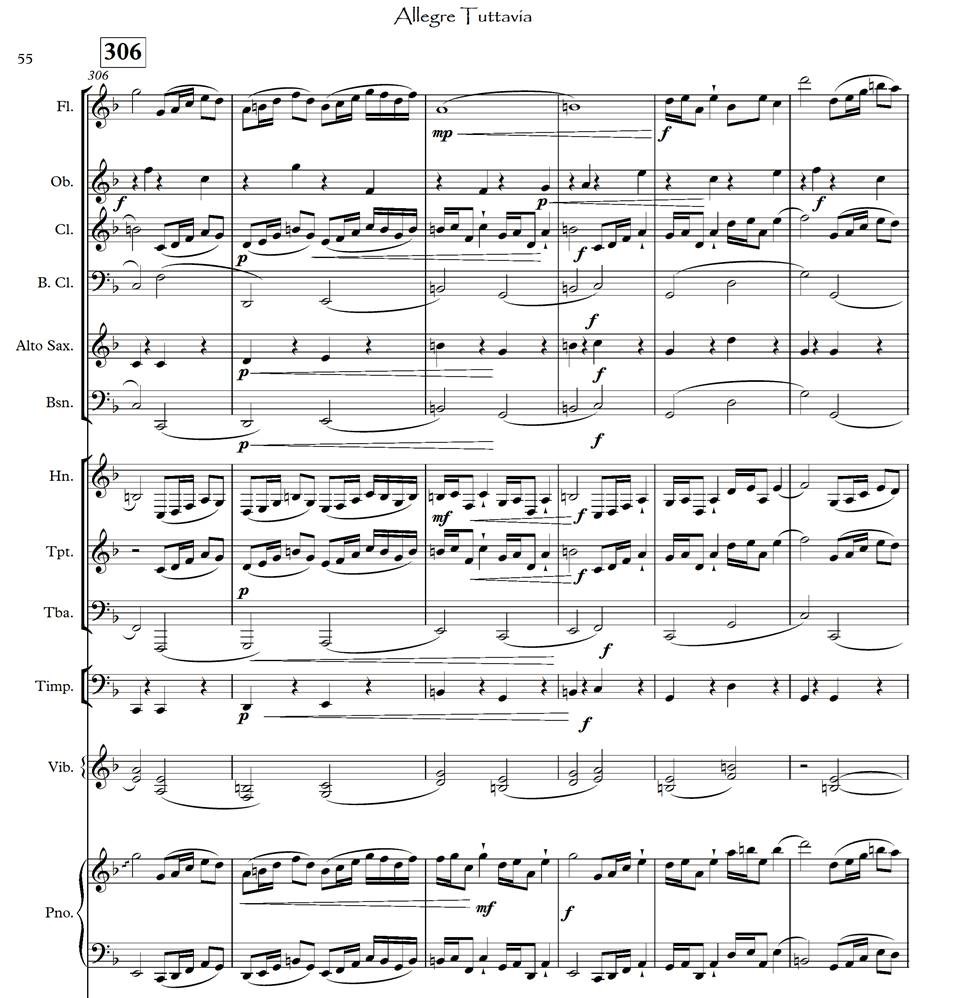
Our long-time blogger David Canter considers what he has learned while completing his PhD in music composition. He spent a lifetime as a social scientist, requiring every argument to be bolstered by some form of empirical evidence, or at least a supportive citation from the works of others. The contrast of developing an approach to composing music that can be regarded as ‘a contribution to knowledge’, has made him aware that there are many ways of knowing which scientists, especially social scientists and psychologists, ignore at their peril.

Half of Americans say they enjoy true crime — stories portraying real-life instances of murder, kidnapping and other shocking crimes — and 35 percent say they consume true crime content at least once a week. Why are people, especially women, so fascinated with the genre, and how does interest in the who-done-it affect consumers’ thoughts and behaviors

Reflecting on their work on the recent BIAS project, the authors traced some of the challenges we faced carrying out interdisciplinary research and the strategies we developed to mitigate them.

The Royal Swedish Academy of Sciences has awarded this year’s Nobel Prize in Economic Sciences to the American economists Robert E. Hall […] Four Americans working in the social and behavioral sciences are among the 20 people named MacArthur Fellows this year. Recipients may be […] Euan Adie, the founder of Altmetric and later of Overton, discusses the reasons the led to Overton’s focus on showing researchers how […] The following is an adapted extract from The Cultural Industries, fifth edition, by David Hesmondhalgh. The increasing presence of information technology (IT) […] Developers of AI data centers have a public trust problem. According to multiple surveys, a majority of Americans say they would oppose […] I was adding some final flourishes on the topic of ‘iatrocracy’ to my forthcoming book with Natewindé Sawadogo – Sickness and Social […]
EXPLORE
Impact
Economic Peaks, Troughs and This Year’s Nobelists in Economics
READ MORE
Four From Social Science World Receive 2026 MacArthur Fellowships
READ MORE

Quick Insight: Euan Adie on Getting Academics Credit for Their Impact
READ MORE
Innovation
IT Giants and Their Operations: Should We Be Concerned?
READ MORE
What We Miss When We Study Public Trust with Surveys Alone
READ MORE

AI and ‘Iatrocracy’ – A Cautionary Tale
READ MORE