



Could Distributed Peer Review Better Decide Grant Funding?
The landscape of academic grant funding is notoriously competitive and plagued by lengthy, bureaucratic processes, exacerbated by difficulties in finding willing reviewers. Distributed […]

When the fixed categories of a census erase the diversity of a population, the gross miscalculations that result may harm a country’s ability to appropriately respond to the needs of its people.

Jeremy Mackey, an associate professor of management at Auburn University, discusses the importance of interdisciplinary research and answers questions about the paper, “Musing about Interdisciplinary Research: Is Interdisciplinary Research Amusing or Bemusing?”

As violent conflicts become both more pervasive and more localized, a better understanding of how entrepreneurship and peace interact in conflict zones will prove most useful.

How can organizations get their members to engage in sustainability practices? The authors outlines several mechanisms.
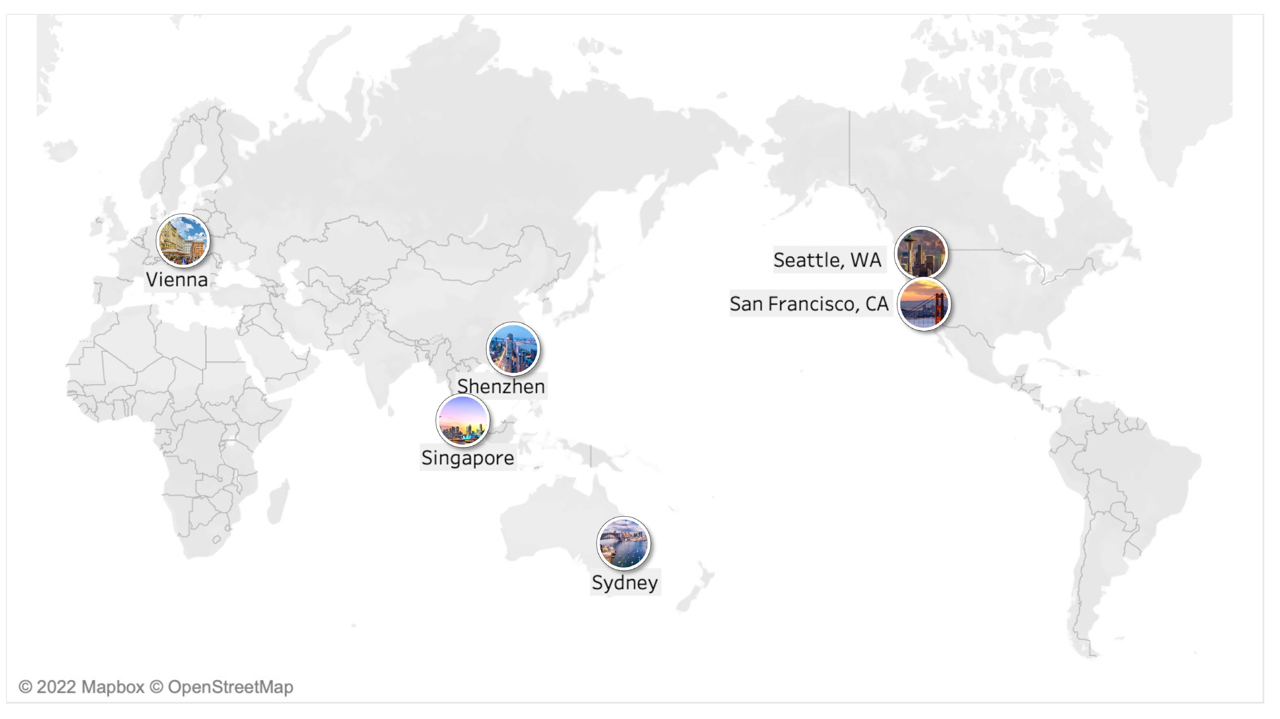
A multi-place research project in six cities worldwide in the journal ‘Global Perspectives’ brings a new angle to a examination of the civic life of cities.
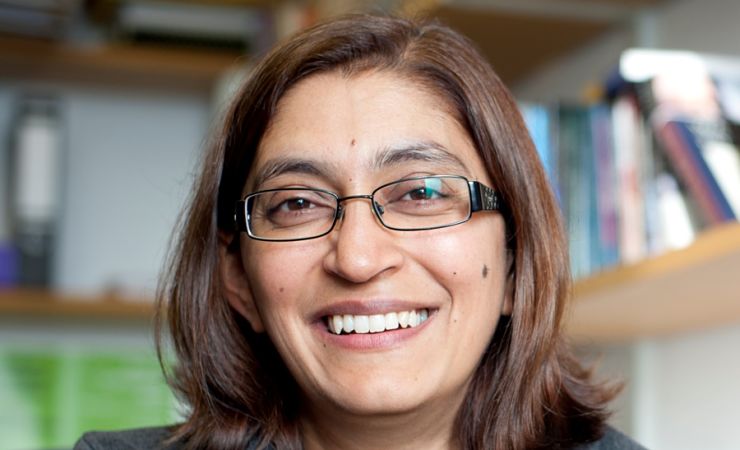
Reflecting on work uncovering the colonial genealogies of foundational works in the social sciences, Gurminder K Bhambra argues for a reparatory social science and highlights three challenges that any reparatory project must face in order to be successful.

Most academic research on climate change at the nexus of business and society supports a view that the best agenda is enlightened business-as-usual. The authors suggest real progress needs to account for the flow of time and primacy of place.

Despite their pertinence for academia, the authors found little methodological guidance on one of ‘The’ key and most time-intensive steps in meta-analytic research projects – Coding.


As part of his 2026 budget proposal, Andy Burnham, the United Kingdom’s prime minister, has called for “good growth in every postcode.” […] The Royal Swedish Academy of Sciences has awarded this year’s Nobel Prize in Economic Sciences to the American economists Robert E. Hall […] Four Americans working in the social and behavioral sciences are among the 20 people named MacArthur Fellows this year. Recipients may be […] The following is an adapted extract from The Cultural Industries, fifth edition, by David Hesmondhalgh. The increasing presence of information technology (IT) […] Developers of AI data centers have a public trust problem. According to multiple surveys, a majority of Americans say they would oppose […] I was adding some final flourishes on the topic of ‘iatrocracy’ to my forthcoming book with Natewindé Sawadogo – Sickness and Social […]
EXPLORE
Impact

A Conversation with Diane Coyle on Bridging Media, Government and Academe
READ MORE

Economic Peaks, Troughs and This Year’s Nobelists in Economics
READ MORE

Four From Social Science World Receive 2026 MacArthur Fellowships
READ MORE
Innovation

IT Giants and Their Operations: Should We Be Concerned?
READ MORE

What We Miss When We Study Public Trust with Surveys Alone
READ MORE

AI and ‘Iatrocracy’ – A Cautionary Tale
READ MORE