

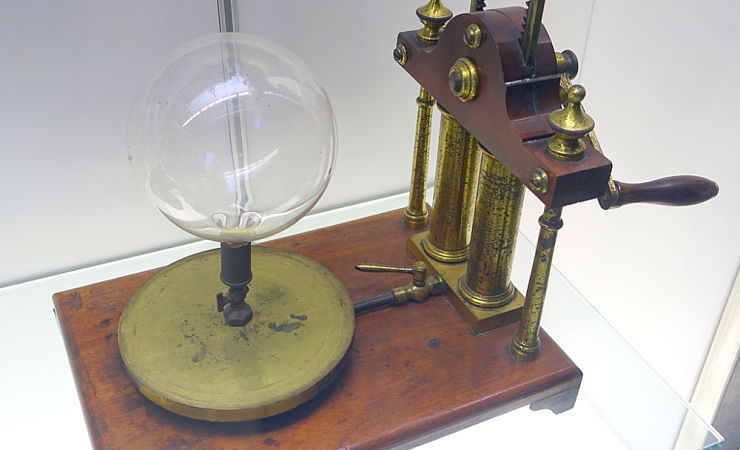


Could Distributed Peer Review Better Decide Grant Funding?
The landscape of academic grant funding is notoriously competitive and plagued by lengthy, bureaucratic processes, exacerbated by difficulties in finding willing reviewers. Distributed […]

Join the National Center for Science and Engineering Statistics and the Coleridge Initiative for a two-day conference to advance understanding of the […]
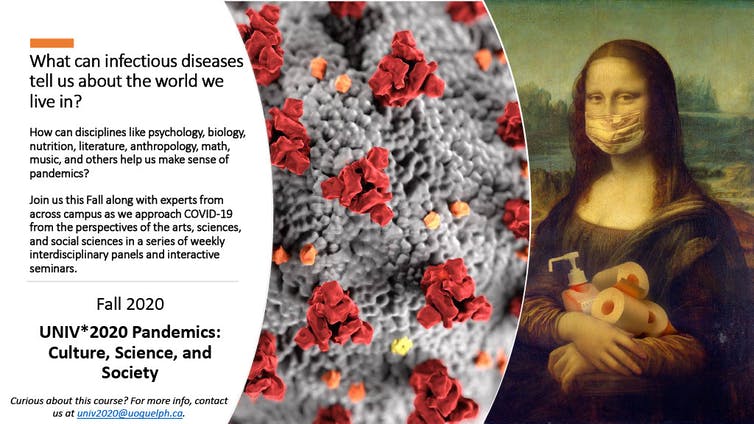
An anthropologist, a biologist and a historian at the University of Guelph jointly held a summer online course on all aspects of the COVID-19 pandemic. It was a hit

Intersectional problems require interdisciplinary thinking. So when we think about race and racism, it might be worth asking – what are we not seeing by limiting ourselves to a single discipline?
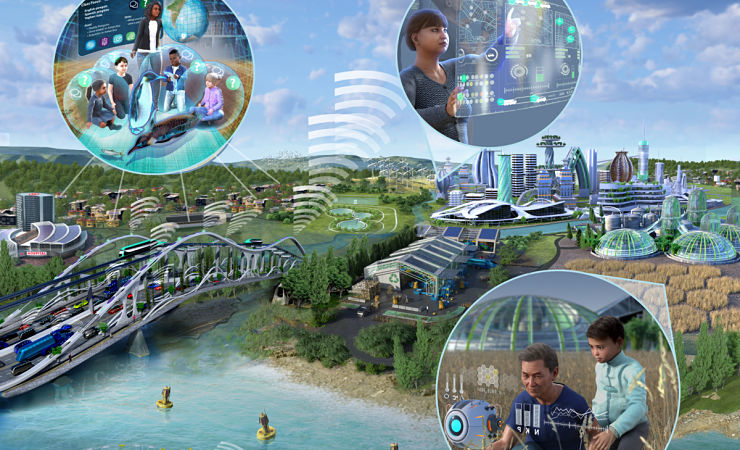
The NSF asked researchers across the social, behavioral and economic sciences are encouraged to submit proposals to the Future of Work at the Human-Technology Frontier: Core Research solicitation by March 23
Ziyad Marar, Sage’s president of global publishing, reflects on how his career and his studies of psychology, linguistics and philosophy leave him thinking a social science imagination benefits us as individuals and improves society more generally, especially in times of upheaval and reconfiguration.
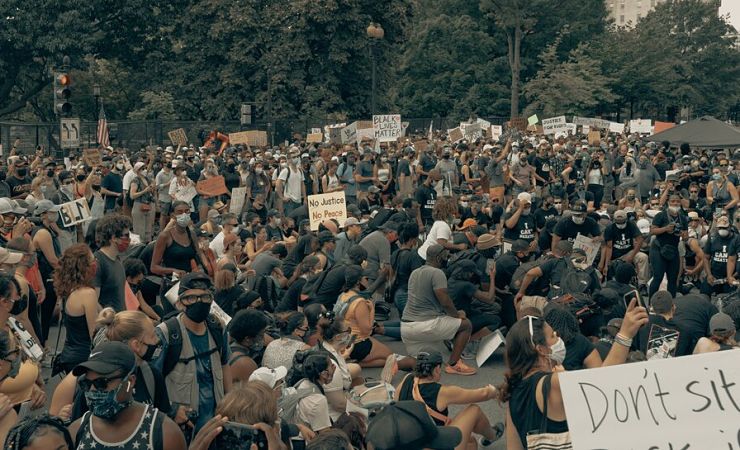
This year has exposed a lot of glaring flaws in how modern society functions, not least of which its relationship with race […]
In the previous post Mathew Flinders identified the ways in which collaborative research touches the emotions of academics and places different kinds of demands […]

The simple fact is that deep, embedded, collaborative research whereby researchers work hand-in-hand with community participants in order to reveal new perspectives […]

Jürgen Habermas, a globally known social theorist whose explorations of democracy, validity and communication have gained new prominence in the current moment, […] People often see science as a world apart: cool, rational and untouched by persuasion or performance. In this view, scientists simply discover […] “Research impact” means different things to different people. Some refer broadly to how science changes behaviors, beliefs, or practices outside academic institutions. […] David Canter considers informal places where people socialize, suggesting they’re an arena ChatGPT and other LLMs can’no’t replicate. As someone who lives […] It’s become cliche since Clive Humbly coined it in 2006, but data is indeed the new oil. It’s a mantra repeated by […] In September 2025, The Guardian reported about a lawyer in Australia having faced sanctions due to false citations. These citations were not […]
EXPLORE
Impact

Jürgen Habermas, 1929-2026: Exponent of the Public Sphere
READ MORE

Scientists Should Keep in Mind It’s Called the ‘Marketplace of Ideas’ for a Reason
READ MORE

Survey Finds Social Scientists Feel Unsupported in Seeking Societal Impact
READ MORE
Innovation

Reaching Parts to Which AI Has No Access
READ MORE

Andrea Medina-Smith on Making Research Data More FAIR
READ MORE

A Status Check on Hallucinated Case Law Incidents
READ MORE