

Could Distributed Peer Review Better Decide Grant Funding?
The landscape of academic grant funding is notoriously competitive and plagued by lengthy, bureaucratic processes, exacerbated by difficulties in finding willing reviewers. Distributed […]
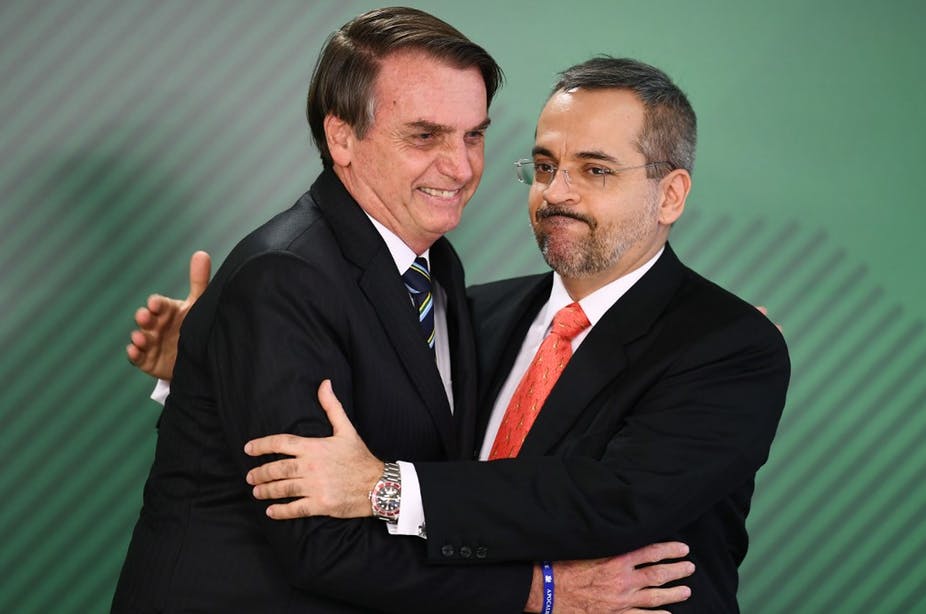
Brazil’s far-right president, Jair Bolsonaro, threatens to slash funding to sociology and philosophy departments. It was just the opening shot in a new battle against the humanities.
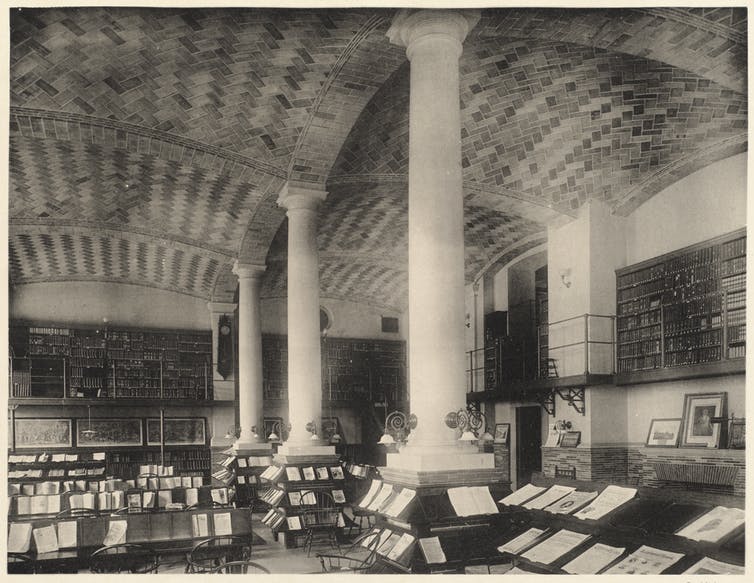
In the wake of Elsevier shuttering access to its current journal articles at the University of California, the university librarian at UC-Davis reviews the context of the dispute and argues open access offers the best path for academia’s future.
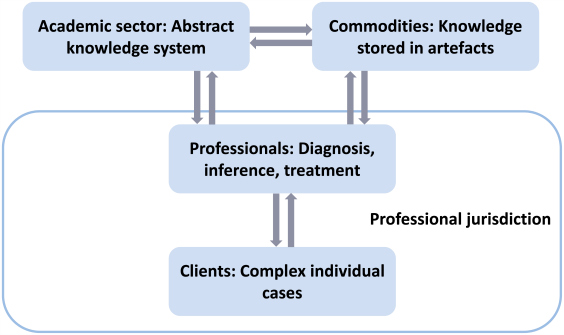
Arlette Jappe, David Pithan and Thomas Heinze find that the growth in the volume of ‘evaluative citation analysis’ publications has not led to the formation of an intellectual field with strong reputational control. This has left a gap which has been filled by commercial database providers, who by selecting and distributing research metrics have gained a powerful role in defining standards of research excellence without being challenged by expert authority.

It is always important in reporting and media to have a story that is being represented accurately. With skewed assumptions and loaded […]

Britain’s former chief economist knows a thing or two about the impact of immigration on native Britons. In this Social Science Bites podcast, he reviews what data can tell us about the UK’s current heavy inflow — such as that new arrivals create both supply AND demand.
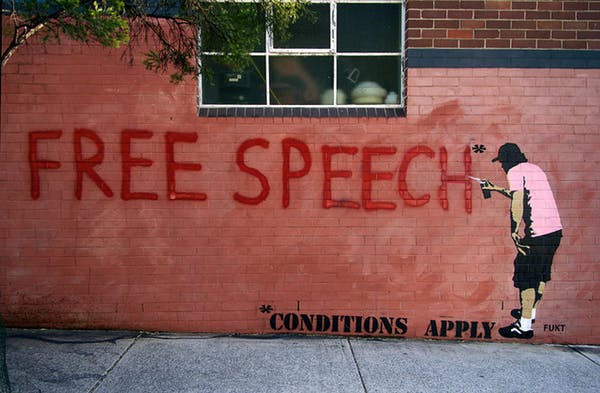
Concerns that free speech is being on university campuses, at least in the United Kingdom, are overblown, with the biggest threat originating not on campuses but from the government and its Prevent program. That’s a key takeaway in a new paper from Britain’s Higher Education Policy Institute, Free Speech and Censorship on Campus.
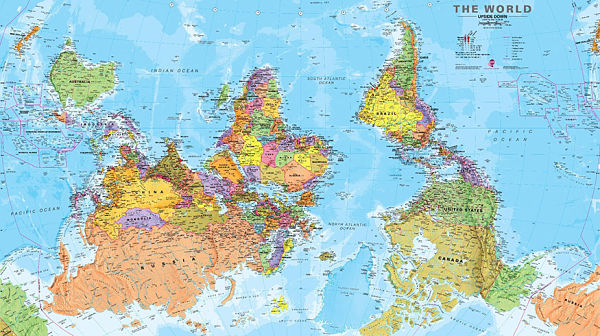
In recent years, sociology has begun a twin global and decolonial turn, marked by a series of high-profile publications that have sought to engage with sociology’s roots outside the Global Northwest. So how effective have these efforts been?

David Canter considers the possible impact on criminals of accounts of psychologists’ contributions to solving crime. “Typically, criminals do not have the intellectual abilities to study academic or true-crime to learn how to avoid detection.”


Jürgen Habermas, a globally known social theorist whose explorations of democracy, validity and communication have gained new prominence in the current moment, […] People often see science as a world apart: cool, rational and untouched by persuasion or performance. In this view, scientists simply discover […] “Research impact” means different things to different people. Some refer broadly to how science changes behaviors, beliefs, or practices outside academic institutions. […] David Canter considers informal places where people socialize, suggesting they’re an arena ChatGPT and other LLMs can’no’t replicate. As someone who lives […] It’s become cliche since Clive Humbly coined it in 2006, but data is indeed the new oil. It’s a mantra repeated by […] In September 2025, The Guardian reported about a lawyer in Australia having faced sanctions due to false citations. These citations were not […]
EXPLORE
Impact

Jürgen Habermas, 1929-2026: Exponent of the Public Sphere
READ MORE

Scientists Should Keep in Mind It’s Called the ‘Marketplace of Ideas’ for a Reason
READ MORE

Survey Finds Social Scientists Feel Unsupported in Seeking Societal Impact
READ MORE
Innovation

Reaching Parts to Which AI Has No Access
READ MORE

Andrea Medina-Smith on Making Research Data More FAIR
READ MORE

A Status Check on Hallucinated Case Law Incidents
READ MORE