

Could Distributed Peer Review Better Decide Grant Funding?
The landscape of academic grant funding is notoriously competitive and plagued by lengthy, bureaucratic processes, exacerbated by difficulties in finding willing reviewers. Distributed […]
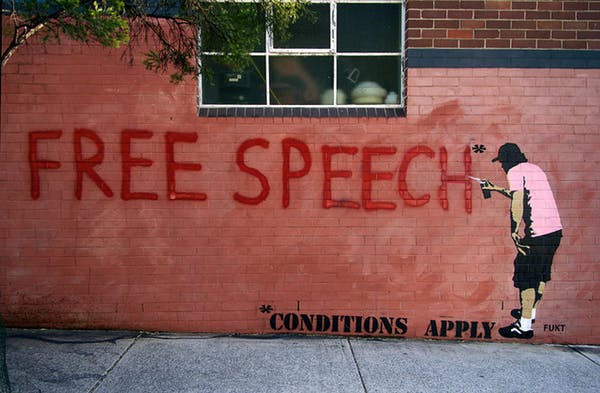
Some language in campus speech legislation may be largely symbolic and not change what many colleges are already doing. But, argues Neal Hutchens, some provisions in legislation could change campus speech rules in important ways.

The ‘replication crisis’ certainly is uncomfortable for many scientists whose work gets undercut, and the rate of failures may currently be unacceptably high. But psychologist and statistician Eric Loken argues that confronting the replication crisis is good for science as a whole.
In his second article in a series on impact, Louis Coiffait looks at how REF and KEF treat impact in the UK.
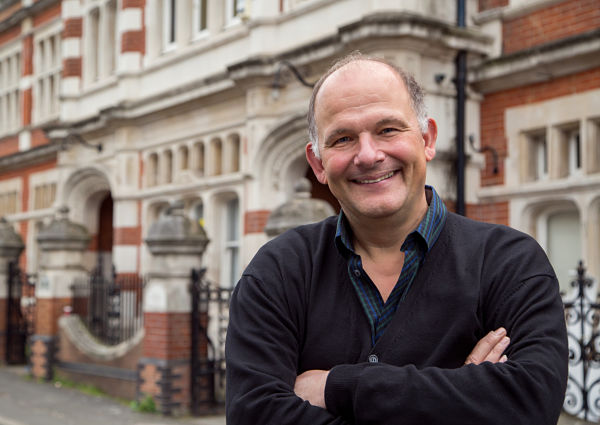
Reflecting on his new book Migrant City, Goldsmiths sociologist Les Back tells interviewer David Edmonds in this Social Science Bites podcast, co-author and co-researcher Shamser Sinha and Back learned their work was “not really just a migrants’ story; it’s the story of London but told through and eyes, ears and attentiveness of 30 adult migrants from all corners of the world.”

The war on gender studies is a pillar in the authoritarian critique of liberalism. But for many scholars, argues Jennifer Evans, it is a sign of the times for liberal democracies as well.
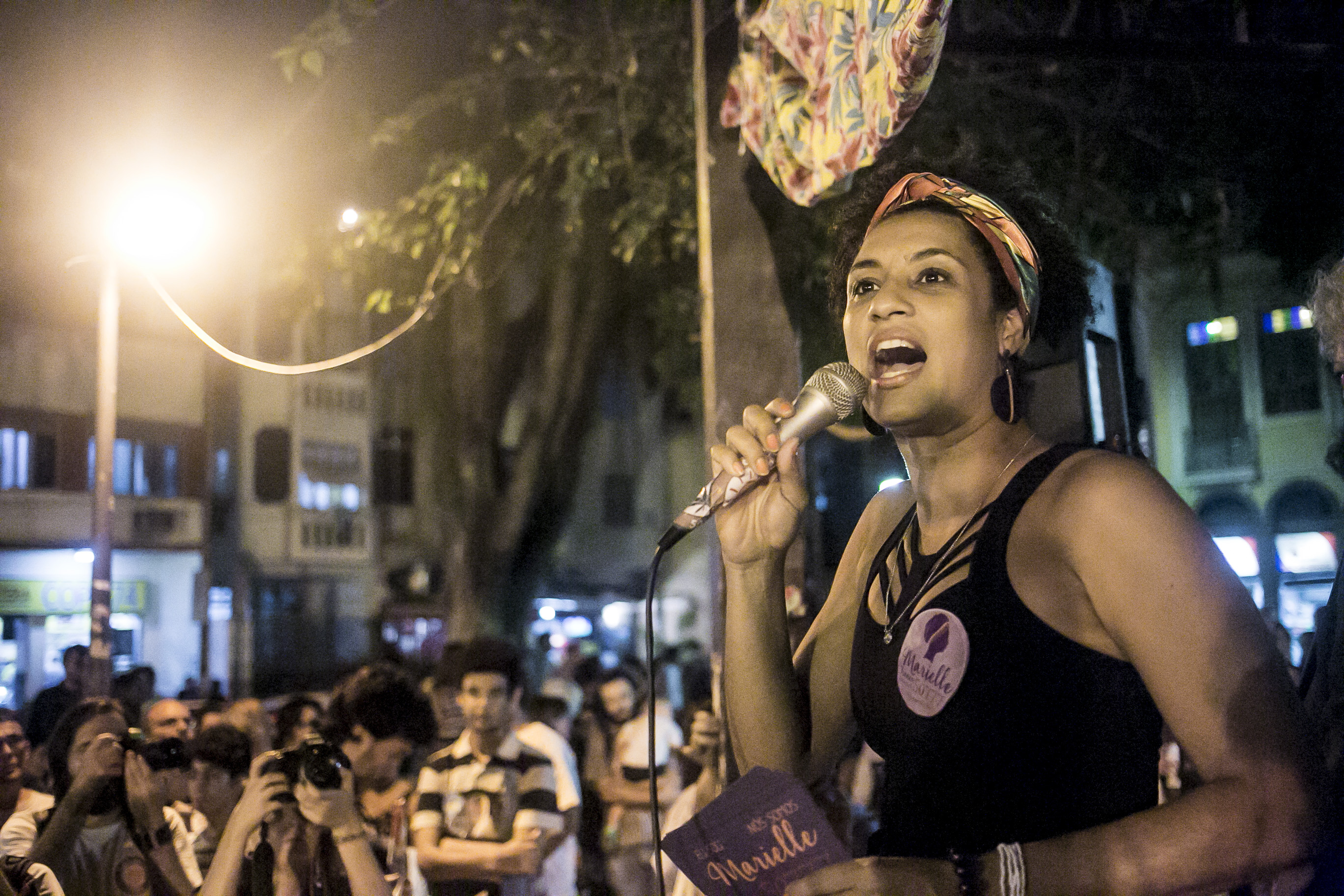
Brazilian elite have an enduring resistance to acknowledging the existence and the pernicious effects of racism in shaping the country’s contemporary social relations. These effects will have major implications on the way Brazil will continue to react toward prejudices and color-blind racism. Something that Brazilian author Luiz Trindade says is “problematic for Brazil and all Brazilians.”
This is an edited version of a speech given by Glyn Davis, distinguished professor of political science at the Crawford School of Public Policy at Australian National University, at a summit to explore issues of academic freedom and autonomy hosted by the Australian National University.

Between his chastisements of the media, Twitter rants, and dismissal of scientifically conducted studies, some may wonder what it really means to be a reporter in the age of Donald Trump. Recently, a panel of reporters came together to address this question during the annual meeting of the Association for Education in Journalism and Mass Communication.

The Royal Swedish Academy of Sciences has awarded this year’s Nobel Prize in Economic Sciences to the American economists Robert E. Hall […] Four Americans working in the social and behavioral sciences are among the 20 people named MacArthur Fellows this year. Recipients may be […] Euan Adie, the founder of Altmetric and later of Overton, discusses the reasons the led to Overton’s focus on showing researchers how […] The following is an adapted extract from The Cultural Industries, fifth edition, by David Hesmondhalgh. The increasing presence of information technology (IT) […] Developers of AI data centers have a public trust problem. According to multiple surveys, a majority of Americans say they would oppose […] I was adding some final flourishes on the topic of ‘iatrocracy’ to my forthcoming book with Natewindé Sawadogo – Sickness and Social […]
EXPLORE
Impact
Economic Peaks, Troughs and This Year’s Nobelists in Economics
READ MORE

Four From Social Science World Receive 2026 MacArthur Fellowships
READ MORE

Quick Insight: Euan Adie on Getting Academics Credit for Their Impact
READ MORE
Innovation

IT Giants and Their Operations: Should We Be Concerned?
READ MORE

What We Miss When We Study Public Trust with Surveys Alone
READ MORE

AI and ‘Iatrocracy’ – A Cautionary Tale
READ MORE












































































