



Could Distributed Peer Review Better Decide Grant Funding?
The landscape of academic grant funding is notoriously competitive and plagued by lengthy, bureaucratic processes, exacerbated by difficulties in finding willing reviewers. Distributed […]
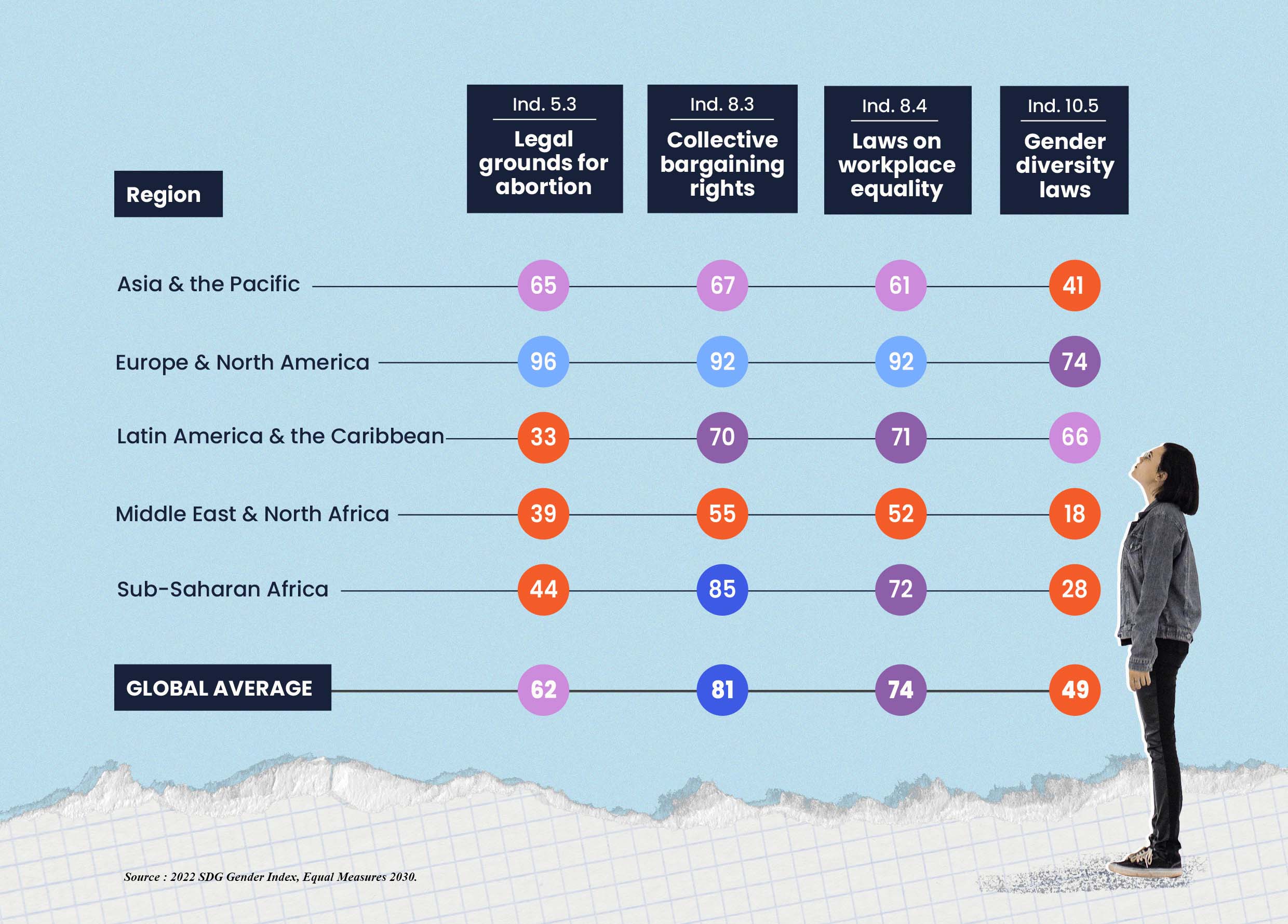
An effort to measure how well equality across genders is progressing around the world, using a tool developed around United Nations-developed goals, has detected “little progress” in the last half decade.

An open letter from World Health Organization experts urges another WHO body to use use social and behavioral science “to draft and negotiate a WHO convention, agreement or other international instrument on pandemic prevention, preparedness and response.”
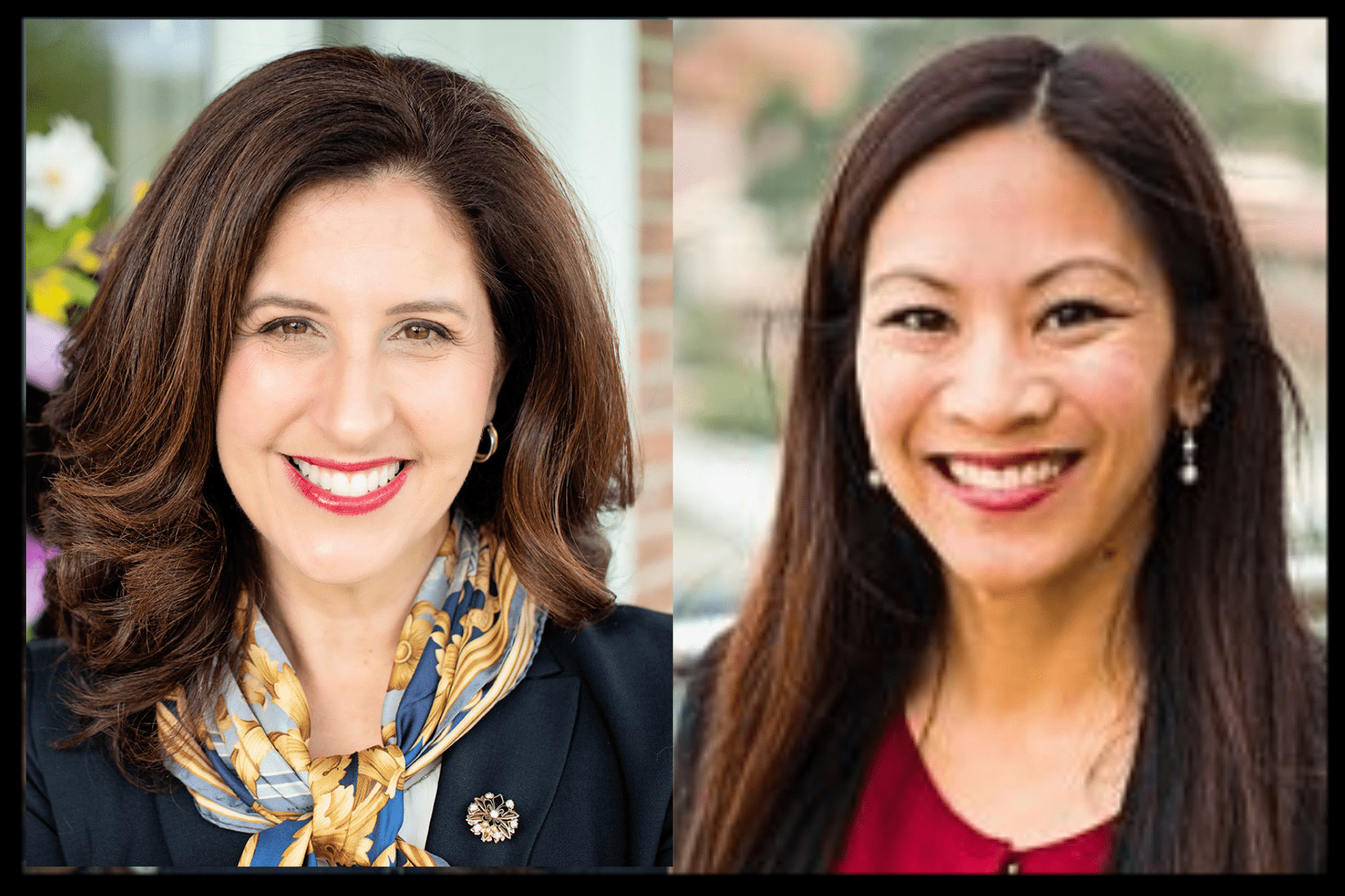
The underrepresentation of women in senior leadership positions across all sectors is clearly not a pipeline issue. Research points to bias as one reason they aren’t getting ahead.

David Canter considers the sorts of psychological processes that may be shaping Vladimir Putin’s actions.

By popular request, I am posting this as a free-access version of one of the first commentary pieces that I wrote for […]
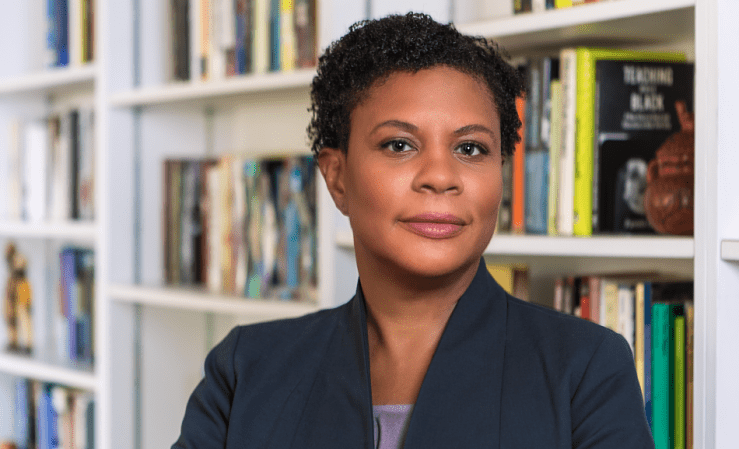
On Wednesday, President Joseph Biden handed sociologist Alondra Nelson interim leadership of the White House Office of Science and Technology Policy. Nelson currently serves as OSTP’s deputy director for science and society

We interviewed two officials at the U.S. Office of the Special Inspector General for Pandemic Recovery to talk about their thoughts on the importance of the social sciences in government oversight.
BUSINESS RESEARCH INTO PRACTICE The LSE Business Review and Business & Management INK are both committed to the exchange of knowledge […]

The Royal Swedish Academy of Sciences has awarded this year’s Nobel Prize in Economic Sciences to the American economists Robert E. Hall […] Four Americans working in the social and behavioral sciences are among the 20 people named MacArthur Fellows this year. Recipients may be […] Euan Adie, the founder of Altmetric and later of Overton, discusses the reasons the led to Overton’s focus on showing researchers how […] The following is an adapted extract from The Cultural Industries, fifth edition, by David Hesmondhalgh. The increasing presence of information technology (IT) […] Developers of AI data centers have a public trust problem. According to multiple surveys, a majority of Americans say they would oppose […] I was adding some final flourishes on the topic of ‘iatrocracy’ to my forthcoming book with Natewindé Sawadogo – Sickness and Social […]
EXPLORE
Impact

Economic Peaks, Troughs and This Year’s Nobelists in Economics
READ MORE

Four From Social Science World Receive 2026 MacArthur Fellowships
READ MORE

Quick Insight: Euan Adie on Getting Academics Credit for Their Impact
READ MORE
Innovation
IT Giants and Their Operations: Should We Be Concerned?
READ MORE

What We Miss When We Study Public Trust with Surveys Alone
READ MORE

AI and ‘Iatrocracy’ – A Cautionary Tale
READ MORE












































































