


Could Distributed Peer Review Better Decide Grant Funding?
The landscape of academic grant funding is notoriously competitive and plagued by lengthy, bureaucratic processes, exacerbated by difficulties in finding willing reviewers. Distributed […]
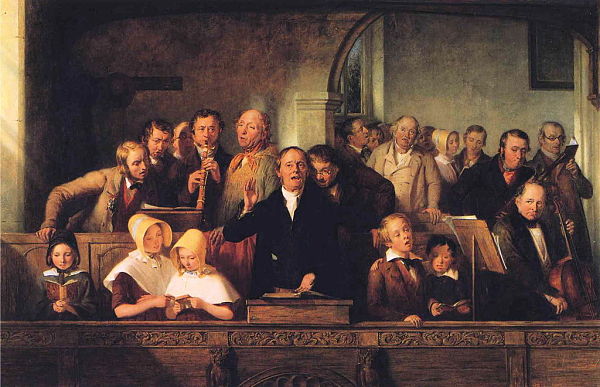
Is singing is a behavior that evolved to bond groups together? This question launched a research project that involved London’s Megachoir and the charity Workers’ Educational Association.

It is always important in reporting and media to have a story that is being represented accurately. With skewed assumptions and loaded […]

Twitter and other social media platforms represent a large and largely untapped resource for social data and evidence. In this post, Wasim Ahmed updates his recurring series on the Impact Blog, to bring you the latest developments in digital methods and methodologies for researching Twitter and other social media platforms.

In recent popular music, there have been few if any performers as enigmatic as the late Leon Redbone, who died on May 30. With a vintage repertoire featuring tunes from ragtime, blues, vaudeville, and Tin Pan Alley, and always appearing in dark glasses and a Panama hat, he looked like a figure straight out of the 1920s.
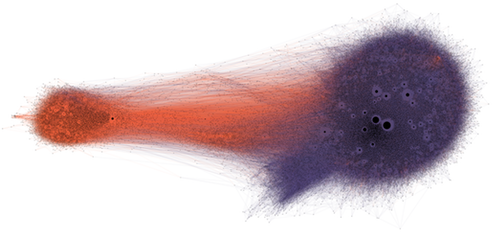
Information on social media can be misleading because of biases in three places – the brain, society and algorithms. Scholars are developing ways to identify and display the effects of these biases.
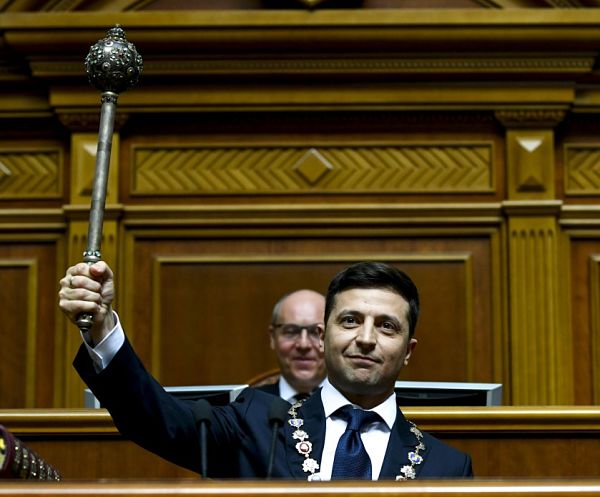
David Canter considers the impact of changing ways in which politics is communicated. In the age of the internet direct encouragement of what the audience is to feel, rather than detailed exposition of policy and achievements, is the order of the day.

Ian Ross is a development economist at the London School of Hygiene and Tropical Medicine, where his studies and work as a research degree student focuses on the financing of water, sanitation and hygiene, or WASH, services. His PhD topic, and doctoral studentship from the Economic and Social Research Council, looks at cost-effectiveness of sanitation in Maputo, Mozambique, and one aspect on this is also the subject of this co-winning essay from the ESRC Better Lives Writing Competition. The competition asked PhD students who have received money from the ESRC write short essays about how their research leads too better lives.
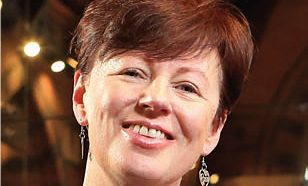
Rosie Cowan ticked numerous beats in her journalism career: politics for the Press Association, business for The Belfast Telegraph, and Ireland and later crime for the Guardian. Now a postgraduate research student in the School of Law at Queen’s University Belfast, she displays both her subject-matter expertise and writing skills in this co-winning essay from the ESRC Better Lives Writing Competition. The competition asked PhD students who have received money from the ESRC write short essays about how their research leads too better lives.
People often see science as a world apart: cool, rational and untouched by persuasion or performance. In this view, scientists simply discover […] “Research impact” means different things to different people. Some refer broadly to how science changes behaviors, beliefs, or practices outside academic institutions. […] One researcher studies how war affects children, another took a literal worm’s eye view to examine rural development, while two others scrutinized […] David Canter considers informal places where people socialize, suggesting they’re an arena ChatGPT and other LLMs can’no’t replicate. As someone who lives […] It’s become cliche since Clive Humbly coined it in 2006, but data is indeed the new oil. It’s a mantra repeated by […] In September 2025, The Guardian reported about a lawyer in Australia having faced sanctions due to false citations. These citations were not […]
EXPLORE
Impact

Scientists Should Keep in Mind It’s Called the ‘Marketplace of Ideas’ for a Reason
READ MORE

Survey Finds Social Scientists Feel Unsupported in Seeking Societal Impact
READ MORE
Canada’s SSHRC Names 2025 Impact Winners
READ MORE
Innovation

Reaching Parts to Which AI Has No Access
READ MORE

Andrea Medina-Smith on Making Research Data More FAIR
READ MORE

A Status Check on Hallucinated Case Law Incidents
READ MORE