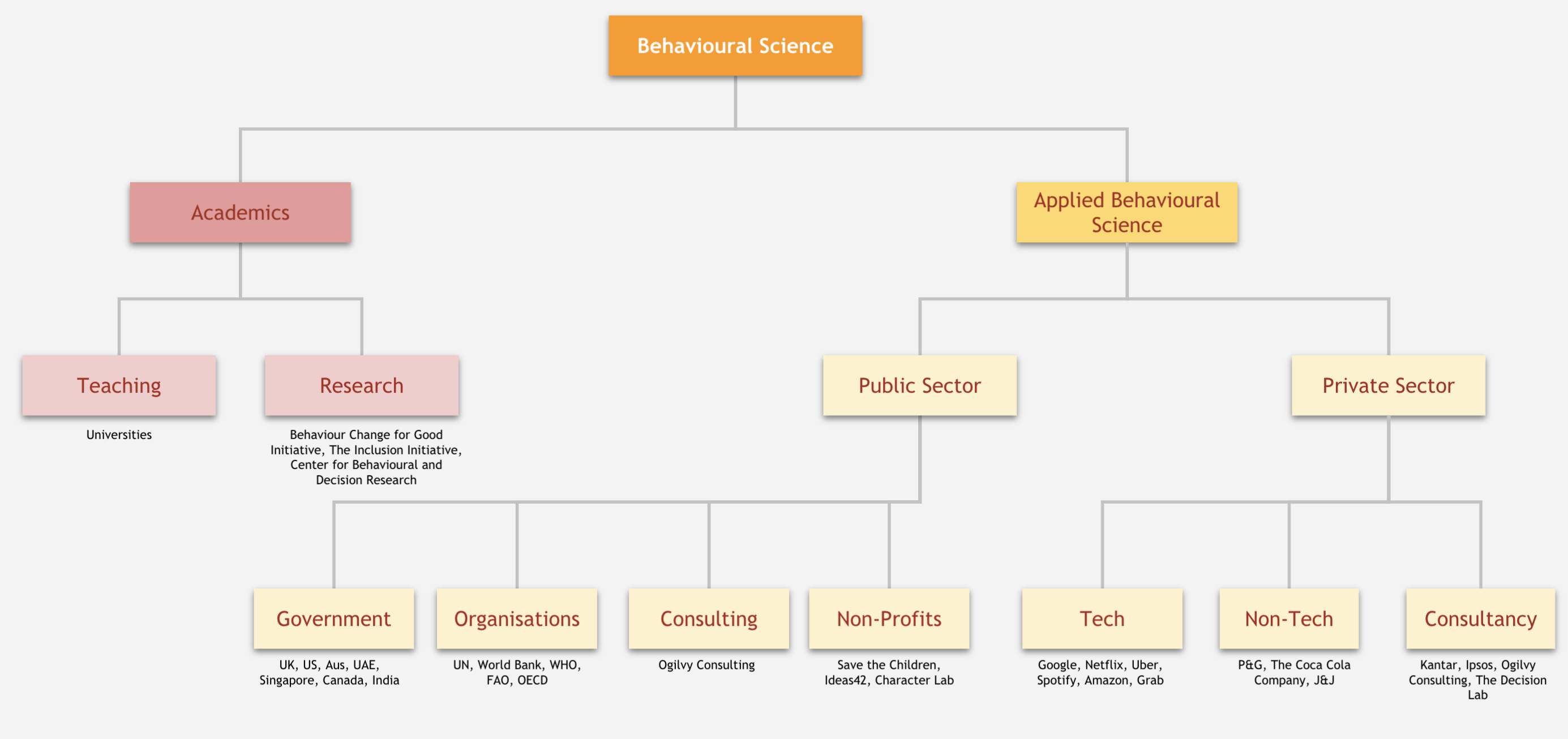

Could Distributed Peer Review Better Decide Grant Funding?
The landscape of academic grant funding is notoriously competitive and plagued by lengthy, bureaucratic processes, exacerbated by difficulties in finding willing reviewers. Distributed […]
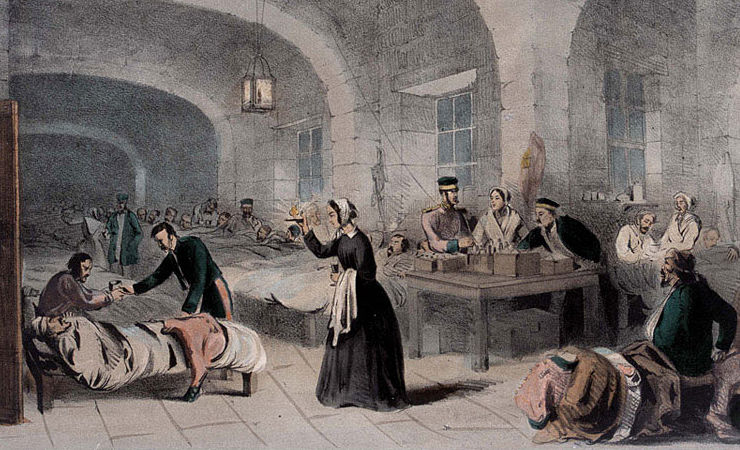
A conspicuous feature of the pandemic has been the idealization of the home as a place of safety and refuge.

Shamser Sinha draws on his experience in qualitative research as well as playwriting to reflect on how traditional social science research methods can learn from creative fields to better contextualize findings and recognize the humanity behind them.
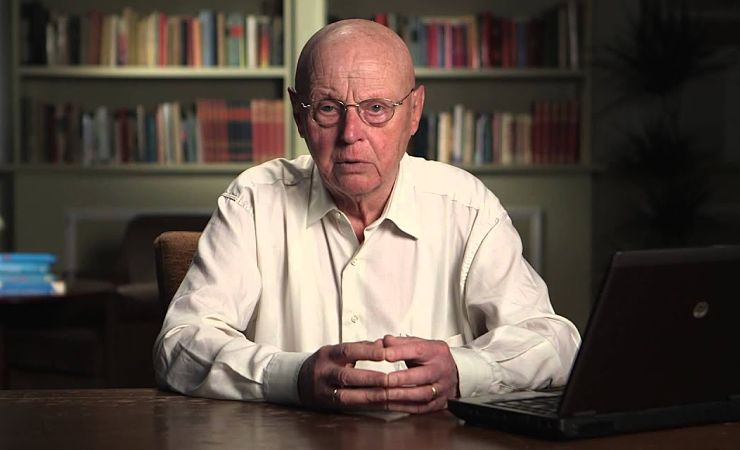
Twenty years ago the second edition of one of the more influential books in social science, Geert Hofstede’s Culture’s Consequences: Comparing Values, Behaviors, Institutions and Organizations Across Nations, appeared.

SAGE Publishing (the parent of Social Science Space) has launched a new Teaching & Learning hub with a range of free resources […]

The authors of a new book on community-led research ask how to move research ‘done to’ and ‘on people’ towards ‘for and with people.’ It features both community and academic voices and reflects on research that foregrounds non-academic priorities.
There is inequality in the United States, a fact most people accept and which data certainly bears out. But how bad do you think that inequality is, say, based on comparing the wealth held by the average Black person in America and the average white person?

In this hour-long webinar, a funder, editor, and publisher will share what they are doing to make a more inclusive research environment, challenges they face along the way, and ideas for future improvement.

A general assumption is that if a scholar studies religion, then it can only be because they have motives that are only partly scholarly. This is untrue, but the long shadow of theology unhelpfully hangs over us.
People often see science as a world apart: cool, rational and untouched by persuasion or performance. In this view, scientists simply discover […] “Research impact” means different things to different people. Some refer broadly to how science changes behaviors, beliefs, or practices outside academic institutions. […] One researcher studies how war affects children, another took a literal worm’s eye view to examine rural development, while two others scrutinized […] David Canter considers informal places where people socialize, suggesting they’re an arena ChatGPT and other LLMs can’no’t replicate. As someone who lives […] It’s become cliche since Clive Humbly coined it in 2006, but data is indeed the new oil. It’s a mantra repeated by […] In September 2025, The Guardian reported about a lawyer in Australia having faced sanctions due to false citations. These citations were not […]
EXPLORE
Impact

Scientists Should Keep in Mind It’s Called the ‘Marketplace of Ideas’ for a Reason
READ MORE

Survey Finds Social Scientists Feel Unsupported in Seeking Societal Impact
READ MORE
Canada’s SSHRC Names 2025 Impact Winners
READ MORE
Innovation

Reaching Parts to Which AI Has No Access
READ MORE

Andrea Medina-Smith on Making Research Data More FAIR
READ MORE

A Status Check on Hallucinated Case Law Incidents
READ MORE