


Could Distributed Peer Review Better Decide Grant Funding?
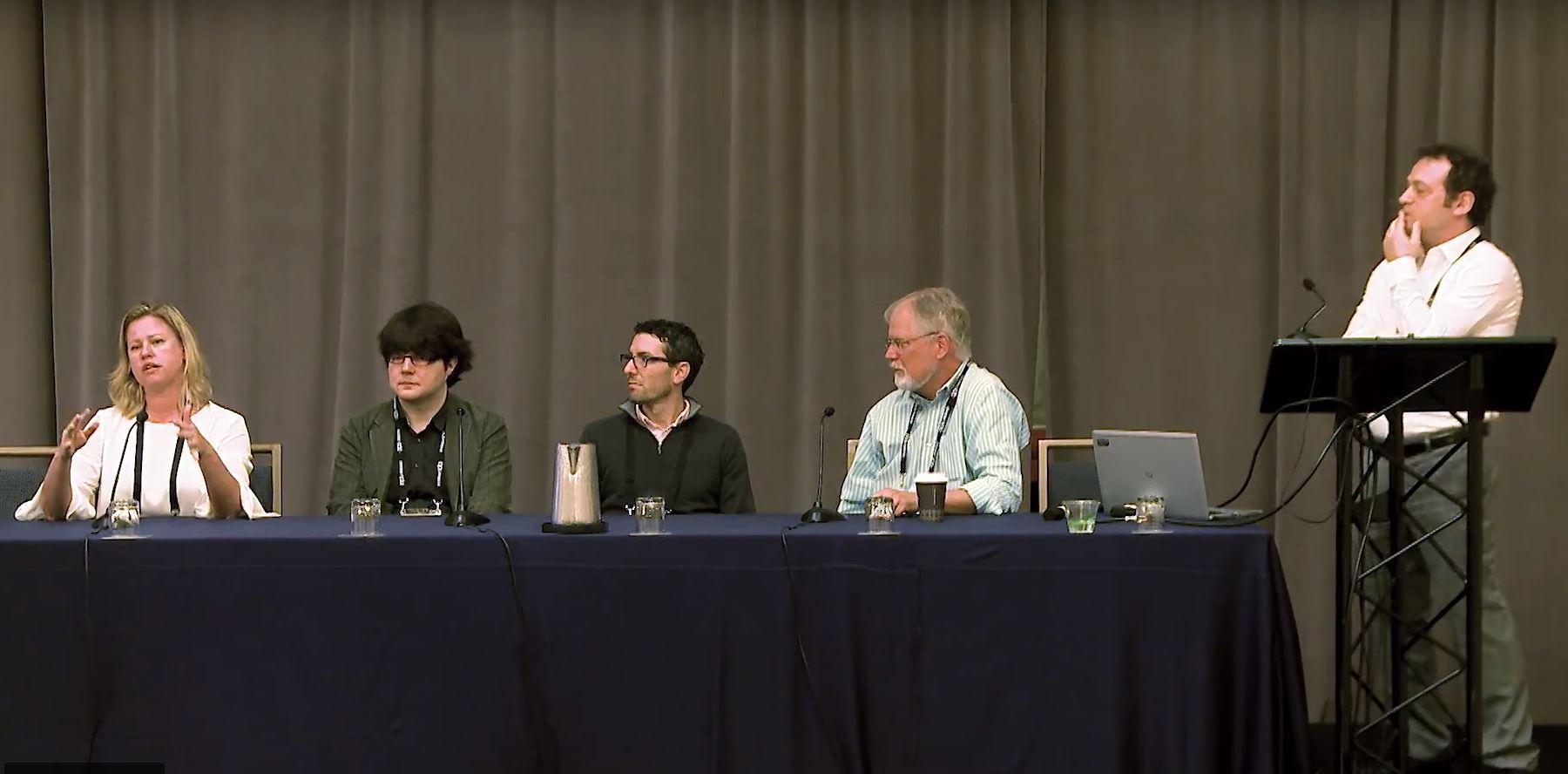
The landscape of academic grant funding is notoriously competitive and plagued by lengthy, bureaucratic processes, exacerbated by difficulties in finding willing reviewers. Distributed […]
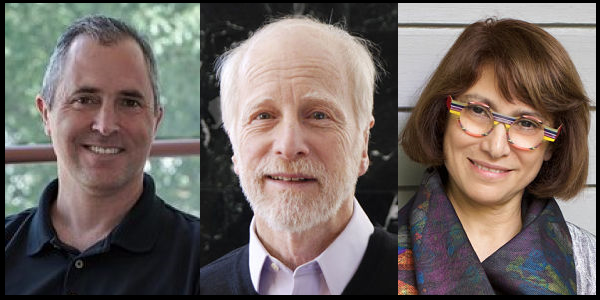
U.S. government-funded research that on its face looked only at fame, names and gender turned out to be pioneering work into implicit bias. This year a Golden Goose Award went to three researchers who developed the concept of implicit bias and then made a huge impact on popular culture by giving the world a test to measure it.
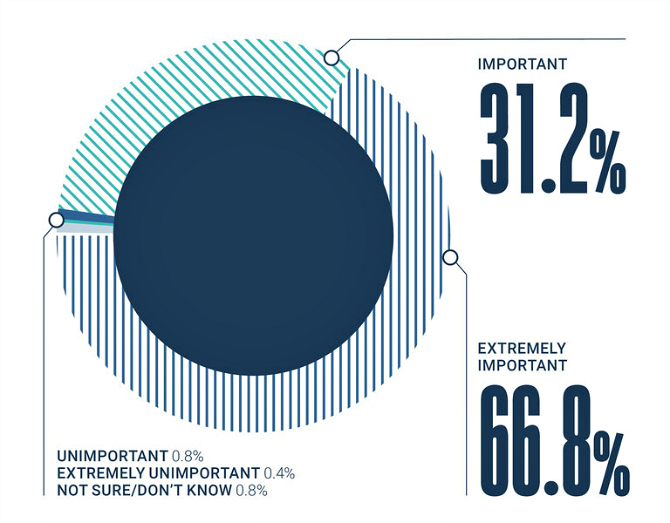
During this Peer Review Week 2018, Tom Culley shares findings from the new Publons “Global State of Peer Review” report. As demands on the peer review system increase, reviewers are actually becoming less responsive to invitations.
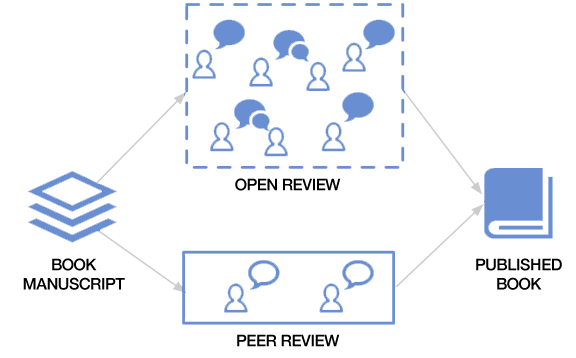
A new process developed by Princeton’s Matthew Salganik for reviewing academic manuscripts allows the world at large to examine and weigh in on a book at the same time the manuscript is undergoing peer review.

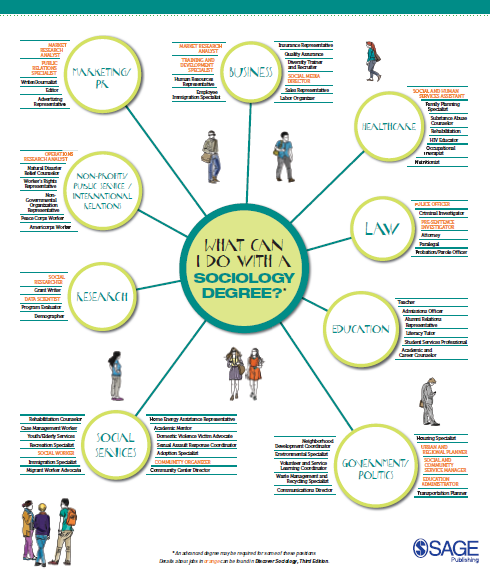
A report from RBC Royal Bank reaffirms what thought leaders keep insisting — there will be more and more demand for a liberal arts education in our increasingly digital world. “I prefer to call them “essential skills,” because we all need them every day, though we don’t always use them well. They are the foundational skills that allow us to learn and live and work productively with other people.”

Most early career researchers receive little to no training on how to peer review, and it’s not always easy to find consistent or helpful guidance. Here, during Peer Review Week, Katrina Newitt offers some helpful advice on how to get started.

Sociologist Wendy Larner, provost at Victoria University of Wellington, began her three-year term as president of New Zealand’s Royal Society Te Apārangi […]

The British Academy is honoring political journalists Zeinab Badawi and Dame Frances Cairncross among a number of individuals awarded for their services to the humanities and social sciences.
The US Senate approved a “minibus” appropriations bill that combined the FY19 Defense and Labor-Health and Human Services-Education Appropriations Acts. The Senate also cleared for the president’s signature the FY19 Defense Authorization Act, and the measure was signed into law on August 13. But the bill that includes NSF funding has gone nowhere.
People often see science as a world apart: cool, rational and untouched by persuasion or performance. In this view, scientists simply discover […] “Research impact” means different things to different people. Some refer broadly to how science changes behaviors, beliefs, or practices outside academic institutions. […] One researcher studies how war affects children, another took a literal worm’s eye view to examine rural development, while two others scrutinized […] David Canter considers informal places where people socialize, suggesting they’re an arena ChatGPT and other LLMs can’no’t replicate. As someone who lives […] It’s become cliche since Clive Humbly coined it in 2006, but data is indeed the new oil. It’s a mantra repeated by […] In September 2025, The Guardian reported about a lawyer in Australia having faced sanctions due to false citations. These citations were not […]
EXPLORE
Impact

Scientists Should Keep in Mind It’s Called the ‘Marketplace of Ideas’ for a Reason
READ MORE

Survey Finds Social Scientists Feel Unsupported in Seeking Societal Impact
READ MORE
Canada’s SSHRC Names 2025 Impact Winners
READ MORE
Innovation

Reaching Parts to Which AI Has No Access
READ MORE

Andrea Medina-Smith on Making Research Data More FAIR
READ MORE

A Status Check on Hallucinated Case Law Incidents
READ MORE